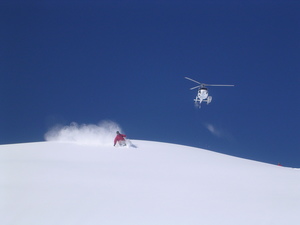
The first time someone described heli skiing to you, you probably pictured something out of a James Bond film — a helicopter setting you down on a remote peak with nothing but untouched snow stretching in every direction. That image isn't far off. If you've been wondering what is heli skiing, you're not alone — it's one of the most talked-about experiences in the skiing world and one of the least understood. At its core, heli skiing is backcountry skiing accessed by helicopter, dropping you into terrain that no lift, groomer, or trail map could ever reach. If you're already passionate about skiing in all its forms, heli skiing represents the sport pushed to its absolute limit.

The appeal is obvious. You skip the chairlifts, the crowds, and the tracked-out powder. Instead, a helicopter deposits you on remote alpine terrain — steep couloirs, wide-open bowls, dense tree runs — that most skiers will never see in a lifetime on the mountain. But along with the thrill comes real cost, real risk, and a learning curve worth understanding before you book anything.
If you're newer to off-piste skiing more broadly, it helps to first get grounded in what alpine skiing involves as a foundation. Heli skiing builds on those same fundamentals — just in a far more demanding and unforgiving environment.
Contents
What Is Heli Skiing? A Quick Origin Story
How It Began
The history of heli skiing traces back to the mountains of British Columbia, Canada, in the 1960s. Hans Gmoser, an Austrian-born mountain guide, is widely credited as the pioneer — he organized the first commercial heli skiing operation in the Canadian Rockies around 1965. According to Wikipedia's overview of heli-skiing, Gmoser founded Canadian Mountain Holidays (CMH), which remains one of the most respected operations in the world today. His core idea was straightforward: use the helicopter not as a thrill in itself, but purely as access — a way to unlock terrain that would otherwise take days of backcountry travel to reach.
How the Sport Evolved
What started as a fringe activity for mountaineers gradually grew into a niche but thriving global industry. Helicopters became more capable, safety protocols improved, and demand grew among skiers who had exhausted traditional resort terrain. Guiding organizations developed formal avalanche safety standards. Insurance frameworks caught up. Today, heli skiing operates across multiple continents — from Alaska to Norway to New Zealand — attracting a mix of hardcore powder enthusiasts and bucket-list adventurers who've simply run out of challenges at their home mountain.
Essential Gear for the Backcountry
What You'll Carry
Heli skiing is not a gear-light activity. Beyond your standard ski setup, you'll need equipment specifically suited to avalanche terrain. Every skier in a heli group is required to carry an avalanche transceiver (beacon), a probe pole, and a collapsible shovel. These three items form the core of backcountry safety, and operators will not allow you on the helicopter without them. Most operators provide rental gear if you don't own these items, but learning how to use them before you go is your responsibility — not something to figure out on the mountain.
Always test your avalanche beacon at the staging area before boarding the helicopter — a faulty transceiver in remote backcountry is not a problem you can troubleshoot mid-run.
Skis and Clothing
For the terrain you'll encounter, wider skis — often called powder or "fat" skis — perform significantly better than the narrower carving skis you might use on groomed runs. A width of 100mm or more underfoot gives you the float and stability you need in deep, untracked snow. Your clothing choices matter just as much. Remote alpine zones see rapid temperature swings, and you'll be generating serious heat on the descents then cooling fast during helicopter rides between runs. A breathable, moisture-wicking base layer under a well-insulated, waterproof shell is the standard approach most experienced heli skiers follow.
Who Should — and Shouldn't — Try Heli Skiing
The Skill Bar Is Real
One of the most persistent misconceptions about heli skiing is that anyone can do it. That's not accurate. Most operators require you to be a confident, experienced skier comfortable on black diamond terrain. You won't have the luxury of easier fallback options — the helicopter drops you in a specific zone and you ski down. There are no green runs waiting if things feel too hard. If you're still working through the fundamentals, reviewing tips for beginner skiers and building your skills at a resort first is the smarter move. Coming in over your head won't just ruin your trip — it creates real risk for your entire group.
Physical Readiness
Beyond technique, your body needs to be prepared for sustained effort in high-altitude, cold, and demanding terrain. A full heli skiing day typically involves multiple drops totaling anywhere from 10,000 to 20,000 vertical feet of skiing. Leg strength, cardiovascular fitness, and the ability to navigate variable snow conditions all factor heavily. If you can handle a full day of challenging resort skiing without significant fatigue, you're probably in the right ballpark. If you're uncertain, honestly assess your fitness and consider a fitness-focused training block in the months before your trip.
Top Heli Skiing Destinations Around the World
Where the Best Terrain Is
Some regions have built a global reputation for heli skiing that the numbers support. The combination of terrain variety, snowpack quality, and operational infrastructure sets a handful of places clearly apart. Here's a practical snapshot of the leading destinations:
| Destination | Country/Region | Typical Season | Annual Snowfall | Difficulty Level |
|---|---|---|---|---|
| Cariboo & Monashee Ranges | British Columbia, Canada | December – March | 400–500+ inches | Intermediate to Expert |
| Valdez & Chugach Mountains | Alaska, USA | February – April | 500–600+ inches | Expert Only |
| Revelstoke | British Columbia, Canada | December – March | 400–450 inches | Advanced to Expert |
| Queenstown / Southern Alps | New Zealand | June – October | Variable by zone | Intermediate to Advanced |
| Lofoten & Lyngen Alps | Norway | February – April | Variable | Advanced to Expert |
What to Expect When You Arrive
Each destination has its own character. Alaskan terrain tends toward the extreme — steeper pitches, longer descents, more consequential exposure. British Columbia's interior ranges offer deep, consistent powder that many experienced heli skiers consider the gold standard for the sport. New Zealand provides a rare summer option for Northern Hemisphere skiers chasing year-round powder access. Wherever you go, arriving well-rested and with calibrated expectations will shape your experience more than any gear choice or preparation drill you can do beforehand. For a broader sense of the world's outstanding ski terrain, it's worth browsing the top 15 alpine ski destinations worldwide to understand how heli skiing zones compare to resort skiing globally.
British Columbia's interior ranges receive some of the deepest, driest powder snow on the planet — many heli skiing veterans consider the Monashees the single best place in the world to experience what deep powder skiing truly feels like.
What Can Go Wrong — and How to Handle It
Weather and Flight Cancellations
The single most common disruption in heli skiing is weather. Helicopters can't fly safely in high winds, whiteout conditions, or heavy precipitation. Most operators build buffer days into their packages specifically to account for this — a three-day package might come with a four- or five-day booking window. If you're flying in from a long distance, this means your travel plans need built-in flexibility. Booking a multi-day package rather than a single-session experience is the standard approach for this reason. Going in expecting perfect weather every day is the fastest route to disappointment.
Avalanche Risk and Your Guide
Avalanche risk is real in heli skiing terrain, and it demands genuine respect. Reputable operators employ certified mountain guides who assess snowpack conditions daily and make conservative terrain decisions. Your job is to follow your guide's instructions without question — they've spent years reading slope angles, aspect, and snow stability signals that aren't visible to the untrained eye. This is not the context for solo decisions, creative line choices, or overconfidence. The terrain is remote, rescue response time is measured in hours, and the margin for error is smaller than anything you've encountered at a resort.
Myths About Heli Skiing, Cleared Up
Only for Professionals
This is the most persistent myth in the sport. While expert-level skiing ability is required, you don't need to be a professional athlete or competitive racer. Thousands of recreational skiers take heli skiing trips every season — people with day jobs, families, and regular ski vacations who simply progressed their skills over time. What matters is your comfort and control on steep, ungroomed terrain. Not your race history, not your social media presence, not your gear budget.
Environmentally Reckless
The environmental debate around heli skiing is real, but more nuanced than critics sometimes suggest. Many operators limit group sizes, follow strict terrain protocols, and actively avoid ecologically sensitive zones. Some have adopted carbon offset programs and work directly with conservation organizations. It's worth researching a specific operator's environmental policies before booking, especially if sustainability is a priority for you. The conversation is ongoing, and reasonable people hold genuinely different views on how to weigh access against impact.
Too Expensive for Anyone
Heli skiing is not cheap — a multi-day package can range from around $1,500 to well over $10,000 depending on location, duration, and operator. But framing it as financially out of reach for everyone overstates the case. Group packages, off-peak booking windows, and splitting costs with a group of friends can bring the per-person price down considerably. Many people who make it happen do so by treating it as a once-in-several-years experience rather than an annual habit. It's a question of priorities, not necessarily income bracket.
How to Get the Most from Your Run
Preparation Is Everything
Book your trip through an operator with certified mountain guides and a documented safety record. Read every piece of pre-trip material they send you — most of it exists because past clients showed up unprepared. Practice your avalanche beacon search drills at home before you go. Most guides run a quick beacon drill on day one, but arriving already familiar with the process means you learn faster and contribute to group efficiency rather than slow it down. Physical conditioning in the weeks before your trip pays off more than any last-minute gear upgrade.
- Research your operator's guide certification and safety record before booking
- Practice beacon search drills at home — not just reading about them
- Build leg endurance specifically: high-rep squats and lunges outperform distance running for ski prep
On-Mountain Mindset
Stay close to your guide. Ski within your ability on the first few runs, even if you feel confident. The terrain will push you harder than any resort run you've encountered, and conserving energy and confidence early in the day pays dividends on the final descent. Keep your beacon in transmit mode the entire time you're in the field. Ask questions freely — your guide is there to help you understand the mountain, not just navigate it. The skiers who get the most out of heli skiing days are almost always the ones who arrived humble, stayed curious, and skied smart rather than just skiing fast.
Heli skiing doesn't reward recklessness — it rewards the skier who spent years building the skill, fitness, and judgment to actually be present in the moment when the helicopter door opens.
 |
 |
 |
 |

About Frank V. Persall
Frank Persall is a lifelong skier originally from the United Kingdom who has spent years pursuing the sport across premier resorts in Europe, North America, and beyond. His passion for skiing has taken him from the Alps to the Rocky Mountains, giving him a broad perspective on resort terrain, snow conditions, gear performance across price points, and the practical realities of ski travel with a family. At SnowGaper, he covers ski resort guides, gear reviews, and skiing technique and travel resources for enthusiasts of every level.
You can get FREE Gifts. Or latest free skiing books here.
Disable Ad block to reveal all the info. Once done, hit a button below
|
|
|
|