You're standing in a ski shop, staring at a wall of bindings, and the sales rep just rattled off a dozen acronyms you've never heard before. DIN values, GripWalk compatibility, elastic travel — it's a lot. Getting your bindings wrong isn't just an inconvenience; it's a safety issue. The right binding holds you in when it should and releases when it needs to. The wrong one does neither reliably.
Ski bindings are arguably the most critical piece of gear connecting you to your skis. They affect energy transfer, injury prevention, and how your skis actually feel underfoot. Whether you're carving groomers, charging powder, or mixing resort laps with a little backcountry touring, there's a binding built specifically for your style. This guide cuts through the noise with honest reviews of seven top-performing bindings for 2026, plus a buying guide and FAQ to help you make a confident call.
We tested and researched bindings across price points and disciplines — from versatile all-mountain options to high-DIN freeride monsters — so you can browse the ski gear reviews category and come back to this list knowing exactly what to look for. Let's get into it.

Contents
- Top Rated Picks of 2026
- In-Depth Reviews
- Marker Griffon 13 ID — Best for Versatile Freeride
- Look Pivot 14 GW — Best for Expert Aggressive Skiing
- Tyrolia Attack 14 GripWalk — Best for All-Mountain DIN 14
- Look SPX 11 GW — Best for Intermediate to Advanced Skiers
- Marker Kingpin 13 — Best for Backcountry & Touring
- Look Pivot 12 GW — Best for Technical & Freestyle Riding
- Marker Jester 18 PRO ID — Best for Pro-Level Freeride
- Key Features to Consider When Choosing
- Frequently Asked Questions
Top Rated Picks of 2026
- #PreviewProductRating
- Bestseller No. 1
 Rating:

- Bestseller No. 2
 Rating:
 - Bestseller No. 3
 Rating:
 - Bestseller No. 4
 Rating:
 - Bestseller No. 5
 Rating:
 - Bestseller No. 6
 Rating:
 - Bestseller No. 7
 Rating:
In-Depth Reviews
1. Marker Griffon 13 ID Ski Bindings — Best for Versatile Freeride
The Marker Griffon 13 ID is often described as the Jester's lighter sibling — and that's a pretty accurate shorthand. It shares the same core DNA as the Jester but sheds some weight to make it a better fit for lighter, younger, or more agile riders. If you're an advanced to expert skier who wants a freeride binding that can handle pretty much everything the mountain throws at you, the Griffon 13 ID deserves serious consideration.
The headline update is the new Triple Pivot Elite toe and Inter Pivot 3 freeride heel. Both components are lighter and stiffer than their predecessors, which translates directly to improved edge grip and power transfer. You'll feel the difference most on hardpack, where the extra stiffness delivers precise, locked-in control. The 100mm brake width suits mid-fat all-mountain skis well, though wider powder shapes may need a different brake.
At DIN 13, this binding suits a wide range of skier weights and abilities without being overkill. It's well-suited for aggressive all-mountain skiing and lighter freeride use. If you're the kind of skier who charges hard on groomers in the morning and finds the occasional powder stash in the afternoon, this is a binding that won't limit you.
Pros:
- Lighter than the Jester while retaining the same core technology
- Triple Pivot Elite toe offers excellent multi-directional release
- Stiffer construction improves edge control and power transfer
- Versatile DIN range suits a broad range of skier profiles
- Proven Inter Pivot 3 heel with reliable step-in performance
Cons:
- Not the right pick for very heavy or aggressive expert skiers who need DIN 16+
- 100mm brake limits compatibility with very wide freeride boards
2. Look Pivot 14 GW Mens Ski Bindings Forza 3.0 — Best for Expert Aggressive Skiing
The Look Pivot line has a cult following — and for good reason. The Pivot 14 GW is a step down from the flagship 18 but still delivers the binding's signature wide-track stance and massive elastic travel that has made it a favorite among skiers who prioritize safety and energy return. The 115mm brake width makes it well-suited to wider all-mountain and freeride skis.
The Turntable Heel is the standout feature here. Unlike a traditional pivot heel, Look's design allows the heel to rotate a full 180 degrees, which dramatically improves multi-directional release characteristics. For skiers who take hard falls in awkward directions — think moguls, terrain park edges, or off-piste tumbles — this kind of release geometry can make a real difference in injury prevention. According to Wikipedia's overview of ski binding safety, multi-directional release is one of the most important advances in modern binding design.
The aluminum race toe piece adds a premium, performance-oriented feel. It's rigid and precise, giving you the kind of locked-in sensation that confident, aggressive skiers crave. GripWalk compatibility is a welcome practical addition, letting you use soles that are far easier to walk in at the lodge or on flat approaches.
Pros:
- Turntable Heel delivers outstanding 180-degree multi-directional release
- Aluminum race toe is stiff and precise for high-performance skiing
- GripWalk compatible — great for newer boot sole standards
- 115mm brake width accommodates wider ski shapes
- Long-standing reputation for reliability among advanced skiers
Cons:
- Heavier than some competitors at this price range
- Step-in experience can feel stiff compared to more user-friendly designs
3. Tyrolia Attack 14 GripWalk Alpine Ski Bindings — Best for All-Mountain DIN 14
Tyrolia doesn't always get the same spotlight as Marker or Look, but the Attack 14 GripWalk is a genuinely impressive all-mountain binding that punches well above its price point. With a DIN range of 4–14 and a 17mm stand height, this is a binding that bridges the gap between everyday resort use and more aggressive terrain without asking you to pay flagship prices.
The GripWalk compatibility is a key practical feature in 2026, as an increasing number of boot manufacturers are shipping GripWalk soles as standard. Being able to use those soles without an adapter or a new binding purchase is a real advantage. The 17mm stand height is moderate — high enough to give you some boot clearance on wider skis, but not so high that it feels disconnected from the snow.
At DIN 14, the Attack sits in a sweet spot for advanced skiers who push hard but aren't at the freeride extreme. The binding feels planted and confident at speed, with a toe design that releases predictably during forward falls and sideways twists. It's not the flashiest option on this list, but if you want a no-nonsense, high-performing binding that will last multiple seasons, the Tyrolia Attack 14 is worth your attention.
Pros:
- GripWalk compatible out of the box — no adapter needed
- DIN 4–14 covers a wide range of skier weights and abilities
- 17mm stand height works well with mid-fat ski profiles
- Solid build quality at a competitive price
- Reliable release characteristics for all-mountain skiing
Cons:
- Less visibility/brand cachet than Marker or Look among hardcore enthusiasts
- Not ideal for riders needing DIN values above 14
4. Look SPX 11 GW Ski Binding — Best for Intermediate to Advanced Skiers
Not everyone needs a DIN 14 or higher binding. If you're an intermediate progressing toward advanced terrain, or a lighter expert skier, the Look SPX 11 GW hits exactly the right balance between safety, performance, and value. It brings Look's reputable binding technology down to a more accessible tier without compromising on what matters most.
The Rolling Control system on the toe is designed to minimize unwanted pre-releases, which is one of the most frustrating things that can happen to a skier mid-run. It essentially manages the load on the toe during dynamic skiing conditions, helping the binding distinguish between a true fall release scenario and an aggressive but intentional maneuver. You get cleaner, more trustworthy retention without sacrificing safety.
GripWalk compatibility is here too, which is increasingly a must-have feature in any binding you buy in 2026. The multi-directional release adds confidence for less experienced skiers who may fall in unpredictable ways. It's a well-rounded, thoughtfully designed binding at a price that doesn't require you to sell a kidney. Great for recreational skiers who ski a handful of times per season and want quality gear that won't let them down.
Pros:
- Rolling Control toe reduces unwanted pre-releases during dynamic skiing
- Multi-directional release improves safety across fall scenarios
- GripWalk compatible for modern boot soles
- Great value for intermediate to advancing skiers
- Look's proven quality at an accessible price point
Cons:
- DIN 11 cap limits suitability for heavier or very aggressive advanced skiers
- Not the right tool for serious freeride or backcountry applications
5. Marker Kingpin 13 Ski Binding 2023 — Best for Backcountry & Touring
If your skiing ambitions extend beyond the resort boundary, the Marker Kingpin 13 deserves a close look. It's a tech/alpine hybrid binding — meaning it uses pin-style toe clips for touring mode (lighter, more flexible walk mode) but features a robust Marker heel that delivers alpine-like performance on the descent. It's the binding that tries to give you the best of both worlds, and it largely succeeds.
The wide sole contact points on the KingPin heel are a genuine differentiator from traditional pin-tech setups. Most pin-style heels grip the boot at two small points, which can feel a bit vague underfoot during aggressive descents. The KingPin's wider contact geometry transfers power more like a traditional alpine binding, giving you confidence on steep, technical terrain after a long skin track. If you want to read more about getting started in this discipline, check out this guide on ski touring for beginners before committing to a setup.
The moveable AFD (anti-friction device) is standard across all Marker bindings and contributes to highly precise release performance even when contaminated with snow, ice, or dirt. Safety in the backcountry isn't optional — the Kingpin's release reliability is a big selling point for skiers who spend time far from a ski patrol hut. The 100–125mm adjustable brake width also means you can pair it with a range of ski widths without swapping brakes.
Pros:
- Tech/alpine hybrid design for touring up and charging down
- Wide sole heel contact points deliver alpine-binding power transfer
- Moveable AFD ensures reliable release in dirty conditions
- Adjustable 100–125mm brake width covers a broad ski range
- Significantly safer heel release than traditional pin-tech bindings
Cons:
- Heavier than pure tech bindings — not ideal for ultra-light or race-style touring
- Higher price point than dedicated alpine resort bindings
- Requires tech-compatible boot toe boxes
6. Look Pivot 12 GW Ski Bindings — Best for Technical & Freestyle Riding
The Look Pivot 12 GW is the entry point to Look's legendary Pivot line, and it still carries the hallmark features that have made the series a long-running favorite in the park and all-mountain communities. DIN 12 may not sound as impressive as a 14 or 18, but for a wide range of recreational expert and technical skiers, it's more than enough — and the binding earns its place in the lineup.
The 28mm of elastic travel in the heel is exceptional for this price tier. More elastic travel means the binding absorbs vibration and impact before transferring it to the release mechanism, which dramatically reduces pre-releases during aggressive or bumpy skiing. If you've ever had a binding pop off unexpectedly mid-turn on icy terrain, you'll understand why this number matters. The Turntable Heel carries over from the Pivot 14, giving you that same reliable multi-directional release in a slightly more accessible package.
The ultra-short mounting zone is a practical feature that makes the Pivot 12 compatible with more ski platforms, including those with partial or narrow mounting areas near the binding. It's a detail that matters most when you're pairing bindings with touring-influenced or rockered skis. Also pairs well with your kit if you're investing in quality ski tuning equipment to keep your setup dialed all season long.
Pros:
- 28mm elastic travel minimizes pre-release on rough terrain
- Turntable Heel for reliable 180-degree multi-directional release
- Ultra-short mounting zone works with a wider range of ski designs
- GripWalk compatible for modern boot compatibility
- Trusted Pivot lineage with decades of proven performance
Cons:
- DIN 12 max may not suit heavier expert skiers
- Not the lightest option if weight savings are a priority
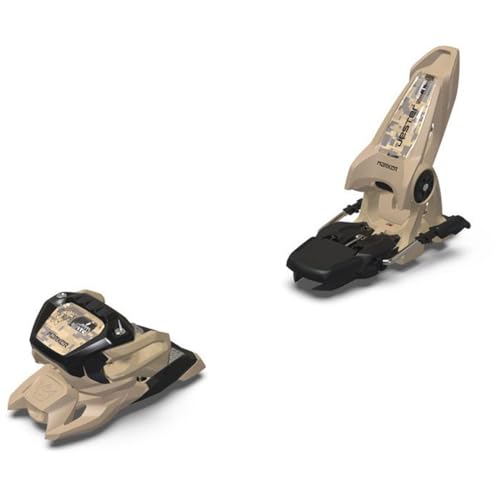
7. Marker Jester 18 PRO ID — Best for Pro-Level Freeride
If you want the most powerful, most bombproof alpine freeride binding Marker makes, this is it. The Jester 18 PRO ID is built for the kind of skier who drops serious cliffs, charges spines, and needs absolute certainty that their binding will hold — until it absolutely needs to release. It's not for everyone, but if you're in the target audience, nothing on this list comes close.
The Triple Pivot Elite 3 Toe with DIN/ISO up to 18 is the core of what makes this binding special. The horizontally inserted spring combined with a 5-degree inclined sole plate gives the toe impressive energy absorption before release — which means you can ski aggressively without the binding misreading those forces as a fall. The large supporting surface optimizes power transmission, so even in the most intense freeride scenarios, you're getting direct, lossless energy transfer from boot to ski.
The Inter Pivot 3 heel is the newest generation of Look's proven pivot design, featuring a magnesium heel bracket for a combination of light weight and structural strength that's genuinely hard to match. Step-in performance has been improved over previous generations — a small detail, but appreciated when you're fumbling with gear on a cold morning. This binding is genuinely in a class of its own for expert freeride and big-mountain skiing in 2026. If you ski the kind of terrain described in guides to the top ski mountaineering destinations in the world, the Jester 18 PRO ID is the kind of binding that belongs under your feet.
Pros:
- DIN/ISO up to 18 — highest retention for the most aggressive skiers
- Triple Pivot Elite 3 toe absorbs massive forces before releasing
- Magnesium Inter Pivot 3 heel combines strength with reduced weight
- 5-degree inclined sole plate reduces risk of pre-release under load
- Improved step-in over previous Jester generations
Cons:
- Overkill for most resort and recreational skiers — unnecessarily expensive for casual use
- Weight is higher than more recreational-focused options
- High DIN range requires professional setup and correct boot sole certification
Key Features to Consider When Choosing Ski Bindings
DIN Range: Match Your Binding to Your Skier Profile
DIN (Deutsches Institut für Normung) is the release force value your binding is set to. It's calculated based on your weight, height, boot sole length, age, and skiing ability. Getting your DIN value wrong is a safety issue — set too low and you'll pre-release in aggressive situations; too high and the binding won't release when you fall.
- DIN 3–8: Beginners, children, lighter recreational skiers
- DIN 6–12: Intermediate to advanced skiers, most recreational adults
- DIN 10–14: Advanced to expert skiers, aggressive all-mountain use
- DIN 14–18: Expert freeride, big-mountain, and professional-level skiers
Always have a certified ski technician set your DIN values. Don't just pick a number that sounds impressive.
GripWalk Compatibility: Why It Matters in 2026
GripWalk is a boot sole standard that features a rounded heel, making it much easier to walk naturally in ski boots — especially useful in parking lots, lodges, and long flat approaches. More and more boot manufacturers are defaulting to GripWalk soles in 2026, which means if your binding isn't compatible, you'll either need an adapter or a new binding entirely.
- GripWalk-compatible bindings are listed in this guide: Look SPX 11, Tyrolia Attack 14, Look Pivot 12, and Look Pivot 14
- Standard alpine soles (ISO 5355) still work fine in GripWalk-compatible bindings
- If you're buying new boots today, GripWalk compatibility in your binding is worth prioritizing
Elastic Travel: Retention vs. Release
Elastic travel refers to how far a binding component can flex before triggering a release. More elastic travel absorbs the micro-vibrations and impact forces of aggressive skiing — bumps, chopped-up snow, hard landings — without mistaking them for a fall. This is especially important if you ski technical terrain or take your skis off-piste.
- Higher elastic travel = fewer frustrating pre-releases on demanding terrain
- Look Pivot bindings are well known for industry-leading elastic travel figures
- Budget bindings often sacrifice elastic travel, which shows up as pre-releases at the worst moments
If you've ever lost a ski on a bumpy traverse and couldn't figure out why, limited elastic travel is often the culprit.
Touring vs. Alpine: Know Before You Buy
Standard alpine bindings are optimized for downhill performance — they hold you in tight and transfer power efficiently. Touring bindings sacrifice some of that on-piste precision to let you hike uphill with your heel free. Hybrid bindings like the Marker Kingpin 13 try to split the difference.
- Resort-only skiing: Stick with a dedicated alpine binding (Pivot, Attack, Griffon, Jester)
- Mixed resort/touring: A hybrid tech binding like the Kingpin is the smart choice
- Serious backcountry: Consider a dedicated lightweight tech binding for long approaches
Your boot choice will also constrain your options here — not all boots are compatible with tech toe pins. Make sure your boot and binding system are matched before purchasing either.
Frequently Asked Questions
How do I know what DIN setting to use for my ski bindings?
Your DIN setting is calculated from a combination of your weight, height, boot sole length, age group, and skiing ability level. Most ski shops have a standardized DIN chart they use during binding mounting. Never set your own DIN without using the proper chart and ideally having a certified technician confirm the value. Incorrect DIN settings are one of the leading causes of both preventable ski injuries and frustrating pre-releases.
What is GripWalk and do I need it?
GripWalk is a boot sole standard featuring a rounded heel profile that makes it far easier to walk naturally in ski boots. If you own or plan to buy boots with GripWalk soles, you need a GripWalk-compatible binding to use them properly. Standard alpine bindings are designed for flat ISO 5355 soles and won't work correctly with the rounded GripWalk profile. In 2026, GripWalk compatibility is increasingly common and worth prioritizing when choosing a new binding.
Can I mount bindings myself, or do I need a professional?
Binding mounting requires precise drilling into your ski, correct positioning relative to your boot sole length, and proper torque on the screws. Getting it wrong can damage your ski, void your warranty, and result in a binding that doesn't release correctly in a fall. While experienced DIYers with the right tools do mount their own bindings, the strong recommendation is to have a certified ski technician handle mounting and DIN adjustment. The cost is usually low, and the peace of mind is worth every dollar.
What's the difference between the Look Pivot 12 and Pivot 14?
The Look Pivot 14 steps up to a higher DIN range and features an aluminum race toe piece for a stiffer, more performance-oriented feel suited to heavier or more aggressive expert skiers. The Pivot 12 uses a composite toe and tops out at DIN 12, making it lighter and more appropriate for a broader range of advanced recreational skiers. Both share the Turntable Heel and similar elastic travel characteristics. For most advanced skiers who aren't at the extreme end of the performance spectrum, the Pivot 12 is the better value.
Is the Marker Kingpin 13 good for resort skiing as well as touring?
Yes — that's the core selling point of the Kingpin design. On the descent, the wide sole heel contact points and rigid alpine-style heel deliver performance that feels much closer to a traditional resort binding than most tech-style touring bindings. On the climb, the free-heel pin-style toe allows normal touring stride mechanics. The trade-off is that it's heavier than a dedicated touring binding and slightly less precise than a dedicated alpine binding, but for skiers who genuinely do both, it's an excellent compromise.
How often should I replace my ski bindings?
Most manufacturers and ski shops recommend having bindings inspected annually and considering replacement after 8–10 years or when parts become difficult to source. Springs and plastics degrade over time, and a binding that's been through heavy use over many seasons may not release as reliably as it once did. If a technician during your annual tune finds that a binding isn't holding its DIN setting correctly or shows visible wear in the toe or heel components, take their recommendation to replace seriously — it's not an upsell, it's a safety call.
Buy on Walmart
- Marker Griffon 13 ID Ski Bindings 2020 - Black 100mm — Walmart Link
- Look Pivot 14 GW Mens Ski Bindings Forza 3.0 115mm — Walmart Link
- Tyrolia Attack 14 GripWalk Alpine Ski Bindings (Solid Black, — Walmart Link
- Look SPX 11 GW 90 Ski Binding, Black — Walmart Link
- Marker Kingpin 13 Ski Binding 2023 - Black/Red 100-125mm — Walmart Link
- Look Pivot 12 GW Ski Bindings — Walmart Link
- Marker Jester 18 PRO ID — Walmart Link
Buy on eBay
- Marker Griffon 13 ID Ski Bindings 2020 - Black 100mm — eBay Link
- Look Pivot 14 GW Mens Ski Bindings Forza 3.0 115mm — eBay Link
- Tyrolia Attack 14 GripWalk Alpine Ski Bindings (Solid Black, — eBay Link
- Look SPX 11 GW 90 Ski Binding, Black — eBay Link
- Marker Kingpin 13 Ski Binding 2023 - Black/Red 100-125mm — eBay Link
- Look Pivot 12 GW Ski Bindings — eBay Link
- Marker Jester 18 PRO ID — eBay Link
The best ski binding is the one matched precisely to your skiing style, your boot, and your ability — not the one with the highest DIN number or the most recognizable name on the heel.
 |
 |
 |
 |

About Frank V. Persall
Frank Persall is a lifelong skier originally from the United Kingdom who has spent years pursuing the sport across premier resorts in Europe, North America, and beyond. His passion for skiing has taken him from the Alps to the Rocky Mountains, giving him a broad perspective on resort terrain, snow conditions, gear performance across price points, and the practical realities of ski travel with a family. At SnowGaper, he covers ski resort guides, gear reviews, and skiing technique and travel resources for enthusiasts of every level.
You can get FREE Gifts. Or latest free skiing books here.
Disable Ad block to reveal all the info. Once done, hit a button below
|
|
|
|