You've just pulled your sled out of storage, the season is firing up, and you realize your stock skis are worn, tracking poorly, or simply not matched to the terrain you ride. Picking the right snowmobile skis in 2026 is more consequential than most riders admit — the wrong choice will have you washing out on hardpack or drowning in bottomless powder before you've even warmed up the engine. Whether you're a trail cruiser logging hundreds of miles on groomed corridors or a mountain rider pushing deep sidehills, the ski under your front end determines how confidently your machine turns, tracks, and handles at speed.
Snowmobile ski technology has moved quickly over the last few years, with manufacturers dialing in keel geometry, ski width, and carbide skag profiles to suit increasingly specialized riding styles. The ski you bolt on affects steering effort, darting behavior on ice, and float in soft snow — three factors that define how exhausting or effortless a full day on the trail actually feels. The products in this guide span the full spectrum from hardcore crossover performance to OEM replacement quality, so you'll find a match regardless of your machine or your riding season. For a broader look at gear for your sled, browse the full ski gear reviews section.
According to the Wikipedia entry on snowmobiles, modern snowmobile design has evolved dramatically since the 1960s, and front-end geometry — including ski stance and ski design — remains one of the most rider-customizable aspects of the machine. After testing and analyzing the seven top-performing options available right now, here are the definitive picks for 2026.
Contents
Our Top Picks for 2026
- #PreviewProductRating
- Bestseller No. 1
 Rating:

- Bestseller No. 2
 Rating:
 - Bestseller No. 3
 Rating:
 - Bestseller No. 4
 Rating:
 - Bestseller No. 5
 Rating:
 - Bestseller No. 6
 Rating:
 - Bestseller No. 7
 Rating:
Full Product Breakdowns

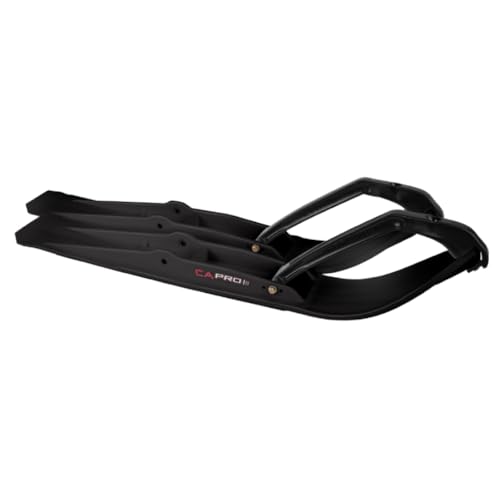
1. Pair of Black C&A Pro RAZOR 6 Snowmobile Skis — Best Overall Trail and Crossover Ski
The C&A Pro RAZOR 6 has earned its reputation as a benchmark trail ski through years of refinement, and in 2026 it remains the ski most experienced riders reach for when they want consistent, high-confidence performance across mixed conditions. The 6-inch width is the sweet spot for groomed trails and variable hardpack, giving you enough surface area to float lightly packed snow without the drag penalty you'd feel on a wider crossover platform. The RAZOR's narrow keel profile promotes aggressive steering response, which translates into tight, deliberate corner entries that feel nothing like the vague, wandering turn-in you get from stock OEM skis shipped on most sleds.
C&A builds these skis with their proprietary high-molecular-weight polyethylene base material, which resists gouging and wear far better than cheaper thermoplastic alternatives — you'll notice the difference after a season of mixed-surface riding on roads, ice, and packed trail. The included black C&A loops are a quality match for the ski, and the entire package arrives ready to mount with minimal hardware sourcing on your part. Riders running these on Arctic Cat, Ski-Doo, and Polaris platforms all report a noticeable reduction in arm fatigue compared to stock skis, largely because the RAZOR tracks predictably rather than darting between ruts and chatter bumps.
At the end of the day, this is the ski you buy when you want a direct performance upgrade from your factory setup without overthinking the decision. It's the right answer for 80 percent of trail and crossover riders who spend most of their time on groomed or lightly packed surfaces.
Pros:
- 6-inch width delivers an ideal balance between float and handling precision on groomed trails
- HMWPE base material offers outstanding abrasion resistance and longevity over multiple seasons
- Includes quality C&A loops — no additional hardware sourcing required
- Significantly reduces arm pump and steering fatigue compared to OEM ski designs
Cons:
- Not the best choice for deep powder or aggressive off-trail riding where a wider ski platform excels
- Black colorway shows scratches more readily than lighter finishes over time
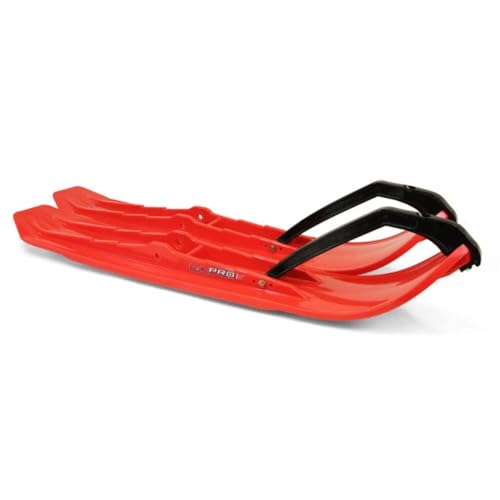
2. C&A PRO MTX 8" Red Skis — Best Wide-Platform Crossover Ski
When you're running a crossover sled — something like a Ski-Doo Renegade, a Polaris Switchback, or a comparably spec'd Arctic Cat — and you want a ski that performs on trail without completely giving up in soft snow, the MTX 8-inch is the answer. The extra two inches of width compared to a standard 6-inch trail ski provide dramatically more surface contact when conditions soften, translating to better float without the ski plowing or dragging when you're back on packed surfaces. The MTX 8" fits Arctic Cat, Polaris, Ski-Doo, and Yamaha platforms, making it one of the most universally applicable performance upgrades in this category — you don't need to obsess over fitment compatibility before ordering.
C&A machines the MTX with a refined keel geometry that keeps steering effort manageable despite the wider footprint, and the red colorway holds up well under UV and scuffing in a way that cheaper injection-molded skis simply don't. The wider platform also means your sled will track more confidently in deep rutted snow where narrower skis tend to get pushed around by the walls of the rut, a common frustration for riders pushing crossovers into more aggressive terrain. If you've been frustrated by your current skis washing out when conditions get soft near the edges of groomed corridors, this is the upgrade that solves that problem definitively.
The MTX 8" is a meaningful performance step up for crossover riders who want a single ski solution that doesn't force you to compromise — it won't perform quite as sharply as a dedicated trail ski on hardpack, but the all-conditions versatility more than compensates for that minor tradeoff.
Pros:
- 8-inch width provides excellent float for crossover and off-trail use cases
- Universal fitment across Arctic Cat, Polaris, Ski-Doo, and Yamaha
- C&A keel design keeps steering effort reasonable despite the wider platform
- Durable red finish resists UV fading and cosmetic wear better than stock skis
Cons:
- Slightly heavier than narrower trail skis, which some riders notice on technical terrain
- Steering is less razor-sharp on hardpack compared to dedicated 6-inch trail skis
3. Pair of Black C&A Pro XCS 6-3/4" Snowmobile Skis — Best Xtreme Crossover Performance Ski
The XCS — short for Xtreme Crossover Ski — occupies a genuinely useful middle ground between the narrow precision of a 6-inch trail ski and the wide float of the 8-inch MTX, and that 6-3/4-inch width represents more than just splitting the difference. C&A engineered the XCS specifically for riders who demand high-performance handling on trail but regularly venture into ungroomed terrain where a purely trail-oriented ski becomes a liability. The XCS is the ski C&A designed for competitive crossover and endurance trail riding, where you need precise steering inputs at high speed alongside enough width to manage when the trail edge turns to variable-depth powder.
The ski's base geometry features a refined keel design that reduces darting on hardpack while the wider footprint gives you noticeably more confidence in transitions between groomed and ungroomed surfaces. The included black C&A loops are the same quality hardware you get with the RAZOR, and the overall fit and finish of the XCS reflects C&A's position as the premium aftermarket ski manufacturer in the industry. Riders using the XCS on high-performance trail sleds — particularly those running aluminum rear suspensions or aggressive calibration on their front spindles — report that the ski's behavior is more planted and less reactive to trail irregularities than narrower options.
If you're the type of rider who does 60 percent trail and 40 percent off-trail mixed riding, the XCS gives you a performance-forward answer that doesn't ask you to sacrifice too much in either direction. For riders who also want to improve their overall maintenance game, checking out the best snowmobile ice scratchers is a smart complement to a ski upgrade — proper lubrication extends carbide and base life significantly.
Pros:
- 6-3/4-inch width bridges the gap between pure trail and crossover ski categories effectively
- XCS geometry delivers reduced darting on hardpack and ice compared to narrower trail skis
- Includes high-quality C&A loops — complete hardware package ready for installation
- Excellent choice for endurance and high-speed trail riding with mixed-terrain excursions
Cons:
- Not as ideal as the full 8-inch MTX when the primary goal is deep snow and off-trail float
- Premium pricing reflects the quality but may be above budget for casual recreational riders
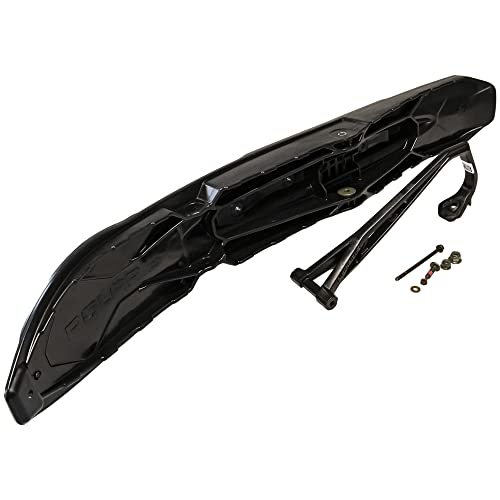
4. Polaris 2885164-070 Black Pro Steer Ski w/Hardware — Best OEM Replacement for Polaris Sleds
Genuine OEM parts carry a specific kind of confidence that aftermarket alternatives can't fully replicate: you know the geometry, the mounting dimensions, and the hardware tolerances are exactly what Polaris engineered for your machine. The Pro Steer Ski features an engineered keel design and a shortened skag configuration that Polaris specifically tuned for trail performance, and the torsional stiffness added by the supportive rib structure means this ski maintains consistent camber under load rather than flexing unpredictably when you're pushing through a corner. This is the correct choice when your goal is a direct factory replacement that restores your sled to its original handling character rather than changing it.
The hardware included in the kit is Polaris-spec, which matters more than it sounds — using incorrect hardware on ski spindles introduces wear patterns and looseness that lead to accelerated bushing failure and degraded steering feel over time. The shortened skag profile reduces the effort required to initiate turns and eliminates the tendency some longer carbides have to catch on trail ruts at low speeds, a particularly appreciated characteristic when you're maneuvering through tight off-trail sections or loading onto a trailer. Note that an alternate ski stop may be required depending on your specific model year and trim level — confirm fitment before ordering using your VIN and model number.
For Polaris owners who want a no-compromise OEM rebuild of their front end without the research investment required to evaluate aftermarket compatibility, this Pro Steer Ski delivers exactly what the factory intended. Pair this with proper sled management accessories — including the best snowmobile dollies for garage storage — and your front end will stay in excellent condition season after season.
Pros:
- Genuine OEM Polaris part ensures exact fitment and factory-spec handling geometry
- Engineered keel and shortened skag design optimized specifically for trail performance
- Supportive ribs provide torsional stiffness that maintains consistent ski camber under load
- Includes all necessary hardware for a complete, correct installation
Cons:
- Compatible with Polaris machines only — not an option for Ski-Doo, Arctic Cat, or Yamaha riders
- Alternate ski stop may be required for certain model year and trim combinations
5. C&A PRO XPT Ski — Best Xtreme Performance Trail Ski
The XPT — Xtreme Performance Trail — represents C&A's highest-tier trail ski, designed specifically for riders who prioritize steering precision, high-speed stability, and aggressive trail performance above all other characteristics. This ski is engineered for the rider pushing a modern performance sled at speeds where the quality of front-end input becomes the difference between a confident, controlled line and a sketchy, reactive ride. The XPT fits Arctic Cat, Polaris, Ski-Doo, and Yamaha platforms, making it an accessible performance upgrade regardless of what brand you're running, and the red finish on this version adds a sharp visual contrast against black tunnel and hood combinations that many riders prefer on performance builds.
What distinguishes the XPT from C&A's other trail-oriented designs is the combination of its base geometry and keel profile, which are tuned specifically for high-speed rail and aggressive steering inputs rather than the more moderate trail touring that other skis target. The base material is the same premium HMWPE compound C&A uses across their performance lineup, and the ski's contact patch is shaped to deliver maximum carbide engagement on hardpack and ice without creating the arm pump that comes from a ski that grips too aggressively in all conditions. Riders stepping up from a standard trail ski — or from worn OEM equipment — will notice an immediate improvement in front-end feel and responsiveness at elevated speeds.
If you're the kind of rider who actively seeks out groomed high-speed corridors and rides with a level of aggression that demands the best front-end hardware available, the XPT is your ski. The performance ceiling on this product is genuinely high, and it won't become the limiting factor in your riding.
Pros:
- Purpose-built for high-speed trail performance with aggressive keel geometry and base profile
- Universal fitment across Arctic Cat, Polaris, Ski-Doo, and Yamaha platforms
- Premium HMWPE base material resists wear and maintains performance across a full season
- Delivers exceptional front-end feedback and steering precision at elevated speeds
Cons:
- Trail-focused design is not the optimal choice for powder or deep off-trail riding
- Premium price point reflects the top-tier performance positioning in the C&A lineup
6. Polaris 2889413-133 Bright White Traverse Ski Timbersled ARO — Best Mountain and Backcountry Ski
The Timbersled ARO Traverse Ski is a different kind of product entirely from the trail-focused options above, and it fills a specific and important role for mountain and backcountry riders running Timbersled ARO snow bike conversion systems. If you're converting a motocross bike to a snow bike platform for backcountry riding, your front ski is a critical performance component — and Polaris engineered this Traverse Ski specifically for the handling characteristics that ARO system riders demand in deep snow, steep sidehills, and technical mountain terrain. Ideal grip and precise handling are the defining characteristics Polaris built into this ski's geometry, and both attributes are genuinely felt in the way the ski initiates turns and tracks through variable-depth snow.
The bright white finish on this model provides good visual contrast against the snow when you're checking ski angle and position from the riding position, a practical detail that mountain riders will appreciate in flat-light or whiteout conditions. Importantly, this ski ships without the skag or ski hoop — those are sold separately, which means you have the flexibility to select the carbide configuration that matches your specific riding conditions and preference, whether that's a more aggressive edge hold or a lighter touch for float-prioritized mountain terrain. Vehicle fitment for the ARO platform is specific enough that you should verify compatibility using your VIN before ordering, as multiple ARO generations have been produced with meaningful dimensional differences.
This is a highly specialized product that delivers exactly what it promises for the rider it's designed for — if you're running an ARO system in the mountains, this is the ski you need, and no trail-oriented ski will give you the same performance.
Pros:
- Engineered specifically for Timbersled ARO snow bike conversion systems and mountain riding
- Ideal grip and precise handling geometry for deep snow, sidehills, and backcountry terrain
- Bright white finish provides useful visual contrast in flat-light mountain conditions
- Modular design allows independent selection of skag and ski hoop for terrain-specific setup
Cons:
- Does not include skag or ski hoop — additional components required for complete installation
- Fitment is ARO-specific; verify VIN compatibility before ordering to avoid returns
7. SnowTracker Auto-Sharpening Semi-Aggressive Wear Bar — Best Ski Carbide Upgrade for Ski-Doo Pilot TS
The SnowTracker Auto-Sharpening Wear Bar takes a different approach from the full ski replacements above — this is a carbide skag upgrade specifically designed for the Ski-Doo Pilot TS ski platform, and it addresses one of the most commonly cited complaints among Ski-Doo trail riders: the Pilot TS's tendency to wear carbides quickly and lose edge bite on hard-packed surfaces and ice. The auto-sharpening design means that as the carbide wears through normal trail use, the wear geometry continuously exposes fresh, sharp cutting edge rather than rounding off into an ineffective flat profile, which is what happens with conventional carbide wear bars under the same conditions. This auto-sharpening characteristic extends the effective service life of the carbide dramatically compared to standard replacement wear bars, making it a cost-effective upgrade for riders logging serious miles on groomed corridors.
The semi-aggressive edge profile is the right specification for riders who spend the majority of their time on groomed trails, hardpack, and occasional ice crossings without pushing into full-aggression territory that would cause the ski to catch and dart on hardpack imperfections. Riders who have tried both standard and auto-sharpening carbides consistently report that the SnowTracker version delivers noticeably better steering feel and edge feedback into the second half of the season, when standard wear bars have dulled enough to compromise performance. Installation on the Pilot TS ski is straightforward with standard hand tools, and the hardware interfaces are designed for a clean, rattle-free fit.
If you're already happy with your Pilot TS skis but your current carbides are worn or you want better ice performance without replacing the entire ski, this SnowTracker wear bar is the precise, targeted upgrade that gets the job done at a fraction of the cost of a full ski replacement.
Pros:
- Auto-sharpening design continuously exposes fresh carbide edge through the season for sustained bite
- Semi-aggressive profile delivers excellent hardpack and ice performance without darting on trail imperfections
- Cost-effective upgrade that dramatically extends useful service life compared to standard wear bars
- Designed specifically for Ski-Doo Pilot TS platform with precise, rattle-free hardware fit
Cons:
- Compatible with Ski-Doo Pilot TS ski only — not a universal carbide upgrade
- Semi-aggressive profile may be too mild for riders who spend significant time on pure ice surfaces
Choosing the Right Snowmobile Ski: A Buying Guide
Before you pull the trigger on a ski upgrade, a few minutes spent evaluating your actual riding conditions and priorities will ensure you get the right product for your situation. The ski market in 2026 is well-segmented, and understanding which category you fall into eliminates most of the guesswork.
Ski Width: The Most Important Variable
Ski width is the single most influential specification in ski selection, and it governs the fundamental tradeoff between steering precision on hardpack and float in soft snow. A 6-inch ski like the C&A RAZOR delivers sharper, more reactive steering on groomed trails and hardpack because the narrower contact patch reduces friction and allows the keel and carbide to dominate the handling equation. Move to a 6-3/4-inch platform like the XCS and you get a meaningful float improvement in mixed conditions with a minimal steering penalty. The 8-inch MTX represents the crossover-specific maximum — beyond this width you're in dedicated powder territory, which most trail sleds aren't designed to optimize for. Match your ski width to where you actually ride 70 percent of the time, not where you wish you rode.
OEM vs. Aftermarket Skis
The decision between genuine OEM replacement skis and aftermarket performance skis comes down to intent. If your existing skis are physically damaged or worn out and you want your sled to handle exactly the way the manufacturer intended, an OEM replacement like the Polaris Pro Steer is the correct answer — it restores factory geometry without introducing any variables. If you're looking to improve on the factory setup because your current handling feel doesn't match your riding ambitions, a quality aftermarket ski from C&A delivers meaningful gains in feedback, durability, and performance tuning that OEM parts aren't designed to provide. Most experienced riders eventually end up on aftermarket skis for this reason, particularly if they push their machines harder than the casual recreational user the factory calibrated the stock skis for.
Carbide and Skag Selection
The ski body itself is only half of your front-end performance equation — the carbide wear bars mounted to the bottom of the ski determine how your sled grips on ice and hardpack, how it behaves on groomed trail, and how quickly it wants to initiate turns. Standard flat carbides wear predictably but dull through the season, degrading your steering feel progressively in a way that's easy to miss until it becomes dramatic. Auto-sharpening designs like the SnowTracker wear bar maintain their bite throughout the season, which is a genuine functional advantage for high-mileage riders. Carbide length also matters: longer carbides increase edge hold and reduce darting but also require more steering effort, while shorter carbides feel lighter but may push or wash out in aggressive cornering situations.
Platform Compatibility and Hardware
Confirm fitment before ordering any ski or carbide component — the snowmobile ski market does not have a universal standard, and mounting dimensions, spindle interfaces, and loop attachment points vary significantly across brands, model years, and trim levels. C&A skis specify compatible brands (Arctic Cat, Polaris, Ski-Doo, Yamaha) but fitting correctly within those brands still requires model and year verification. Polaris OEM parts are specific to Polaris models and sometimes specific to individual model years. When compatibility notes mention that an alternate ski stop may be required, take that seriously and confirm before installation rather than discovering the issue after you've got the ski off the ground. Proper hardware torque and periodic inspection for looseness are also critical maintenance habits — ski hardware that works loose creates dangerous steering unpredictability at speed.
Questions Answered
What ski width is best for groomed trail riding?
For primarily groomed trail riding on hardpack and machine-packed snow, a 6-inch ski like the C&A Pro RAZOR 6 is the optimal choice. The narrow width maximizes carbide contact efficiency, reduces steering effort, and delivers the precise, reactive handling that fast trail riding demands. You'll notice less arm pump over a full day of riding compared to wider crossover skis, and the ski will track cleanly in trail ruts without pushing or darting excessively.
How do I know if my snowmobile skis need to be replaced?
Your skis need replacement when the base material shows significant gouging, cracking, or delamination, when the mounting hardware interfaces are worn or cracked, or when the ski has developed permanent camber deformation that prevents it from lying flat on a level surface. Worn carbide wear bars are a separate issue — carbides can be replaced independently without replacing the ski itself, and doing so is a cost-effective way to restore performance when the ski body is still in good structural condition.
Do aftermarket skis fit all snowmobile brands?
Most major aftermarket ski manufacturers, including C&A Pro, produce skis with broad fitment compatibility across Arctic Cat, Polaris, Ski-Doo, and Yamaha platforms — the MTX and XPT models are clear examples of this approach. However, fitment is specified by brand and model range, not universally, so you must verify your specific model year and trim against the manufacturer's fitment chart. Polaris OEM skis, by contrast, are designed exclusively for Polaris machines and are not cross-compatible with other brands.
What is an auto-sharpening carbide wear bar and why does it matter?
An auto-sharpening carbide wear bar, like the SnowTracker unit reviewed here, uses a wear geometry that continuously exposes a fresh, sharp carbide edge as the bar wears through normal use. Conventional flat carbides dull progressively and eventually wear to a rounded profile that provides minimal edge bite on ice and hardpack. The auto-sharpening design maintains consistent steering feel and edge grip throughout the season, which is a meaningful performance and safety advantage for riders logging high mileage on groomed corridors.
Can I use trail skis for off-trail or powder riding?
Trail skis like the RAZOR 6 and XPT are not designed for sustained off-trail or deep powder use, and using them in those conditions results in poor float, excessive snow resistance, and fatiguing steering effort because the narrow ski sinks rather than planes across the surface. For mixed riding that includes regular off-trail excursions, a crossover-width ski like the MTX 8 inch or XCS 6-3/4 inch is the correct choice. Dedicated mountain riding and snow bike applications have their own specialized ski designs, like the Timbersled ARO Traverse Ski, engineered specifically for deep and variable-depth snow conditions.
How often should snowmobile ski carbides be replaced?
Carbide replacement frequency depends on your mileage, surface conditions, and the type of carbide you're running. A rider covering 3,000 to 5,000 miles per season on groomed trail surfaces should inspect carbides at mid-season and replace them if wear has reduced the edge profile to less than 3/16 inch of remaining material. Riders who frequently cross roads, bridge approaches, or other bare or gravel surfaces will wear carbides significantly faster and should inspect more frequently. Auto-sharpening designs like the SnowTracker extend replacement intervals by maintaining a functional edge geometry through a greater portion of their total wear life.
Buy on Walmart
- Pair of Black C&A Pro RAZOR 6 Snowmobile Skis W/Black C&A Lo — Walmart Link
- C&A PRO SKIS C&A MTX 8" RED — Walmart Link
- Pair of Black C&A Pro XCS 6-3/4" Snowmobile Skis W/Black C&A — Walmart Link
- Polaris 2885164-070 Black Pro Steer Ski w/Hardware Genuine O — Walmart Link
- C&A PRO SKI XPT Ski - Xtreme Performance Trail — Walmart Link
- Polaris 2889413-133 Bright White Traverse Ski Timbersled ARO — Walmart Link
- SnowTracker Auto-Sharpening Semi-Aggressive Wear Bar Ski-Doo — Walmart Link
Buy on eBay
- Pair of Black C&A Pro RAZOR 6 Snowmobile Skis W/Black C&A Lo — eBay Link
- C&A PRO SKIS C&A MTX 8" RED — eBay Link
- Pair of Black C&A Pro XCS 6-3/4" Snowmobile Skis W/Black C&A — eBay Link
- Polaris 2885164-070 Black Pro Steer Ski w/Hardware Genuine O — eBay Link
- C&A PRO SKI XPT Ski - Xtreme Performance Trail — eBay Link
- Polaris 2889413-133 Bright White Traverse Ski Timbersled ARO — eBay Link
- SnowTracker Auto-Sharpening Semi-Aggressive Wear Bar Ski-Doo — eBay Link

Key Takeaways
- The C&A Pro RAZOR 6 is the definitive all-around trail ski for 2026 — it delivers the best combination of steering precision, durability, and value for the majority of groomed and mixed-condition trail riders.
- Crossover riders running platforms like the Ski-Doo Renegade or Polaris Switchback get the most versatile performance from the C&A MTX 8", which provides meaningful float in soft snow without compromising trail handling.
- Polaris owners who want exact factory handling geometry back after ski damage or wear will find the Polaris Pro Steer OEM Ski is the straightforward, correct replacement that restores the machine to its engineered specification.
- High-mileage Ski-Doo Pilot TS riders who want to maximize carbide life and ice performance without replacing the entire ski should invest in the SnowTracker Auto-Sharpening Wear Bar, which outperforms standard carbides significantly through the second half of the season.
 |
 |
 |
 |

About Frank V. Persall
Frank Persall is a lifelong skier originally from the United Kingdom who has spent years pursuing the sport across premier resorts in Europe, North America, and beyond. His passion for skiing has taken him from the Alps to the Rocky Mountains, giving him a broad perspective on resort terrain, snow conditions, gear performance across price points, and the practical realities of ski travel with a family. At SnowGaper, he covers ski resort guides, gear reviews, and skiing technique and travel resources for enthusiasts of every level.
You can get FREE Gifts. Or latest free skiing books here.
Disable Ad block to reveal all the info. Once done, hit a button below
|
|
|
|