Which cross country ski gloves will actually keep your hands warm when the temperature drops and the trail gets long? If you've stood in a gear shop staring at a wall of gloves with no idea what separates a great pair from a mediocre one, you're not alone. The best cross country ski glove for 2026 is the Swix Inspire Primaloft Lobster — it delivers a rare combination of warmth, dexterity, and trail-ready performance that most competitors simply can't match. But the right glove for you depends on your skiing style, your temperature range, and whether you prefer a glove, a mitt, or something in between.
Cross country skiing — sometimes called Nordic skiing — puts unique demands on your hands. Unlike downhill, where you're mostly gripping poles passively, Nordic skiers use their arms actively with every stride. Your gloves need to be warm enough for cold mornings but breathable enough to handle the heat you generate at full effort. Too thick and your poles feel clumsy. Too thin and your fingers go numb by kilometer three. Getting this balance right is what separates purpose-built Nordic gloves from generic winter gloves. If you want a deeper look at how Nordic skiing compares to other styles, check out this overview of different types of skiing to see why gear choices differ so dramatically across disciplines.
We tested and reviewed seven of the top cross country ski gloves available in 2026, ranging from race-focused Swix designs to waterproof backcountry options from Black Diamond. Whether you're a first-time skier on groomed trails or a veteran skate skier chasing podium times, there's a pick on this list for you. Browse our full ski gear reviews for more hands-on recommendations across every category.

Contents
- Our Top Picks for 2026
- Detailed Product Reviews
- Swix Inspire Primaloft Lobster — Best Overall
- Swix Star XC 3.0 Women's — Best for Women Racers
- Swix Star XC 3.0 Men's Small — Best Race Glove for Smaller Hands
- Swix Star XC 3.0 Men's Medium — Best All-Around Men's Glove
- Swix Star XC 3.0 3-Finger Mitts — Best Hybrid Mitt
- Swix Inspire Primaloft Glove — Best Lightweight Option
- Black Diamond Men's Spark Gloves — Best Premium Waterproof Pick
- What to Look For When Buying
- What People Ask
Our Top Picks for 2026
- #PreviewProductRating
- Bestseller No. 1
 Rating:

- Bestseller No. 2
 Rating:
 - Bestseller No. 3
 Rating:
 - Bestseller No. 4Rating:
- Bestseller No. 5
 Rating:
 - Bestseller No. 6
 Rating:
 - Bestseller No. 7
 Rating:
Detailed Product Reviews
1. Swix Inspire Primaloft Lobster — Best Overall
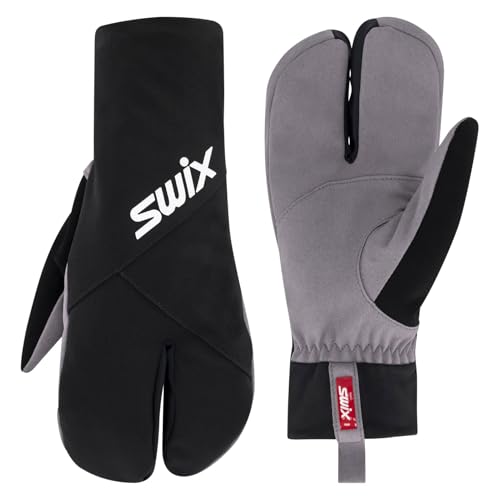
The Swix Inspire Primaloft Lobster sits at the top of this list for a reason. A lobster-style glove — sometimes called a trigger mitt — splits your fingers into two groups: the index finger on its own, and the remaining three fingers together. This design gives you the warmth of a mitten with the grip precision of a glove. For cross country skiing, that's a powerful combination. You can hold your poles firmly without sacrificing heat retention on those frigid morning starts.
Swix packed this glove with PrimaLoft insulation (a synthetic fill that continues to insulate even when damp — unlike down). The outer shell is built for Nordic-specific movement, meaning it won't bunch up or restrict your arm swing mid-stride. If you ski classic or skate style in temperatures below 15°F (-9°C), this is the glove you reach for. It's not a rain glove, but it holds up well in dry cold and light powder conditions. The construction quality is exactly what you'd expect from Swix, a brand that has been outfitting competitive Nordic skiers for decades.
One thing to keep in mind: the lobster format does take a short adjustment period if you've only ever worn standard gloves. Most skiers report that after one or two outings, the split-finger layout feels completely natural. Given how much warmth it adds over a comparable five-finger glove, that learning curve is well worth it.
Pros:
- Lobster design maximizes warmth without losing pole control
- PrimaLoft insulation stays warm even in damp conditions
- Purpose-built for Nordic skiing motion
- Excellent build quality from a trusted Nordic brand
Cons:
- Short adjustment period for first-time lobster glove users
- Not waterproof — best in dry cold rather than wet snow
2. Swix Star XC 3.0 Glove Women's — Best for Women Racers
Swix designed the women's Star XC 3.0 specifically for competitive Nordic skiers, and it shows in every detail. The outer shell is made from 4-way stretch lycra, which sounds simple until you realize how much that matters at race pace. When your arms are swinging hard and your poles are driving with every stride, a stiff glove creates friction and fatigue. The 4-way stretch lycra moves with your hand in every direction, eliminating that binding sensation.
PrimaLoft chopped insulation lines both the palm and the upper. Chopped insulation (finely cut strands of fill) is lighter and more packable than traditional batt insulation, and it distributes heat more evenly across curved surfaces like a hand. The result is consistent warmth without any hot spots or cold gaps. The palm materials are reinforced for durability where your hand grips the pole, and the construction throughout feels race-grade rather than entry-level.
This glove is sized in women's dimensions, so the fit through the fingers and palm is proportioned correctly. If you've ever worn a men's glove that was too wide in the palm or too long in the fingers, you'll appreciate how dialed in the women's sizing is here. This is a dedicated race tool — not a casual trail glove — so pair it with the right layers if you're skiing recreationally in milder temps.
Pros:
- Women's-specific sizing for a precise, comfortable fit
- 4-way stretch lycra eliminates restriction during active skiing
- PrimaLoft chopped insulation provides even, consistent warmth
- Race-grade construction built to last through a full season
Cons:
- More of a racing tool than an everyday recreational glove
- Minimal weather protection in wet or slushy conditions
3. Swix Star XC 3.0 Men's Small — Best Race Glove for Smaller Hands
The men's Star XC 3.0 in small is the same race-focused glove as the larger men's sizes, just proportioned for skiers with smaller hands who still want a purpose-built Nordic racing glove. Swix describes this as a heavyweight ski racing glove, which is their way of saying it's built for all-level skiers from recreational competitors to serious racers. The 4-way stretch lycra shell delivers the same unrestricted movement you get across the entire Star XC 3.0 lineup.
PrimaLoft chopped insulation on the palm and upper keeps warmth consistent without adding unnecessary bulk. The small sizing means men with narrower hands or shorter fingers finally get a glove that doesn't flop around or bunch at the fingertips. Fit matters enormously with gloves — a glove that's even slightly too large will shift against your palm when gripping a pole, creating pressure points and reducing control. Getting the right size in this model fixes that problem outright.
If you're a male skier who consistently finds that glove smalls still run a bit big, this is worth trying on before committing to a different brand. The Swix fit tends to run true to size, and the small here is a genuine small rather than a relabeled medium.
Pros:
- True small sizing for men with narrower hands
- Same race-grade construction as the full Star XC 3.0 line
- 4-way stretch maintains full pole-swing mobility
- PrimaLoft insulation performs across all activity levels
Cons:
- Limited to dry-cold conditions — not a wet weather glove
- Small size may still be slightly roomy for the very smallest hands
4. Swix Men's Star XC 3.0 Medium — Best All-Around Men's Glove
The men's Star XC 3.0 in medium hits the sweet spot for most male skiers, and it doubles as the most versatile glove in the Swix lineup. While the small and large sizes serve their respective niches, the medium is the one Swix designed around the average male hand — and the feature set reflects that multi-use mandate. These gloves work for snow sports, backcountry adventures, and everyday cold-weather use, which means you get more value per dollar if you want one pair to cover multiple winter activities.
The insulated upper and palm guard against wind and cold, while the breathability of the lycra shell prevents that clammy, sweaty buildup that happens when you push the pace on a Nordic trail. Synthetic leather on the palm ensures durability at the grip points, and articulated thumb gussets (pre-shaped thumb sections that follow the natural curve of your hand) reduce stress on the material over time. The lycra finger walls and terry cloth thumb wipe (the small patch of soft fabric on the back of the thumb, used to wipe your nose or goggles) are practical touches that matter on long trail days.
Reinforcements in high-wear zones are something Swix specifically calls out on this glove, and for good reason. Grip zones on ski gloves wear out faster than anywhere else. By reinforcing the palm and fingertip areas, these gloves last significantly longer than thinner racing gloves worn under the same conditions. For recreational skiers who want race-inspired performance with multi-season durability, this medium is the clear pick.
Pros:
- Versatile enough for skiing, snowshoeing, and daily winter use
- Reinforced high-wear zones extend glove lifespan
- Articulated thumb gusset improves long-term fit and comfort
- Terry thumb wipe — practical detail that most users appreciate
Cons:
- Slightly heavier than pure racing gloves in the lineup
- Not a dedicated waterproof option for wet-snow days
5. Swix H02204 Men's Star XC 3.0 3-Finger Mitts XL — Best Hybrid Mitt
If you run cold but still want some finger articulation, the Swix Star XC 3.0 three-finger mitt is exactly what you're looking for. This design groups your ring and pinky fingers together in one compartment while keeping your index and middle fingers separate — which gives you better warmth than a standard glove while still allowing reasonable dexterity for managing pole straps or zippers mid-trail. The slim-fit construction makes these ideal for Nordic skiing, cycling, and snowshoeing alike.
PrimaLoft insulation lines the interior and manages moisture effectively. During moderate activity — say, a steady classic ski pace on groomed trails — the glove vents well enough to prevent overheating. Push the intensity up into a skate ski sprint or a hard uphill, and the fabric wicks sweat away before it can chill your hands on the descent. That thermal regulation is harder to achieve than it sounds, and Swix nailed it here. The long cuff extends well past the wrist to block snow entry, and the curved tailoring of the mitt follows the natural closed-hand position you hold when wrapping your palm around a pole grip.
The X-Large sizing is generous — it fits hands that find most Nordic gloves too narrow through the knuckles. Cross country skiing involves sustained aerobic effort across varied terrain, and hand comfort over a two-hour outing matters as much as warmth at the five-minute mark. Getting the fit right at the knuckle and palm pays dividends on longer outings. Also worth noting: if you're considering a longer adventure and want to understand more about what ski touring involves, read our guide to ski touring — the gear overlap with Nordic skiing is significant.
Pros:
- Three-finger design balances warmth with usable dexterity
- Long cuff blocks snow entry during active skiing
- PrimaLoft vents during moderate effort and wicks at high intensity
- Curved tailoring follows natural hand position on pole grips
Cons:
- Less fine-motor control than a five-finger glove
- XL sizing may be too large for average-sized hands
6. Swix Inspire Primaloft Glove — Best Lightweight Option
The Swix Inspire Primaloft Glove is the five-finger companion to the lobster model at the top of this list. It shares the same Inspire platform and PrimaLoft insulation philosophy but routes that warmth into a traditional glove format. That makes it the right choice when you need individual finger mobility — for example, if you use wrist-mounted GPS units, fidget frequently with pole strap buckles, or simply prefer the familiar feel of a standard glove under pressure. This glove delivers Nordic-specific warmth without the adjustment period of a lobster or three-finger design.
The PrimaLoft fill is applied strategically across the glove — not just dumped in evenly — so the warmest coverage is where your hands lose heat fastest. The construction reflects Swix's deep understanding of how Nordic skiers move. The material articulates well through the finger flex you use when planting and pushing on poles, and there's no stiffness or squeaking at the knuckles that you sometimes get with cheaper insulated gloves.
This is a great choice for skiers who run warm enough that a lobster mitt feels like overkill, or for days when the temperature is cold but not extreme. Think 10°F to 25°F (-12°C to -4°C) as its sweet spot. Below that range, you'll want the lobster version. Above it, you might prefer the Star XC 3.0 line. If you're shopping for a younger skier or need a reference point for comparing adult and youth glove construction, check out our roundup of the best boys' ski gloves for additional context.
Pros:
- Standard five-finger format — no learning curve
- Inspire platform delivers race-grade construction and fit
- PrimaLoft insulation placed strategically for maximum warmth efficiency
- Excellent finger articulation for pole-heavy Nordic technique
Cons:
- Less warm than the lobster version in extreme cold
- Not a waterproof glove — best in dry conditions
7. Black Diamond Men's Spark Gloves — Best Premium Waterproof Pick
Every other glove on this list is built primarily for dry-cold Nordic conditions. The Black Diamond Spark is different. It's the one you reach for when the weather turns unpredictable — wet snow, rain-over-snowpack, or spring slush on the trail. The BD.dry insert (Black Diamond's waterproof, breathable, windproof membrane) seals out moisture completely while still allowing enough airflow to prevent overheating during active skiing. No other glove in this lineup offers that combination.
The insulation here is PrimaLoft Gold — Black Diamond uses a layered approach with 60g on the palm and a heavier 170g on the back of the hand. That asymmetric distribution makes practical sense. Your palm generates heat through gripping action and is sandwiched against a pole grip, so it needs less insulation. The back of your hand faces the wind directly and benefits from the heavier fill. PrimaLoft Gold is the premium tier of the PrimaLoft lineup — it retains heat even when damp, which matters on days when moisture gets in no matter how good your shell is.
The shell is goat leather, which is more durable and more water-resistant than synthetic shells. Leather gloves require a small amount of conditioning to maintain their water repellency over time, but they reward that maintenance with a significantly longer lifespan than comparable synthetic options. This is a resort-ski and backcountry glove that crosses over beautifully to cold-weather Nordic trails. If your cross country routes take you through variable terrain and unpredictable conditions — which is common in places like the Austrian Alps or technical backcountry routes — this is the glove that won't let you down.
Pros:
- BD.dry waterproof insert handles wet snow and rain effectively
- PrimaLoft Gold insulation — warmth even when damp
- Asymmetric insulation distribution (60g palm / 170g back) is thoughtfully engineered
- Goat leather shell is more durable than synthetic alternatives
Cons:
- Heavier and bulkier than pure Nordic racing gloves
- Leather shell requires periodic conditioning to maintain water repellency
- More than most recreational Nordic skiers need for groomed trail use
What to Look For When Buying Cross Country Ski Gloves
Insulation Type and Weight
The insulation inside your glove determines how warm your hands stay and how well the glove manages moisture. PrimaLoft is the gold standard for Nordic gloves in 2026 because it retains warmth even when wet — which matters on active trails where sweating is inevitable. Down insulation is warm but loses most of its warmth when damp, making it a poor choice for high-output skiing. Look for gloves that specify PrimaLoft or similar synthetic fill rather than vague terms like "synthetic insulation."
Insulation weight — measured in grams per square meter — tells you how much fill is used. Higher numbers mean more warmth and more bulk. For active Nordic skiing, 100–170g is typically sufficient. Go heavier if you ski long distances in extreme cold or run cold naturally. Go lighter if you generate a lot of body heat at pace and tend to overheat in your hands.
Glove vs. Mitt vs. Lobster Style
Your three options each make a different warmth-versus-dexterity trade-off. Standard five-finger gloves give you the most individual finger control, which is useful for adjusting pole straps, using touchscreens, or operating zippers. Mittens are the warmest format because your fingers share heat with each other, but they sacrifice grip precision. Lobster gloves (two-compartment, with the index finger separate) split the difference — warmer than gloves, more dexterous than mittens — and are often the preferred choice for cold-weather Nordic skiing.
Three-finger mitts are a variation on the lobster design that keeps the index and middle fingers separate. They're a good middle ground for skiers who need occasional fine-motor control but want more warmth than a standard glove delivers. Try multiple styles if you're new to Nordic gloves — the right format for your skiing style and temperature range is worth the time to figure out.
Shell Material and Weather Resistance
The outer shell of your glove determines durability, weather resistance, and breathability. Synthetic stretch fabrics like 4-way lycra move freely and breathe well during active skiing but offer minimal wind and water protection. Leather shells — especially goat leather — are more weather-resistant and last longer but require maintenance. Waterproof-insert designs (like Black Diamond's BD.dry) add a membrane layer inside the shell that blocks moisture without eliminating breathability.
For dry-cold Nordic skiing on groomed trails, a breathable synthetic shell is usually the right call. The warmth you generate at pace will keep your hands comfortable, and the lycra's movement freedom improves your skiing technique. If your routes involve wet snow, variable temperatures, or ungroomed terrain, a waterproof insert becomes a practical necessity rather than a luxury upgrade.
Fit, Cuff Length, and Palm Reinforcement
A glove that doesn't fit properly causes problems that no amount of insulation can fix. Too large and the material shifts against your palm, creating pressure points and reducing pole control. Too small and the material pulls tight across your knuckles, restricting blood flow and actually making your hands colder. Always check the brand's size guide and measure your hand circumference at the widest point before ordering online.
Cuff length matters more than most skiers realize. A long cuff that extends past the wrist keeps snow out when you fall or push through deeper snow. Short cuffs look cleaner but leave a gap between your glove and jacket sleeve. For cross country skiing, a mid-length to long cuff is worth prioritizing. Finally, check for palm reinforcement in high-wear areas. Synthetic leather or rubberized grip zones at the palm extend glove life significantly and improve your grip on pole handles over long distances.
What People Ask
What temperature are cross country ski gloves designed for?
Most Nordic ski gloves are designed for temperatures between 0°F and 30°F (-18°C to -1°C), depending on insulation weight. Thinner race gloves work best from 20°F to 30°F (-7°C to -1°C) for high-output skiing. Heavier insulated gloves and lobster mitts extend your comfort range down to -10°F or colder. The key is matching your glove's warmth rating to your activity level — you generate significant body heat during active Nordic skiing, so you often need less insulation than you think.
Are cross country ski gloves different from downhill ski gloves?
Yes, and the difference is significant. Cross country ski gloves are designed for high-output aerobic activity where breathability and flexibility matter most. They're typically lighter, stretchier, and more form-fitting than downhill gloves. Downhill gloves prioritize impact protection, waterproofing, and heavy insulation for riding a chairlift in the cold. Wearing a thick downhill glove for Nordic skiing will overheat your hands and restrict your pole swing. Use the right glove for the right discipline.
How do I know if a glove has enough insulation for cold-weather Nordic skiing?
Check the insulation fill weight listed in the product specs. For active cross country skiing in temperatures above 20°F (-7°C), 60–100g of PrimaLoft provides adequate warmth. For temperatures below 10°F (-12°C) or for skiers who run cold, look for 150g or more, or switch to a lobster-style mitt. Pay attention to reviews from skiers in your local climate — temperature ratings from manufacturers tend to be optimistic compared to real-world experience on the trail.
Can I use Nordic ski gloves for other winter activities?
Absolutely. The Swix Star XC 3.0 medium, for example, is specifically designed to work for snowboarding, snowshoeing, running, and everyday cold-weather use in addition to skiing. Most Nordic gloves are slim enough to work with trekking poles, bike handlebars, and winter running. The Black Diamond Spark goes even further — it's a full resort and backcountry ski glove that crosses over to Nordic trails. The main limitation is that very thin race gloves won't provide enough warmth for stationary activities in serious cold.
Are lobster gloves better than regular gloves for cross country skiing?
For most skiers in cold conditions, yes. Lobster gloves (also called trigger mitts) give you meaningfully better warmth than five-finger gloves because fewer compartments means more shared heat between your fingers. You still get full grip control on your poles through the separate index finger. The trade-off is minor reduction in fine-motor control for tasks like adjusting buckles or using your phone. If you currently use a five-finger glove and your hands get cold on long outings, switching to a lobster design is one of the most effective upgrades you can make.
How do I care for and extend the life of ski gloves?
Turn your gloves inside out after each ski session and let them air dry away from direct heat. High heat — like placing them on a radiator or in a boot dryer — degrades insulation and outer shell materials significantly faster than air drying. For leather-shell gloves like the Black Diamond Spark, apply a leather conditioner at the start and end of each season to maintain water repellency and prevent cracking. Synthetic-shell gloves can usually be machine washed on a gentle cycle in cold water — check the care label first. Store gloves in a dry, cool location off-season, not compressed in a stuff sack.
Buy on Walmart
- Swix Inspire Primaloft Lobster — Walmart Link
- Swix, Star XC 3.0 Glove - Women's, Black/Silver, L — Walmart Link
- Swix, Star XC 3.0 Glove - Men's, Black/Silver, S — Walmart Link
- Swix Men's Star XC 3.0 Durable Flexible Breathable Warm Insu — Walmart Link
- Swix H02204 Men's Star XC 3.0 Split 3-Finger Insulated Winte — Walmart Link
- Swix Inspire Primaloft Glove — Walmart Link
- BLACK DIAMOND Men's Spark Gloves | BD.Dry Waterproof Insert — Walmart Link
Buy on eBay
- Swix Inspire Primaloft Lobster — eBay Link
- Swix, Star XC 3.0 Glove - Women's, Black/Silver, L — eBay Link
- Swix, Star XC 3.0 Glove - Men's, Black/Silver, S — eBay Link
- Swix Men's Star XC 3.0 Durable Flexible Breathable Warm Insu — eBay Link
- Swix H02204 Men's Star XC 3.0 Split 3-Finger Insulated Winte — eBay Link
- Swix Inspire Primaloft Glove — eBay Link
- BLACK DIAMOND Men's Spark Gloves | BD.Dry Waterproof Insert — eBay Link
The best cross country ski glove is the one that matches your temperature range, your skiing style, and your hands — buy for fit first, warmth second, and everything else will follow.
 |
 |
 |
 |

About Frank V. Persall
Frank Persall is a lifelong skier originally from the United Kingdom who has spent years pursuing the sport across premier resorts in Europe, North America, and beyond. His passion for skiing has taken him from the Alps to the Rocky Mountains, giving him a broad perspective on resort terrain, snow conditions, gear performance across price points, and the practical realities of ski travel with a family. At SnowGaper, he covers ski resort guides, gear reviews, and skiing technique and travel resources for enthusiasts of every level.
You can get FREE Gifts. Or latest free skiing books here.
Disable Ad block to reveal all the info. Once done, hit a button below
|
|
|
|