Roughly 8 million people worldwide now strap climbing skins to their skis every season — and that number keeps climbing. If you've been wondering what is ski touring skinning, you're stepping into one of the fastest-growing disciplines in all of skiing. At its core, ski touring means attaching adhesive fabric strips called "skins" to your ski bases so you can walk uphill through backcountry terrain under your own power, then remove them and ski down on untouched snow.
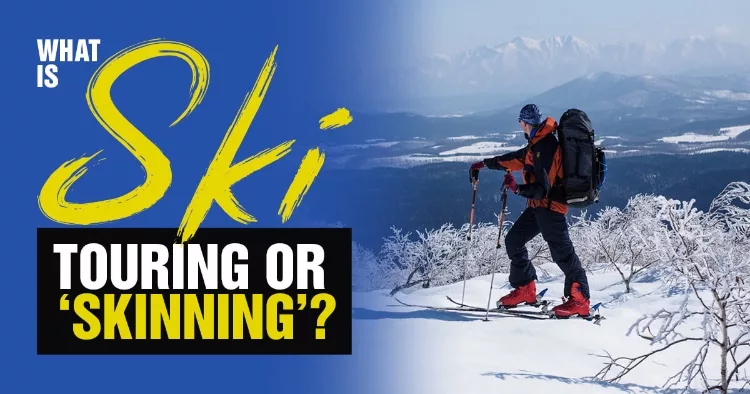
Unlike resort skiing, there's no chairlift waiting for you. You earn every descent with your own legs. That trade-off — effort exchanged for solitude and untracked powder — is exactly what draws skiers away from crowded slopes and into the mountains on their own terms.
This guide covers everything: the sport's origins, how the gear actually works, who it's built for, what it costs, and how to fix common problems on the trail. Whether you spotted someone skinning up a slope and wondered what they were doing, or you're ready to book your first backcountry outing, read on.
Contents
Where Ski Touring Comes From
Ancient Origins of Skinning
Ski touring didn't begin as a sport — it began as survival. Archaeological evidence from Scandinavia and Central Asia shows humans strapping wooden planks to their feet to cross snow-covered terrain as far back as 6,000 years ago. Those early travelers weren't chasing powder lines; they were hunting, trading, and crossing mountain passes in winter when no other route existed. You can dig into the full record on the Wikipedia history of skiing page.
The skins themselves — originally cut from actual animal hides — work on a beautifully simple principle. Fur laid in one direction glides smoothly forward but grips when you push back against it, preventing your skis from sliding downhill while you climb. Modern skins replicate this using synthetic mohair or nylon fibers oriented the same way. The physics haven't changed in thousands of years.
The Modern Revival
For most of the twentieth century, ski touring remained a niche pursuit, overshadowed by mechanical lifts. Curious about how lift technology changed the sport forever? The history of the first chairlift is a fascinating read on its own. Then in the early 2000s, backcountry skiing exploded. Lighter bindings, better boot technology, and growing avalanche safety education brought thousands of new tourers into the mountains. Today, ski touring is mainstream enough that major resorts designate uphill routes on their groomed trails and sell skinning passes specifically for fitness laps.
Myths That Keep Skiers Off the Skintrack
Myth: It's Only for Elite Athletes
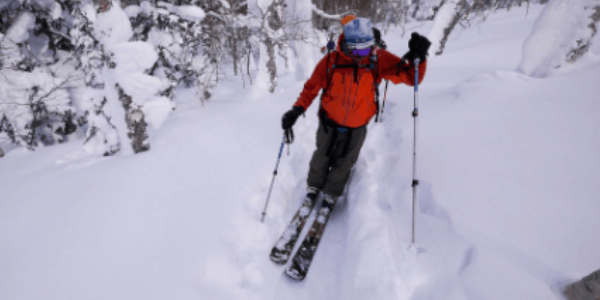
This is the biggest misconception about what is ski touring skinning. You don't need to be a marathon runner or a mountaineer. A healthy intermediate skier who handles groomed blue runs comfortably can absolutely start ski touring. Most beginner tours cover gentle terrain with modest elevation gain — typically 800 to 1,200 vertical feet over a few miles. The pace is entirely yours to set.
Pro tip: Start with a guided half-day tour on mellow terrain. You'll build skinning technique and cardiovascular fitness simultaneously without overcommitting to a demanding alpine objective.
Myth: The Backcountry Is Too Dangerous
Danger is real but manageable. The primary hazard is avalanches — and that's a learnable subject. Taking an avalanche safety course before heading into consequential terrain is non-negotiable. The AIARE Level 1 course is the North American standard. Pair that education with proper gear — a beacon, probe, and shovel — and the backcountry is no more inherently dangerous than many other mountain pursuits. Most accidents happen to skiers who skipped the safety education entirely.
Myth: You Need Completely Different Skis
Modern touring bindings like the Salomon Shift and Marker Kingpin let you use the same skis for resort and backcountry without compromise. You don't need a dedicated second setup from day one. Plenty of tourers start with their everyday all-mountain skis fitted with a touring-compatible binding and go from there. The specialized gear comes later, once you're certain the sport fits your lifestyle.
Who Ski Touring Is Actually For
The Fitness-Driven Skier
If resort laps feel repetitive and you want a full-body workout alongside your skiing, touring delivers. A single 2,000-foot climb burns roughly 600 to 900 calories depending on your pace and pack weight. You'll work your glutes, hip flexors, calves, and core in ways that groomed runs never demand. Many skiers use shorter skinning sessions as cross-training during the early season before resort snowpack builds.
Powder Hunters and Solitude Seekers
The primary appeal for most tourers is simple: untracked snow, far from crowds. Resorts track out within hours of a storm. The backcountry does not. A two-hour climb earns you powder that no one else has touched that day — or that week. This is the same draw that makes heli skiing so compelling, but you don't need a helicopter budget to access it. All you need is time, fitness, and the right gear.
Mountaineers and Multi-Day Adventurers
Ski touring scales all the way to serious mountaineering. Ski mountaineers summit peaks like Mont Blanc or Denali and ski the descent. Hut-to-hut tours in the European Alps cover multiple days, multiple summits, and thousands of feet of vertical over a week or more. This is the deep end of the pool — but it starts with the exact same skins and the exact same technique you'd use on a local ridge an hour from home.
The Gear That Makes It All Work
Touring Skis: What to Look For
The single most important characteristic of a touring ski is weight. Every gram you carry uphill costs you energy over hours of climbing. Dedicated touring skis typically weigh between 900g and 1,500g per ski — roughly half the weight of a standard resort ski. Look for skis in the 85–100mm waist range if you plan to split time between resort and backcountry. Narrower skis (under 80mm) are faster and more efficient on hardpack and firm skintrack; wider skis (over 100mm) float better in deep powder but exact a climbing penalty.
Bindings: Frame vs. Tech
- Frame (alpine touring) bindings — Use standard alpine boots. Heavier but familiar. A solid entry point if you already own alpine footwear.
- Tech (pin) bindings — Lightweight, require tech-insert boots. Faster uphill cadence. The industry standard for serious tourers.
- Hybrid bindings (Shift, Kingpin) — Bridge both worlds. Compatible with many alpine boots. Best all-around choice for skiers who split time equally between resort and backcountry.
Warning: Never use a standard downhill binding for touring — they don't release the heel for climbing and will punish your knees on any sustained ascent.
Climbing Skins: The Heart of Ski Touring
Skins attach to your ski base with a pressure-sensitive glue backing and clip to tip and tail anchors. Mohair skins glide better and run quieter on the snow — ideal for fast, efficient touring on moderate terrain. Nylon skins grip more aggressively on icy slopes but create noticeably more drag. Blended mohair/nylon skins split the difference and are the most popular all-around choice for mixed conditions.
Boots: Walk Mode Is Non-Negotiable
Touring boots have a walk mode that unlocks the upper cuff for a natural walking stride. Without it, climbing in ski boots becomes exhausting and damaging to your ankles within the first hour. Look for a boot with at least 15–18 degrees of forward cuff flex in walk mode. Lighter boots under 1,400g are better for sustained climbs; stiffer, heavier boots earn their weight back on the descent in demanding terrain.
What Ski Touring Costs: An Honest Breakdown
Starter Setup vs. Full Kit
The barrier to entry is real. A complete touring setup costs more than a resort ski package because every component is purpose-built for dual-direction travel. Here's a realistic breakdown of what you'll spend across three budget tiers:
| Item | Budget | Mid-Range | High-End |
|---|---|---|---|
| Touring Skis | $300–$500 | $500–$900 | $900–$1,500+ |
| Touring Bindings | $150–$300 | $300–$550 | $550–$900 |
| Touring Boots | $350–$550 | $550–$900 | $900–$1,400+ |
| Climbing Skins | $80–$130 | $130–$200 | $200–$300 |
| Avalanche Safety Kit (beacon/probe/shovel) | $250–$350 | $350–$550 | $550–$900 |
| Total Estimate | ~$1,130–$1,830 | ~$1,830–$3,100 | $3,100–$5,000+ |
How to Save Money Without Cutting Corners
- Buy skis and boots used — quality gear holds up for years and depreciates slowly.
- Never buy a used avalanche beacon. Battery history and reliability are unknowns that matter too much to gamble on.
- Rent a full setup for your first two or three tours before committing to a purchase.
- Demo days at specialty outdoor retailers often include guided instruction at no extra cost.
Compared to alternatives like glacier skiing — which requires helicopter logistics or costly guided expeditions — ski touring is a far more accessible long-term investment. You buy the gear once and use it for a decade.
Where Skiers Are Touring Right Now
North America
The Wasatch Range outside Salt Lake City is one of the most accessible touring venues on the continent. Resort boundary exits at Brighton and Solitude funnel directly into backcountry terrain, making the transition from lift-accessed to human-powered skiing seamless for beginners. Colorado's 10th Mountain Division Hut System connects over 350 miles of backcountry routes across the Rockies — a legitimate multi-day touring experience with heated huts spaced a day's travel apart.
Europe
The Haute Route from Chamonix to Zermatt is the most celebrated ski tour in the world. Covering roughly 180km across the Mont Blanc massif and Swiss Alps, it takes experienced tourers six to nine days to complete. The route crosses glaciers, climbs sustained alpine terrain, and passes through some of the most dramatic scenery in Europe. It's not a beginner objective — but it's the benchmark every serious ski tourer measures against at some point in their progression.
Japan
Japan's backcountry scene has gained enormous visibility over the past decade. Hokkaido's volcanic peaks — particularly the terrain around Mt. Furano and Daisetsuzan National Park — deliver world-class powder skiing with relatively lower avalanche complexity than the steep Alpine terrain in Europe or the Cascades. The consistent maritime snowpack and long cold spells produce some of the best powder conditions on earth for a touring day.
When Things Go Wrong on the Skintrack
Skin Adhesive Failing in Cold Weather
At temperatures below -15°C (5°F), standard skin glue loses its grip, causing skins to peel mid-climb — one of the most frustrating problems in the sport. The fix is straightforward: carry a skin-specific glue wax like Black Diamond Gold Glide or pre-warm your skins inside your jacket before applying them on extremely cold mornings. High-end skins with treated glide bases resist icing and adhesive failure better than budget options.
Ice Buildup Under Skins
Wet, heavy snow clumps and ices under skins, causing them to slip on climbs even when adhesion is fine. Rub your skin bases with a dedicated skin glide wax before setting out in wet snow conditions. If icing is severe mid-tour, scrape the buildup with your ski pole basket, re-treat, and continue. Serious tourers on multi-day trips often carry a spare pair of skins precisely because this problem is worse than it sounds at elevation.
Poor Skintrack Efficiency
If you're slipping backward on uphills or your calves are burning after only 20 minutes, check your binding heel riser settings before adjusting your pace. Most touring bindings offer two or three heel lift positions that reduce calf strain dramatically on sustained pitches. Flat terrain gets no riser. Moderate slope gets the middle position. Steep terrain gets maximum height. Matching your riser to the gradient is one of the highest-return technique adjustments you can make, and most beginners skip it entirely.
Frequently Asked Questions
What is ski touring skinning exactly?
Ski touring skinning is the practice of attaching adhesive fabric strips — called climbing skins — to the base of your skis so you can walk uphill through backcountry terrain. The skin fibers grip the snow on the push-back stroke, preventing you from sliding downhill. You remove the skins at the top and ski the descent on an untracked slope.
How fit do I need to be to start ski touring?
You need a baseline level of cardiovascular fitness — roughly equivalent to someone who can hike for two hours without stopping. You don't need to be an athlete. Start with short tours of 800 to 1,000 feet of vertical gain and build from there. Most skiers are surprised how quickly their skinning fitness develops over a few outings.
What are climbing skins made from?
Modern climbing skins are made from mohair (a goat-hair fiber), nylon, or a blend of both. Mohair glides efficiently and is quiet on the snow. Nylon grips more aggressively on hard or icy terrain. Blended skins offer the best balance of glide and grip for general all-mountain touring use.
Do I need special skis for ski touring?
Not necessarily. You can start with your existing all-mountain skis fitted with a compatible touring binding. Dedicated touring skis are lighter and more efficient for long approaches, but they're an upgrade — not a prerequisite. Many skiers tour on standard resort skis for their first season before investing in a purpose-built setup.
Is ski touring dangerous?
The primary risk is avalanches, which are manageable with proper education and gear. Complete an AIARE Level 1 avalanche course before skiing in avalanche terrain, carry a beacon, probe, and shovel, and never tour alone in consequential terrain. With that foundation in place, ski touring carries a risk profile comparable to other demanding outdoor sports.
How long does it take to learn skinning technique?
The basic mechanics of skinning — the sliding shuffle gait, heel riser use, kick turns on steep terrain — can be learned in a single half-day outing with instruction. Efficiency and terrain judgment take a full season of regular outings to develop. Most people feel genuinely competent by their fifth or sixth tour.
Can I go ski touring alone?
Solo touring is practiced but carries significantly higher risk. If you trigger an avalanche or suffer an injury in the backcountry alone, there is no one to dig you out or get help. The minimum recommended group size for terrain with avalanche exposure is three people. On well-traveled, low-angle terrain in good conditions, solo travel is more defensible — but always tell someone your plan and expected return time.
What's the difference between ski touring and backcountry skiing?
The terms overlap significantly. "Backcountry skiing" broadly refers to skiing outside marked resort boundaries, accessed by any means — including snowmobiles, helicopters, or sidecountry exits. "Ski touring" or "skinning" specifically describes human-powered uphill travel using climbing skins. All ski touring is backcountry skiing, but not all backcountry skiing involves skinning.
Final Thoughts
Now that you understand what is ski touring skinning — the gear, the technique, the costs, and the terrain — the next step is simple: rent a setup from a local backcountry shop, book a half-day guided intro tour, and get on a skintrack before the season ends. One climb, one descent on untracked snow, and you'll understand immediately why millions of skiers have made this the most important upgrade to their time in the mountains.
 |
 |
 |
 |

About Frank V. Persall
Frank Persall is a lifelong skier originally from the United Kingdom who has spent years pursuing the sport across premier resorts in Europe, North America, and beyond. His passion for skiing has taken him from the Alps to the Rocky Mountains, giving him a broad perspective on resort terrain, snow conditions, gear performance across price points, and the practical realities of ski travel with a family. At SnowGaper, he covers ski resort guides, gear reviews, and skiing technique and travel resources for enthusiasts of every level.
You can get FREE Gifts. Or latest free skiing books here.
Disable Ad block to reveal all the info. Once done, hit a button below
|
|
|
|