Frontside skis are carving skis designed for groomed runs, hard-packed snow, and precise edge performance on prepared piste terrain. If you've been browsing the skiing section trying to sort out what are frontside skis versus every other category on the market, here's the direct answer: they're built for one purpose, and they do that one thing exceptionally well. Everything about their design — narrow waist, deep sidecut, firm flex — points at groomed resort runs.
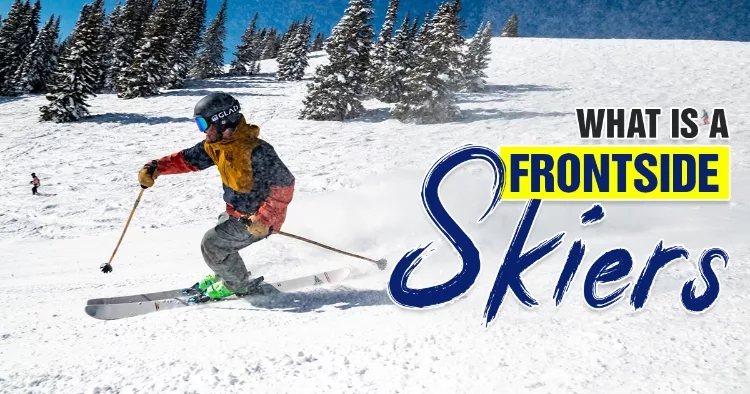
These are not do-everything skis. They don't float in powder, they're not built for moguls, and they have no interest in the terrain park. They exist in a focused niche: the groomed piste, the early-morning corduroy, and the firm, fast runs where clean carving technique pays off. Frontside skis reward skill and punish sloppiness — which makes them one of the most satisfying ski categories once you have the technique to use them correctly.
Whether you're a recreational carver ready to stop renting gear or an intermediate skier looking to genuinely improve, understanding the frontside ski category changes how you shop, how you ski, and what you get out of your time on the mountain. This guide covers the history, the design, the technique, real-world use cases, and what you should budget.
Contents
The Origins of Frontside Skiing
Where the Name Came From
The term "frontside" originated in snowboarding culture, where it described the front-facing side of a terrain feature — the toe-edge side of a turn or jump. As ski equipment marketing borrowed snowboarding vocabulary through the 1990s and early 2000s, "frontside" shifted to describe the accessible, groomed face of the mountain: the prepared runs, the marked trails, and the resort terrain where most people actually ski.
Alpine skiing as a discipline has always centered on groomed terrain, but it took the shaped ski revolution to create a distinct frontside category. Before that, most skis were long, straight, and demanding — there was no separate "groomed terrain specialist" because all skis were essentially the same design with minor variations.
How the Category Evolved
The carving revolution of the mid-1990s changed everything. Shaped skis with pronounced sidecuts made clean carving accessible to recreational skiers for the first time. Suddenly, holding a carved arc didn't require Olympic-level technique. The frontside category emerged as equipment manufacturers pushed that concept further — building skis that did nothing but carve groomed runs, and did it exceptionally well.
- Pre-1990s: 190–210cm straight skis, demanding technique, no distinct frontside category
- Mid-1990s: shaped skis arrive with deeper sidecuts, carving becomes accessible
- 2000s: frontside category solidifies; narrower waists, race-inspired geometry become standard
- Present day: titanal construction, precision camber profiles, and direct race-stock DNA define the top of the category
The evolution reflects what happens when engineers optimize relentlessly for a single purpose. Understanding the physics of skiing helps explain why frontside design choices — stiffness, narrow width, tight sidecut — all point toward the same goal: maximum edge grip and energy return on hard snow.
What Are Frontside Skis: Design Features That Define Them
Waist Width and Sidecut
The waist width of a frontside ski — measured at the narrowest point underfoot — typically runs between 63mm and 82mm. That's significantly narrower than all-mountain skis (80–100mm) and dramatically narrower than powder skis (100mm+). The narrow profile lets the ski tip onto its edge quickly and hold a clean arc without the extra mass that slows edge engagement on hard snow.
Sidecut radius controls turn shape. Frontside skis offer several options depending on how you like to ski:
- Short radius (10–14m): quick, snappy turns — suited to tighter terrain and steeper pitches
- Medium radius (15–20m): versatile arcs for most groomed runs — the sweet spot for recreational carvers
- Long radius (20m+): high-speed GS-style sweeping turns — race-inspired, suited to wide open runs at speed
Most recreational skiers land in the medium range and find it covers the majority of their groomed resort skiing without feeling limiting.
Flex, Construction, and Materials
Frontside skis run firm by design. A stiffer flex transmits your movements directly to the edge, giving you the feedback and power needed to drive clean carves at speed. Soft-flexing skis absorb and dampen your input — great for beginners and powder, but counterproductive when you want to lock into an arc on groomed snow.
| Ski Type | Waist Width | Typical Flex | Best Terrain | Sidecut Radius |
|---|---|---|---|---|
| Frontside / Carving | 63–82mm | Firm to very firm | Groomed piste | 10–22m |
| All-Mountain | 80–100mm | Medium to firm | Groomed + variable | 14–22m |
| All-Mountain Wide | 98–115mm | Medium | Variable + light off-piste | 16–24m |
| Powder | 110mm+ | Soft to medium | Deep snow | 18–28m |
| Race / GS | 60–68mm | Very firm | Groomed race courses | 22–35m |
Construction materials separate mid-range from high-end frontside skis. Many performance-oriented models sandwich titanal (aluminum alloy) layers around a wood core. Titanal dampens vibration at speed and adds stiffness without excessive weight — you feel the difference on rough, chopped-up groomed runs where a softer ski starts chattering. Entry-level frontside skis typically use fiberglass reinforcement instead: lighter on your wallet, slightly less composed at speed.
Before you take frontside skis out, make sure your bindings are correctly set. Use a DIN calculator to dial in the right release values — incorrect DIN settings are a leading contributor to preventable knee injuries.
How to Get the Best Performance from Frontside Skis
Stance and Body Position
Frontside skis demand an athletic, forward stance — there's no hiding from that requirement. You need your shins driving into the front of your boots, your hips stacked over your feet, and your weight centered over the ski's running surface. A collapsed or backseat stance kills edge grip immediately. The ski wants to carve; your job is to stay in position and let it do its work.
Read through the guide on perfecting your ski stance before you take frontside skis out for the first session. Small alignment errors get amplified on a precise, stiff ski in a way they don't on a softer all-mountain setup. Getting your stance right from the start prevents bad habits that are harder to correct later.
- Keep hands forward and slightly out in front of your hips — not behind you
- Drive your knees into the turn rather than leaning your upper body
- Use pole plants to time weight transfers cleanly between turns
- Keep your upper body quiet and facing downhill — let your legs do the rotation
Adapting to Conditions
Frontside skis thrive on firm, groomed corduroy. They're less happy on corn snow — the wet, granular spring surface — or on variable conditions where the groomed surface breaks down across the day. When snow softens, ease off the aggressive edge angle and let the ski run flatter. Forcing a deep carve into soft snow wastes energy and produces sloppy, unpredictable turns.
On icy patches — guaranteed on any busy groomed run — edge angle is everything. Tip the ski onto a higher angle and apply firm, progressive pressure from tip to tail through the arc. Don't stomp; load gradually. A properly tuned frontside ski holds ice far better than a dull all-mountain ski because the narrower waist concentrates edge contact on the snow more precisely.
Equipment condition matters more than most skiers realize. Well-fitted ski socks improve boot feel and reduce fatigue during long groomed days — check out reviews of the best ski socks to find a pair that works with your boot setup. Shin bang — a real problem for aggressive forward-stance skiers — gets worse when socks bunch up or don't pad the right zones.
Frontside Skis in the Real World: Who Uses Them and Why
Recreational Carvers
The largest group of frontside ski users are intermediate to advanced recreational skiers who ski groomed resort terrain, want to improve their carving, and have no particular interest in powder or the park. If that's you, frontside skis are almost certainly the right call.
You get a tool that rewards skill development in a tangible, immediate way. As your technique improves, the ski responds with tighter, more satisfying arcs. You feel the difference between a good run and a great one in a way a softer, more forgiving ski never delivers. Frontside skis make you better because they don't paper over technique errors — they expose them immediately.
If you're planning a resort trip around groomed terrain, explore family ski packages that include equipment rentals. Some rental programs now offer carving-specific frontside setups rather than generic all-mountain boards — that distinction matters more than most skiers realize when you're trying to work on technique.
Racers and Speed-Focused Skiers
At the performance end, frontside skis blur into race equipment. Giant Slalom (GS) skis are essentially the extreme version of a frontside ski: very stiff, very narrow, long, with large-radius sidecuts built for high-speed arcs. Many top recreational frontside skis borrow design elements directly from GS race stock.
- Recreational racers (NASTAR, club programs) favor mid-range frontside skis in the 75–82mm waist range
- Club and junior racers often step into dedicated race skis under 70mm waist width
- Fitness skiers use frontside skis for high-mileage groomed days where edge efficiency matters
- Freeski carvers blend frontside technique with higher-speed open mountain terrain
Higher speeds mean higher stakes. Review the most common ski injuries and understand the causes of skiing accidents before you push frontside skis to their limits. Edge catches and high-speed falls are the primary hazards for aggressive carvers — knowing what causes them helps you avoid them.
Frontside Ski Pricing: What to Expect at Every Budget
Price Tiers Explained
Frontside skis span a wide price range. You can find decent entry-level options under $400, and top-end race-inspired models exceed $1,200 for the ski alone — before bindings, boots, or accessories. Each tier buys you something specific:
- Under $400 (entry-level): Fiberglass construction, softer flex, forgiving sidecut. Good for skiers transitioning from rentals. Rossignol Experience and Salomon S/Max series lead this segment.
- $400–$700 (mid-range): Better core construction, titanal reinforcement in many models, more precise flex patterns. This range covers most recreational carvers comprehensively.
- $700–$1,000 (high-performance): Full titanal layup, race-derived geometry, maximum edge grip and vibration damping. Volkl Racetiger, Head WC Rebels, and Atomic Redster sit here.
- $1,000+ (elite/race): Homologated race stock, maximum stiffness, very limited recreational appeal. Built for club racers and above.
Bindings add another $150–$350 depending on whether you buy a ski-binding package or source them separately. Budget $80–$200 for a professional boot fitting — a poor fit destroys the performance advantage of an expensive frontside ski faster than any other variable.
When and Where to Buy
Timing your purchase saves real money. End-of-season sales in March and April routinely offer 30–50% off current-season frontside skis as retailers clear inventory. Read the full guide on when to buy ski equipment for a complete breakdown of the buying calendar and where the best deals appear.
Demo programs are worth using before you commit to a purchase. Most resorts rent demo frontside skis for $30–$60 per day, and many shops apply that fee toward a purchase. One full day on a specific model tells you more than reading a dozen online reviews — especially with frontside skis, where stiffness and turn radius feel very different across brands even at similar price points.
Frequently Asked Questions
What are frontside skis best used for?
Frontside skis are built for groomed runs and hard-packed snow. They excel at carving precise arcs on prepared piste terrain at resorts and perform best on firm, well-maintained groomed surfaces. They're not designed for powder, moguls, or terrain park use.
How do frontside skis differ from all-mountain skis?
Frontside skis are narrower (63–82mm waist vs. 80–100mm for all-mountain), stiffer, and more precision-focused on edge grip. All-mountain skis trade some carving sharpness for versatility across variable snow, softer conditions, and occasional off-piste terrain.
Are frontside skis suitable for beginners?
No. Frontside skis are stiff and unforgiving by design, which makes them genuinely difficult for beginners to manage. New skiers are better served by softer, wider skis that provide stability and forgive technique errors while foundational skills develop.
What waist width should I choose in a frontside ski?
Most recreational frontside skiers perform well with a 72–82mm waist. Narrower widths (63–72mm) suit racers and very aggressive carvers. Wider options within the frontside range — closer to 80mm — provide slightly more float when groomed conditions soften later in the day.
How long should my frontside skis be?
A good starting point is chin-to-nose height for recreational carvers. Taller and more aggressive skiers often go longer for added high-speed stability. Skiers on the lower end of the skill range within the frontside category typically benefit from going shorter for easier turn initiation.
Do I need specific boots for frontside skis?
You need alpine downhill boots with a flex rating appropriate for your skiing level and body weight. Frontside skiing benefits from boots in the 90–130 flex range — stiffer boots transmit your movements to the ski more directly. A professional boot fitting is strongly recommended before skiing on frontside equipment.
Next Steps
- Audit where you actually ski — if 80% or more of your days are on groomed runs, frontside skis are the right category. Be honest with yourself; many skiers overestimate how much variable terrain they use.
- Book a demo session at your local resort and test at least two frontside ski models back-to-back on the same run. One day on snow tells you more than ten online reviews.
- Get a professional boot fitting before you buy skis — boots drive more of your performance than any other piece of equipment, and a precise fit makes frontside skis dramatically more responsive and comfortable.
- Set your bindings to the correct release values using a DIN calculator as soon as your skis arrive. Incorrect settings are one of the most preventable causes of ski injuries.
- Plan your purchase for end-of-season sales and read through the guide on when to buy ski gear to identify the best windows for saving 30–50% on current-season frontside models.
 |
 |
 |
 |

About Frank V. Persall
Frank Persall is a lifelong skier originally from the United Kingdom who has spent years pursuing the sport across premier resorts in Europe, North America, and beyond. His passion for skiing has taken him from the Alps to the Rocky Mountains, giving him a broad perspective on resort terrain, snow conditions, gear performance across price points, and the practical realities of ski travel with a family. At SnowGaper, he covers ski resort guides, gear reviews, and skiing technique and travel resources for enthusiasts of every level.
You can get FREE Gifts. Or latest free skiing books here.
Disable Ad block to reveal all the info. Once done, hit a button below
|
|
|
|