Tip your ski instructor $10–$20 per student for a group lesson, or 15–20% of the lesson fee for a private session. That's the direct answer to how much to tip ski instructor — no need to guess or ask around awkwardly at the lodge. Whether you're booking beginner lessons for yourself or enrolling your kids in ski school, tipping correctly shows you value the professional coaching you just received. Browse our full library of skiing guides for more expert advice on getting every dollar's worth from your time on the mountain.

Ski instructors are certified professionals who spend full days on the mountain in demanding conditions, coaching everyone from total beginners to skiers pushing into advanced terrain. Their base wages at most resorts don't fully reflect their expertise, and tipping is how the industry makes up the difference. Skip the tip after a solid lesson and you've signaled — without meaning to — that their work didn't matter.
This guide breaks down the exact numbers for every lesson type, explains why tipping matters financially, walks you through the mistakes most skiers make, and shows you how to use instructor relationships to improve faster over multiple seasons. Read it once and you'll never feel uncertain at the mountain again.
Contents
How Much to Tip Your Ski Instructor: The Numbers Broken Down
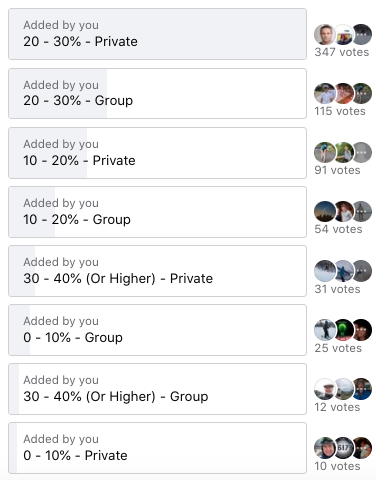
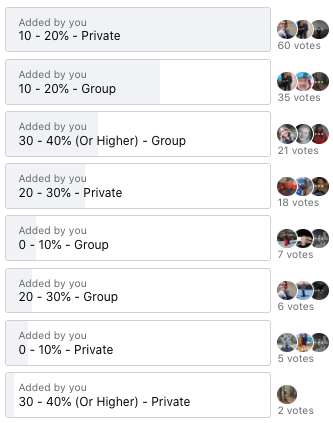
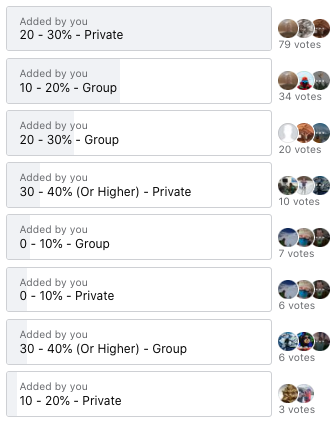
Use these as your baseline. These aren't minimums for exceptional service — they're the standard amounts that experienced skiers and resort insiders consider appropriate. Going lower signals something was wrong with the lesson.
Group Lessons
Group lessons are the most common format at most resorts, particularly for beginners and children in ski school. The key rule: you tip per student, not per group.
- Half-day group lesson (2–3 hours): $10–$15 per student
- Full-day group lesson (5–6 hours): $15–$20 per student
- Kids' all-day ski school: $15–$20 per child, per instructor
If eight students share one instructor for a full-day lesson, each person tips individually. The instructor worked directly with you — the tip should reflect that individual relationship, not some diluted group average.
Private and Semi-Private Lessons
Private lessons are a significant investment. A full-day private at a top-tier resort can run $600–$1,200 or more. The tipping standard mirrors what you'd apply at a high-end restaurant — 15–20% of the lesson cost:
- Half-day private (2–3 hours): 15–20% of the lesson fee, minimum $30
- Full-day private (5–6 hours): 15–20% of the lesson fee, minimum $50
- Exceptional instruction: 20–25% — use this when your instructor went genuinely above and beyond
- Semi-private (2 students): Each student tips 10–15% individually, or split a combined 15–20% tip between you
For context on what you're spending before you factor in tips, check the full breakdown of how much it costs to go skiing — lessons are one of several major expenses to plan for well in advance.
Pro tip: Always bring cash to the mountain. Many instructors strongly prefer it, and resort payment systems rarely allow you to add a tip to a lesson booking after the fact.
Multi-Day Packages
Multi-day lesson packages with the same instructor are common at destination resorts. How you tip depends on the structure:
- Same instructor, multiple days: Tip at the end of the final day based on the full experience — or give a modest amount daily with a larger final sum.
- Different instructors each day: Tip each instructor individually at the end of their session.
- Kids' ski school week programs: If your child had multiple instructors throughout the week, tip each one separately or ask the ski school how they prefer to handle group distributions.
| Lesson Type | Duration | Suggested Tip Per Student | Notes |
|---|---|---|---|
| Group Lesson | Half-day (2–3 hrs) | $10–$15 | Tip individually, not as a shared pool |
| Group Lesson | Full-day (5–6 hrs) | $15–$20 | Kids' ski school: same rate per child |
| Private Lesson | Half-day (2–3 hrs) | 15–20% of lesson fee | Minimum $30 recommended |
| Private Lesson | Full-day (5–6 hrs) | 15–20% of lesson fee | Minimum $50 recommended |
| Semi-Private (2 students) | Half or full day | 10–15% each, or split 15–20% | Coordinate with your partner beforehand |
| Multi-Day (same instructor) | 3+ consecutive days | $20–$30/day or lump sum at end | End-of-stay lump sum is common and appreciated |
If you're managing a family ski trip with multiple lessons across different age groups, the family ski packages guide covers how to structure bookings across a full week so you're not scrambling at the desk on day one.
The Reality of Ski Instructor Pay
Tipping makes far more sense when you understand how ski instruction is actually compensated. The economics are not intuitive — and once you see them, your perspective on how much to tip ski instructor shifts permanently.
How Resort Pay Actually Works
Most ski instructors work seasonally, often as part-time employees. Their wages vary by region, resort tier, and certification level:
- Entry-level instructors: $12–$18/hour at mid-range resorts
- PSIA Level 2–3 certified instructors: $18–$30/hour depending on the resort
- Elite or specialty instructors at premium resorts: $30–$50/hour base rate
Here's what most skiers don't realize: instructors are often only paid when they have a student actively assigned. Gaps in the daily schedule — and there are plenty during slow periods or shoulder season — go unpaid. The Professional Ski Instructors of America (PSIA) certification that most instructors hold requires ongoing clinics, exams, and renewal fees paid entirely out of pocket. Your instructor likely invested thousands in their credentials before they ever stood at the top of a run with a student.
What Tips Mean to an Instructor's Income
When you pay for a lesson, the resort takes the lion's share of that fee. The instructor receives a wage — not a cut of lesson revenue. Tips bypass that split entirely and go directly into their pocket, uncut.
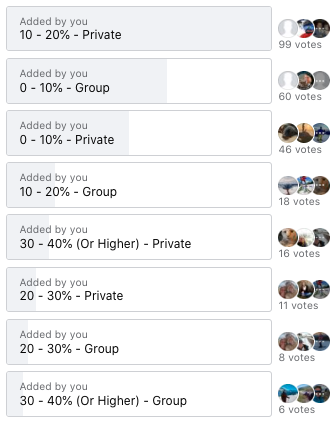
- During peak weeks, tips can represent 25–40% of a ski instructor's total daily take-home pay.
- In early or late season, when lesson volume drops sharply, that percentage climbs even higher — making tip income especially critical during the stretches when instructors are working the hardest just to fill their schedules.
- Instructors who consistently receive strong tips tend to get better scheduling flexibility and preferred client assignments, which feeds directly back into lesson quality for their returning students.
This is also why tipping reflects on you as a client. Instructors remember guests who treated them with professional respect. That memory pays off if you return to the same mountain and want to request a familiar face.
Common Tipping Mistakes to Avoid
Most tipping fumbles come from confusion or poor logistics, not bad intentions. These are the specific errors that cost instructors and make you look uninformed on the mountain.
Timing the Tip Wrong
The end of a lesson can be chaotic — students dispersing, gear to return, the next group warming up nearby. If you haven't prepared, you'll either rush the handoff awkwardly or miss the instructor entirely.
- Have your tip ready before the lesson ends. Keep folded bills in your jacket pocket, not buried in a ski bag or locker.
- For multi-day bookings, decide upfront whether you'll tip daily or wait until the last session. Daily tipping keeps motivation high throughout; a single end-of-stay tip is equally acceptable. Just be consistent.
- When tipping at the end of a kids' ski school day, hand the tip directly to the instructor rather than leaving it at the front desk, where it may disappear into a general pool.
Mishandling the Group Tip
In a group lesson, the most common mistake is pooling one shared tip instead of each student tipping independently. If six adults each tip $15, the instructor earns $90. If they pool $25 "as a group," the instructor takes home a fraction of the expected amount.
- Each participant in a group lesson tips individually. This is the universal standard — the group dynamic doesn't change the individual student-instructor relationship.
- If you're unsure what others in your group plan to do, tip your own amount and don't wait. Most people follow once someone leads.
- For families where one adult covers multiple children in a lesson, tip per child — not one flat amount for the whole family.
Arriving Without Cash
Mountain resorts run almost entirely on cards these days, and it's easy to walk onto the slopes without a single bill in your pocket. Tipping is one of the few areas where cash still dominates.
- Stop at an ATM the day before or on your way to the resort — not after you've arrived and found the on-mountain ATM backed up with a line.
- $20 bills are the most practical denomination. They're clean to hand over, and they don't require the instructor to make change while standing at the base of a run.
- If you genuinely have no cash and there's no desk option, contact the resort after your visit and ask directly how to ensure your instructor receives a gratuity. It's worth the effort.
Warning: Don't ask your instructor for their Venmo or PayPal unless they offer it first — it puts them in an uncomfortable position with their employer, and many resorts explicitly prohibit it.
When to Tip More — and When Less Is Fine
The baseline numbers are a floor, not a ceiling. There are clear situations that call for real generosity — and a few where scaling back is entirely fair. Knowing the difference is part of tipping with confidence.
Moments That Deserve a Bigger Tip
Go above 20% — or add an extra $10–$20 to your standard group lesson tip — in any of these situations:
- Your instructor stayed late or extended run time without being asked or making you feel like an imposition.
- A nervous or reluctant child made a real breakthrough. Finding a way to connect with a scared kid when others might have rushed them along is a skill that deserves recognition.
- You made unexpected, measurable progress. You came in as an anxious intermediate and left comfortably tackling blues or working through your first black diamond. That's a direct result of quality instruction.
- Brutal conditions. Teaching through heavy snowfall, flat light, or sub-zero wind chills is physically miserable. If your instructor maintained energy and focus in terrible weather, that extra tip is well earned. It's also worth understanding what can go wrong on the mountain — reading about the most common ski injuries makes clear how much good coaching matters for your safety.
- Multi-day continuity with genuine investment. If the same instructor tracked your progress across several days, adjusted their approach to your style, and clearly prepared for each session, tip at the higher end of the range or above it.
Situations Where a Smaller Tip Is Reasonable
There are legitimate reasons to tip below the standard range — but "less" still means something, not nothing.
- The lesson started significantly late through no fault of your own, with no time made up at the end.
- The instructor was visibly disengaged — distracted, frequently off on their own, or rushing through content without attention to your specific level or needs.
- Safety was handled poorly. If your instructor pushed you or someone in your group onto terrain that wasn't appropriate for your ability level, a reduced tip is a fair signal. You can also flag the issue with the ski school directly — they take these reports seriously.
- Budget constraints. If the lesson stretched your finances, tip what you can — $5 per student is better than zero — and look for ways to reduce the overall cost of your next trip. Our guide on discount ski vacations covers the smartest ways to cut costs without cutting corners on the experience.
The one firm rule: never skip the tip entirely unless the lesson was genuinely harmful or you need to escalate a safety issue. Zero communicates something very pointed — make sure that's the message you intend to send.
Building a Long-Term Relationship With Your Instructor
If you ski the same mountain regularly, the instructor relationship is one of the highest-leverage investments you can make in your skiing development. Tipping well is the foundation — but there's a full strategy behind it.
Requesting the Same Instructor Repeatedly
Most resorts allow you to request a specific instructor by name when booking. This is worth doing for several reasons:
- A returning instructor already knows your strengths, weaknesses, and how you respond to coaching cues. You skip the 30-minute assessment and get straight into meaningful work from the first run.
- Instructors who are consistently requested earn better scheduling priority. Your request directly benefits the people you want to work with.
- At the end of a season or after a multi-week program, a small thank-you gift alongside your tip — coffee, a resort gift card, a set of ski wax — signals that you see them as a professional, not just a service provider.
Consistent coaching compounds faster than one-off lessons. If you're working to lock in proper fundamentals, read through the tips for the perfect ski stance — knowing what you're aiming for between lessons helps you make better use of your instructor's time on the mountain.
Booking Smart to Maximize Your Investment
Tipping well is part of a broader strategy for getting real value from ski instruction. A few other factors matter just as much:
- Book morning lessons over afternoon slots. Instructors are fresher, snow conditions are better, and grooming is at its peak in the first half of the day.
- Avoid peak holiday weeks for lessons if you can. Instructor availability is stretched thin, larger group sizes become more common, and you're more likely to end up with someone who has less availability for individualized feedback.
- Factor the tip into your total lesson budget from the start. Treating it as a surprise expense at the end of the day leads to under-tipping. If you're also renting gear, see our breakdown of ski rental costs so you have a complete picture before you arrive.
- Prepare for altitude if you're traveling to a high-elevation resort. Fatigue at altitude can cut your lesson short or compromise your focus when you're trying to absorb feedback. Our guide on preparing for high-altitude skiing covers acclimatization strategies that keep you sharp through a full lesson day.
Instruction is one of the smartest ways to spend money in skiing. A great instructor compresses years of self-taught progression into a handful of focused sessions. Tipping well is how you make sure that relationship continues season after season.
Frequently Asked Questions
How much should you tip a ski instructor for a private lesson?
Tip 15–20% of the lesson fee for a private ski instructor. On a $400 half-day private, that's $60–$80. On an $800 full-day session, plan for $120–$160. If your instructor delivered genuinely exceptional results, tipping up to 25% is appropriate and will be noticed and remembered.
Do you tip ski instructors in Europe?
Tipping customs vary across Europe. In France, Austria, and Switzerland, tipping ski instructors is appreciated but not as rigidly expected as in North America — €5–€20 per session is a common range. In some regions the culture around tips is more relaxed, but a modest tip is always welcome and never offensive wherever you ski.
Should you tip your ski instructor at the end of every day or at the end of a multi-day package?
Either approach works. If you have the same instructor for multiple consecutive days, tipping at the end of the final session with a single lump sum is the most common method. If different instructors teach on different days, tip each one individually at the end of their session — don't wait until the end of the trip to tip an instructor you saw only once.
Is tipping a ski instructor actually expected?
Yes — in North America, tipping ski instructors is a standard professional expectation, not an optional gesture. Instructors are service professionals who rely on tips to supplement modest base wages. Skipping the tip entirely after a solid lesson signals disrespect and, if you return to the same mountain, will be remembered by the people you want on your side.
How much should you tip a ski instructor at a luxury resort?
The 15–20% formula still applies at luxury or premium resorts, even though the base lesson fee is much higher. On a $1,000 full-day private, that puts your tip at $150–$200. Instructors at top-tier resorts typically hold advanced certifications and deliver a measurably higher caliber of coaching — tipping at the full 20% is appropriate and expected.
Can you tip a ski instructor with a card instead of cash?
At most resorts, cash is still the preferred and most reliable method for tipping instructors. Some larger resorts now offer a gratuity option when booking or at the lesson desk, but this varies widely. If you have no cash and no desk option, contact the resort after your visit and ask specifically how to ensure your instructor receives your tip — the extra step is worth it.
Final Thoughts
Now that you know exactly how much to tip ski instructor in every scenario — from a half-day group lesson to a week-long private program — you can walk away from every lesson with confidence rather than second-guessing yourself at the base lodge. Bring cash, decide your amount before the final run, and tip at the standard range or above when your instructor earns it. Book your next lesson with a specific instructor in mind, request them by name, and start building a coaching relationship that pays off across every season you ski.
 |
 |
 |
 |

About Frank V. Persall
Frank Persall is a lifelong skier originally from the United Kingdom who has spent years pursuing the sport across premier resorts in Europe, North America, and beyond. His passion for skiing has taken him from the Alps to the Rocky Mountains, giving him a broad perspective on resort terrain, snow conditions, gear performance across price points, and the practical realities of ski travel with a family. At SnowGaper, he covers ski resort guides, gear reviews, and skiing technique and travel resources for enthusiasts of every level.
You can get FREE Gifts. Or latest free skiing books here.
Disable Ad block to reveal all the info. Once done, hit a button below
|
|
|
|