The best time to buy ski equipment is late winter through early spring — roughly February through April — when ski shops and online retailers cut prices by 30–60% to clear seasonal stock. That's the direct answer. If you want the full strategy — exact timing windows, where to shop, how much things cost, and how to avoid common mistakes — this guide has everything you need. For more gear advice, check out our full skiing resource hub.

Ski gear pricing isn't random. It follows a predictable seasonal cycle built around retail restocking, consumer demand, and end-of-season clearance. Once you understand the cycle, you can time your purchases to get the same gear for dramatically less money. A pair of skis priced at $700 in October can drop to $350 by March — same shop, same item, half the price.
Whether you're gearing up for your first season or replacing a quiver of worn-out equipment, the timing and location of your purchase matters as much as the brand you choose. This guide breaks it all down so you can shop with confidence and stop leaving money on the table.
Contents
Smart Rules for Buying Ski Equipment Without Overpaying
Before you start shopping, a few ground rules will save you from the most common and expensive mistakes skiers make. These aren't optional tips — they're the foundation of smart gear buying.
Set a Budget Before You Browse
Ski gear is seductive. You walk into a shop planning to spend $400 and walk out $900 lighter. Set your ceiling before you look at a single product page. Decide what you're spending on each category — skis, boots, bindings, outerwear — and hold the line.
- Write the number down and keep it visible while shopping.
- Budget boots first. They're the most important purchase and the one you should spend the most on.
- Leave 10–15% buffer for accessories you forgot to account for.
Know What You Actually Need
Are you a beginner who skis five days a season, or an intermediate skier targeting 30+ days? Your skiing frequency and ability level should dictate your gear tier. Buying performance gear you can't use is just expensive decoration.
- Beginners: Mid-range or even previous-season gear is more than enough.
- Intermediates: Look for last season's models from reputable brands — huge savings, no real sacrifice.
- Advanced/expert skiers: Current-season performance gear may genuinely be worth full price.
Pay particular attention to boots — they affect your control more than any other piece of equipment. If you have wide feet, our guide to the best ski boots for wide feet covers what to look for and which models are actually worth your money.
Don't Buy Everything at Once
Stagger your purchases across different windows. Clearance timing varies by category. Outerwear often goes on sale earlier than hard goods (skis, boots, bindings). Splitting your shopping across multiple sales periods lets you hit the best window for each item type.
Pro tip: Add items to your cart and check back weekly during the January–April window — prices drop incrementally, and you'll see exactly when a sale hits without having to revisit every retailer manually.
The Best Time to Buy Ski Equipment — And When to Avoid It
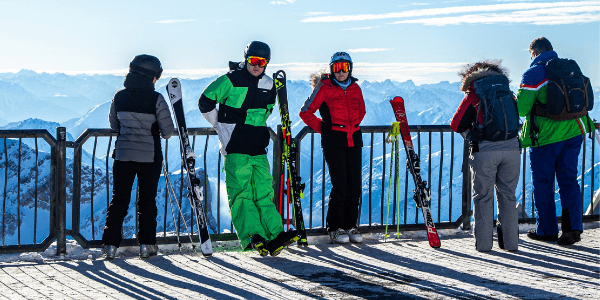
The best time to buy ski equipment depends on whether you're prioritizing selection or savings. These two goals pull in opposite directions. More selection means shopping early. Better prices mean shopping late. Here's how each window breaks down.
Peak Buying Windows
There are four distinct periods when ski gear goes on sale. Each has its own tradeoffs.
| Window | Typical Discount | Selection | Best For |
|---|---|---|---|
| Pre-season (August–October) | 10–20% | Excellent — full sizes and colors | Shoppers who need specific models or sizes |
| Holiday sales (November–December) | 15–25% | Good — some popular sizes selling out | Early-season shoppers who catch Black Friday deals |
| Mid-season (January–February) | 20–35% | Moderate — gaps in popular sizes | Flexible shoppers willing to dig a bit |
| End-of-season (March–April) | 30–60% | Limited — mostly remaining inventory | Shoppers willing to wait for maximum savings |
The end-of-season window is where the real money is. Shops need floor space for next season's stock. They'll discount aggressively — especially on last year's ski models, outerwear, and accessories. If your size and preferred style are still in stock, this is your moment.
According to Wikipedia's overview of ski equipment, a complete alpine (downhill) ski setup includes skis, bindings, boots, and poles — and all four categories go through the same seasonal markdown cycle.
Times to Avoid
Just as important as knowing when to buy is knowing when to stay away. Avoid shopping during these windows unless you have no choice:
- October through mid-November: New season inventory is fresh. Retailers have no pressure to discount. Full retail prices are the norm.
- Right before a trip: Desperation shopping is expensive shopping. You'll pay whatever's available.
- Peak holiday weekends: Black Friday draws crowds and creates urgency — useful for clothing deals, but don't rush into a major hard-goods purchase without proper research.
Warning: Avoid buying ski boots under time pressure — fit matters more than price, and a rushed boot purchase can ruin every day on the mountain.
How to Find and Buy Ski Gear at the Best Price
Timing alone won't get you the best deal. You also need a repeatable process to find, evaluate, and pull the trigger on the right gear. Here's how to do it from start to finish.
Step-by-Step Shopping Process
- Research models in August. Identify 2–3 target items per category before any sale season starts. Know the model names, your required sizes, and the full retail price.
- Set price alerts. Use tools like Google Shopping or CamelCamelCamel (for Amazon listings) to track price drops automatically. You'll get notified the moment a target item goes on sale.
- Demo before you buy skis. Most ski resorts offer demo programs. Try a ski model before committing — this is especially important for performance-oriented purchases.
- Buy boots in person. Always. Ski boot fit is complex. Your foot width, instep height, calf circumference, and flex preference all matter. A boot fitter at a specialty shop will save you pain and money long-term.
- Compare at least three sources. Online retailers, local ski shops, and manufacturer direct sales all operate on different discount schedules. The same item can vary significantly in price across channels on the same day.
- Check return policies before buying online. Outerwear is returnable almost everywhere. Ski boots bought online are much harder to return if the fit is wrong — be cautious.
- Pull the trigger when your target price hits. Don't wait for a mythical deeper discount. If an item is 40% off and in your size, buy it. Waiting for 50% off risks losing your size entirely.
Where to Look
You have more options than most skiers use. Branch out from the obvious channels:
- Local ski shops: Best for boots, boot fitting, and local knowledge. Price-match policies are common — ask.
- Online specialty retailers: Competitive on hard goods and outerwear. Wide selection, especially during clearance windows.
- Manufacturer direct: Brands like Salomon, Rossignol, and K2 run their own end-of-season sales. Sometimes the deepest discounts are found here.
- Ski swaps: Community events, often organized by ski clubs or resorts, where skiers sell used gear. Excellent for finding bargains on gently used skis and poles.
- Consignment shops: Near major ski resorts, these shops cycle through high-quality used gear regularly. Worth checking in October before the season ramps up.
- Facebook Marketplace and Craigslist: Solid for used skis, poles, and outerwear. Never buy used boots this way — see the section below on what not to buy used.
If you're also in the market for high-quality outerwear, take a look at our roundup of the best ski clothing brands — it covers which labels offer the best value across different price points.
What Ski Equipment Costs and How to Budget Wisely
Here's the reality: a complete beginner setup bought at full retail is expensive. But you don't have to pay full retail, and you don't have to buy everything at once. Understanding the cost landscape helps you prioritize where to spend and where to save.
Gear Cost Breakdown
The ranges below reflect full retail pricing. End-of-season discounts can bring each category down by 30–50%.
| Gear Category | Entry-Level | Mid-Range | High-Performance | Priority Level |
|---|---|---|---|---|
| Ski boots | $200–$350 | $350–$600 | $600–$1,200+ | Highest — fit drives everything |
| Skis (without bindings) | $250–$400 | $400–$700 | $700–$1,500+ | High — matched to ability and terrain |
| Bindings | $100–$150 | $150–$300 | $300–$600+ | High — safety-critical component |
| Ski jacket | $100–$200 | $200–$400 | $400–$900+ | Medium — warmth and waterproofing matter |
| Ski pants | $80–$150 | $150–$300 | $300–$700+ | Medium — can layer cheaper options |
| Helmet | $60–$120 | $120–$250 | $250–$500+ | High — safety, never compromise fit |
| Goggles | $40–$80 | $80–$180 | $180–$350+ | Medium — lens quality affects visibility |
| Ski poles | $25–$60 | $60–$120 | $120–$300+ | Low — easy to buy used or entry-level |
Budget vs. Premium
The case for mid-range gear is strong for most recreational skiers. Here's where the logic lands:
- Boots: Never cheap out here. An ill-fitting $150 boot is a liability. Spend what you need to get a properly fitted mid-range or higher option.
- Skis: Last season's mid-range ski from a reputable brand performs identically to this season's equivalent. The "new model" is mostly marketing.
- Outerwear: This is where budget options make the most sense. A $150 jacket with decent waterproofing will serve most skiers fine. Save your budget for hard goods.
- Helmet and goggles: Mid-range is the sweet spot. Budget helmets meet safety standards — just check the certification (look for ASTM F2040 or EN 1077). Premium goggles are worth considering for lens quality if you ski in variable conditions.
Buying New vs. Used Ski Equipment
Used gear can cut your costs in half. But not every piece of ski equipment is safe or smart to buy secondhand. Know the difference before you browse.
Advantages of Buying New
- Full warranty coverage on defects and materials.
- No hidden wear or damage to inspect and second-guess.
- Current safety standards and certifications confirmed.
- Boot liner is unbroken — it molds to your specific foot, not a previous owner's.
- Access to manufacturer support, adjustments, and recall notices.
Advantages of Buying Used
- Price. Used skis from a ski swap can be 40–70% cheaper than new equivalents.
- Lightly used gear from a casual skier may have very little real wear.
- Great option for kids who outgrow gear quickly — you're not paying premium for something they'll use one season.
- Poles, bags, and accessories are almost always fine to buy used.
If you're shopping for children's gear specifically, the same logic applies to snowboard equipment — check our guide to the best snowboards for kids for sizing tips and what to look for when buying secondhand boards for young riders.
What to Never Buy Used
Some gear categories are never worth the risk secondhand:
- Ski boots: The liner compresses and molds permanently to the previous owner's foot. You cannot accurately assess internal damage to the shell. Buy new, buy fitted.
- Helmets: Any helmet that has taken a significant impact should be retired — and you cannot see internal damage. Unless you know the exact history, skip it.
- Bindings older than 10 years: Binding release systems degrade with age and use. An old binding that doesn't release properly in a fall is a serious injury risk.
Frequently Asked Questions
When is the absolute cheapest time to buy ski equipment?
The cheapest window is end-of-season clearance, typically late March through April. Discounts of 40–60% on skis, outerwear, and accessories are common during this period as retailers clear inventory before summer. The tradeoff is reduced selection — popular sizes and colors sell out first.
Is it better to buy ski gear online or at a local shop?
It depends on the item. Buy ski boots exclusively in person at a shop with a trained boot fitter — fit is too important and too personal to guess online. For skis, bindings, outerwear, and accessories, online retailers are competitive and offer wide selection, especially during clearance sales. Always check the return policy before buying hard goods online.
Can you get good deals on ski gear during Black Friday?
Yes, but they're better for outerwear and accessories than for skis and boots. Black Friday deals are real, typically 15–25% off, but end-of-season clearance still beats them on price. Black Friday is worth shopping if you need specific clothing items or accessories and don't want to risk running out of your size by March.
Is it worth buying last season's ski models?
Absolutely. Ski technology evolves slowly. A ski model from one season ago performs identically on the mountain to the current version in nearly every case. The differences between model years are typically cosmetic or involve minor tweaks that recreational skiers won't notice. Last season's models are where you find the best value in the entire ski gear market.
The mountain doesn't know what you paid for your gear — but your bank account will thank you every time you wait for the right window to buy.
 |
 |
 |
 |

About Frank V. Persall
Frank Persall is a lifelong skier originally from the United Kingdom who has spent years pursuing the sport across premier resorts in Europe, North America, and beyond. His passion for skiing has taken him from the Alps to the Rocky Mountains, giving him a broad perspective on resort terrain, snow conditions, gear performance across price points, and the practical realities of ski travel with a family. At SnowGaper, he covers ski resort guides, gear reviews, and skiing technique and travel resources for enthusiasts of every level.
You can get FREE Gifts. Or latest free skiing books here.
Disable Ad block to reveal all the info. Once done, hit a button below
|
|
|
|