My first ski trip was a disaster — not because of the terrain, but because of what I wore. I packed a cotton hoodie, borrowed a thin fleece, and figured that would be enough for a full day on the mountain. By lunchtime, I was soaked through and shivering at the lodge. Getting your ski resort outfit essentials right is the single biggest factor in how your day on the mountain goes. Whether you're visiting one of the major ski resorts or a smaller local hill, the right clothing setup makes everything else easier.
![What To Wear To A Ski Resort [Essential Outfit Checklist]](http://s.snowgaper.com/static/user_img/20210909/1631294306397907.webp)
Dressing for the slopes is different from bundling up for a cold walk to the car. Conditions at elevation shift quickly — a calm, sunny morning can turn into a wind-driven whiteout within an hour. Your clothing needs to manage moisture from sweat, block wind and snow, and still let you move freely through every turn.
This guide gives you a layer-by-layer checklist, a side-by-side comparison of your key gear decisions, and a look at the mistakes most skiers make before they even clip into their bindings. By the end, you'll know exactly what to pack and what to leave at home.
Contents
Your Ski Resort Outfit Essentials: The Non-Negotiables
The core of any ski resort outfit essentials checklist comes down to three layers. Each one has a specific role, and skipping one — or picking the wrong material — creates a weak point in your whole system.

Base Layer — The Foundation Against Your Skin
Your base layer does one job: move moisture away from your skin so it can evaporate. When you ski hard, you sweat. A wet base layer chills you fast, especially the moment you stop moving at the top of a lift.
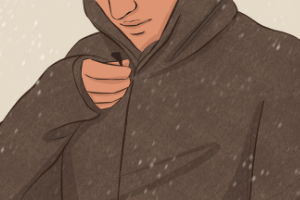
What to look for in a base layer:
- Material: Merino wool or synthetic (polyester) only. Never cotton — it absorbs moisture and holds it against your skin.
- Fit: Snug but not restrictive. It should sit close to your body without bunching up under your jacket.
- Coverage: Top and bottom both. A full thermal set keeps your core and legs insulated without adding bulk.
- Weight: Lightweight for warmer spring days; midweight for cold, deep-winter conditions.
Merino wool is widely regarded as the premium choice — it regulates temperature, resists odor, and feels soft against skin on long days. Synthetic options are more affordable and dry slightly faster. Either performs well on the mountain.
Mid Layer and Outer Shell
Once your base layer is sorted, add a mid layer for insulation and an outer shell for protection against the elements.
Mid layer options:
- Fleece jacket — breathable, warm, and easy to stuff into a backpack when the sun comes out
- Down or synthetic insulated vest — adds core warmth without restricting your arm movement on the slopes
- Light softshell jacket — works well on mild days when a full insulating layer would be too much
Outer shell checklist:
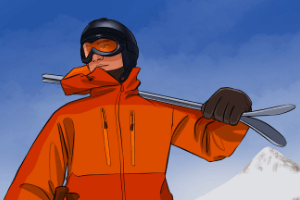
- Waterproof and windproof rating — look for at least 10,000mm water column for a full day of skiing
- Sealed or taped seams to prevent moisture entry at every stitch point
- Underarm vents (pit zips) to dump heat when you're working hard on steep terrain
- Powder skirt inside the jacket to block snow from riding up on falls
- Reinforced seat and knees on ski pants for abrasion resistance over time
- Suspenders or adjustable waistband to keep your pants in place through deep powder runs
If you're comparing pant styles and fit, our guide to the best cross-country ski pants covers performance options across different cuts that also apply to resort skiing.
Accessories and Extras You Shouldn't Skip
Your three-layer system handles your core and limbs, but the accessories are where most first-timers cut corners. These items complete your full set of ski resort outfit essentials — and they deserve just as much thought as your jacket choice.
Eye and Head Protection
Your eyes and head take the most direct exposure on the mountain. Wind, UV reflection off the snow, and cold air combine to make proper protection essential from the moment you step off the lift.
- Ski helmet: Strongly recommended at all skill levels. Modern helmets are light, ventilated, and designed to work seamlessly with your goggles. They also keep your head warmer than a hat.
- Ski goggles: Lens tint matters — variable light or overcast days call for a brighter, low-light lens. Our breakdown of the best goggles for flat light conditions is worth reading if your resort frequently sees overcast skies.
- Balaclava or neck gaiter: Fills the gap between your helmet and jacket collar. On windy days, this is the difference between a good run and a painful one.

Hands, Feet, and Neck
Cold extremities end ski days early. Getting these right is just as important as your jacket choice — sometimes more so.
Hands:
- Waterproof gloves or mittens with wrist gaiters to block snow entry
- Liner gloves underneath for extra warmth on especially cold days
- Wrist guards are worth considering if you're a beginner — falls onto outstretched hands are one of the most common skiing injuries
Feet and socks:
- Dedicated ski socks — tall, thin, and made from merino or a synthetic blend
- One pair only — doubling up creates pressure points and reduces circulation inside ski boots
- Make sure your socks reach your calf to prevent the boot cuff from digging in during the day
Pro tip: Tuck your base layer pants into your ski socks before putting your boots on — it prevents bunching that can cut off circulation at the ankle.
Ski Clothing Options at a Glance
Once you understand the layering system, you'll face a few gear decisions where two equally valid options exist. Here's a quick breakdown of the most common ones you'll encounter when assembling your ski resort outfit essentials.
Jacket and Pants vs. One-Piece Suit
| Feature | Jacket + Pants | One-Piece Suit |
|---|---|---|
| Adjustability | Layer each piece independently | Fixed warmth — harder to adjust mid-day |
| Snow entry | Gap at waist (mitigated by powder skirt) | No gap — fully sealed system |
| Bathroom break | Easy and fast | Requires near-full undress |
| Versatility | Jacket wears well off the slopes | Resort use only |
| Best for | All-day skiers, varied conditions | Racers, powder days, extreme cold |
| Price flexibility | Buy each piece separately over time | Single purchase, less flexibility |
Gloves vs. Mittens
This debate comes down to warmth versus dexterity:
- Gloves: Better dexterity for pole grip, buckle adjustments, and touching your phone without removing them. Slightly cooler than mittens in extreme conditions.
- Mittens: Fingers share heat, making them noticeably warmer in severe cold. Most experienced cold-weather skiers default to mittens when temperatures drop.
- Lobster mittens: A practical hybrid — the two-finger design gives you some dexterity while keeping fingers grouped for extra warmth.
Your choice will often depend on the typical temperatures at your home resort and how much you rely on pole technique during your runs.
Outfit Mistakes That Can Ruin Your Day on the Slopes
Even experienced skiers fall into a few predictable traps. Knowing what to avoid is just as valuable as knowing what to bring.
Fabric Errors and Overdressing
The single biggest mistake skiers make with their ski resort outfit essentials is choosing the wrong fabric — specifically anything that contains cotton.
What to avoid:
- Cotton base layers: Absorbs sweat and holds it against your skin. In cold conditions, wet cotton drives rapid heat loss — a core risk factor in hypothermia from cold exposure.
- Jeans as ski pants: No waterproofing, no insulation, and zero flexibility. They soak through within minutes of a fall.
- Overdressing: Too many layers under a non-vented shell traps sweat, soaks your mid layer, and strips it of its insulation value entirely.
- Tight base layers with thick seams at pressure points — these create hotspots inside ski boots or under helmet straps during long days.
Also worth noting: a back injury from a fall can end your trip quickly. A proper back protector adds meaningful protection without restricting movement — our review of the best back protectors for skiing and snowboarding covers options across different price points and activity levels.
What to Wear Off the Slopes
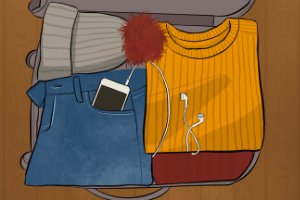
Après-ski and lodge time have their own dress code — more relaxed, but still practical for a cold mountain environment.
- Warm, insulated après boots or waterproof snow boots for walking between buildings and across icy parking lots
- Casual layers: a fitted thermal top, jeans or ski leggings, and a warm mid-layer fleece or sweater
- A down jacket or insulated vest for outdoor fire pits and open terraces
- A dry pair of socks — always pack a spare set for after skiing, because your ski socks will be damp
- A beanie or warm knit hat once your helmet comes off for the day
Most resort villages run from casual to smart-casual in the evenings. Unless you're headed to a fine-dining restaurant, a clean base layer top and your mid-layer fleece will get you through most lodge situations without feeling out of place.
Keeping Your Ski Clothes in Peak Condition
Ski clothing is a real investment — a good jacket and pants can last a decade or more with proper care. Most skiers skip this entirely and end up with gear that loses its waterproofing after a single season.
Washing and Drying Your Outerwear
The DWR (Durable Water Repellent) coating on your ski jacket is what makes water bead off the fabric surface instead of soaking in. Washing incorrectly strips it; washing correctly restores it.
Step-by-step wash routine:
- Check the care label — most technical ski jackets use a front-loading washer on a gentle, cold-water cycle.
- Use a technical fabric cleaner like Nikwax Tech Wash instead of regular laundry detergent.
- Rinse thoroughly — soap residue left in the fabric clogs the membrane's breathability pores.
- Tumble dry on low heat — heat reactivates the DWR coating that washing partially deactivates.
- If water stops beading after washing, apply a spray-on DWR treatment and tumble dry again to restore performance.
What to avoid:
- Fabric softener — it destroys waterproof coatings and blocks membrane breathability permanently
- High-heat drying cycles — damages the membrane layer and melts seam tape
- Dry cleaning — solvents break down the technical fabrics and coatings
- Washing too frequently — once or twice per season is usually enough unless your jacket is heavily soiled
Storing Between Seasons
How you store your ski clothing matters almost as much as how you wash it.
- Clean everything before putting it away — body oils, sunscreen residue, and salt deposits degrade fabric performance over months of storage
- Store in a cool, dry location away from direct sunlight — UV exposure weakens technical fabrics and fades colors over time
- Hang jackets and pants rather than folding — compressed folds weaken down or synthetic insulation fill after extended storage
- Keep helmet straps loose and store the helmet on a shelf, not crammed into a bag
- Inspect seam tape at the start of each new season — re-taping early is far cheaper than replacing a jacket
Common Ski Outfit Myths Worth Ignoring
There's a surprising amount of bad advice circulating about what to wear on the mountain. Some of it comes from inexperienced skiers, some from outdated guidance that hasn't caught up with modern technical fabrics. Here are the ones worth questioning before your next trip.
Myths About Layering and Warmth
Myth: More layers always means warmer.
More layers mean more bulk — and bulk restricts movement while trapping sweat inside your system. Two well-chosen technical layers almost always outperform four random ones. The goal isn't volume; it's the right function at each layer.
Myth: Thick socks keep your feet warm in ski boots.
Thick socks create pressure points inside a snug boot, reducing circulation — which is what actually warms your feet. Thin, purpose-built ski socks outperform thick woolly ones in real conditions every time.
Myth: Any waterproof jacket works for skiing.
A rain jacket rated for 5,000mm won't hold up to a full day of sitting in wet snow and falling on wet powder. Look for ski-specific ratings of 10,000mm or higher, paired with matching breathability ratings. A jacket that can't breathe soaks you from the inside out through condensation buildup.
Myths About Renting Gear at the Resort
Myth: You can rent everything you need at the resort.
Resorts rent skis, poles, and boots — not clothing. You cannot borrow a base layer or a waterproof jacket at a rental shop. Every piece of your ski resort outfit essentials has to come with you from home.
Myth: Resort rental boots fit well enough.
Rental ski boots are set to a neutral fit for average feet across many users. If you ski regularly, owning your own boots — properly fitted by a trained boot fitter — makes a significant difference in comfort, control, and foot health across a full day.
Myth: You can layer up with whatever you have at home.
Most households don't own technical base layers, waterproof ski pants, or purpose-built ski socks. Assembling your kit from whatever's in your closet usually means a wet, cold, uncomfortable day on the slopes. The investment in proper gear pays off across every trip you take afterward.
Frequently Asked Questions
What are the most important ski resort outfit essentials for a beginner?
Start with a moisture-wicking base layer (merino wool or synthetic — never cotton), a waterproof ski jacket and pants, ski-specific socks, insulated waterproof gloves, a helmet, and ski goggles. These seven items form the foundation of a functional ski outfit. Everything else is secondary until you have these covered.
Can I wear regular snow pants to a ski resort instead of ski pants?
You can, but ski-specific pants include features that general snow pants lack — reinforced knees, integrated boot gaiters, higher waterproof ratings, and better articulation through the knee for skiing movement. If you ski more than a few days per season, dedicated ski pants are worth the upgrade.
How many layers do you actually need when skiing?
Three layers is the standard setup: a moisture-wicking base layer, an insulating mid layer, and a waterproof outer shell. Some skiers drop the mid layer on warm spring days or add a heavier one in extreme cold. It's more about choosing the right materials at each layer than stacking the maximum number of layers.
What should I wear off the slopes at a ski resort in the evening?
A clean mid layer or sweater, jeans or ski leggings, insulated après boots, and a down jacket for outdoor time covers most resort settings. Most village venues run casual to smart-casual. You don't need to pack a separate formal outfit unless you're planning a specific fine-dining occasion.
Do I need a helmet for skiing at a resort?
Most resorts strongly encourage helmets and require them for children in ski school programs. For adults, helmets provide meaningful impact protection in falls and collisions with other skiers or fixed objects. Modern ski helmets are light, ventilated, and built to integrate with your goggles — there's no real performance drawback to wearing one.
How do I restore the waterproofing on my ski jacket?
Wash the jacket with a technical cleaner like Nikwax Tech Wash and tumble dry on low heat — the heat reactivates the existing DWR coating. If water still doesn't bead off after that, apply a spray-on DWR treatment such as Nikwax TX.Direct and tumble dry again. Avoid fabric softener and high-heat cycles, which permanently degrade the coating.
The right outfit doesn't just keep you warm — it keeps you on the mountain longer, and that's where every memorable run actually happens.
 |
 |
 |
 |

About Frank V. Persall
Frank Persall is a lifelong skier originally from the United Kingdom who has spent years pursuing the sport across premier resorts in Europe, North America, and beyond. His passion for skiing has taken him from the Alps to the Rocky Mountains, giving him a broad perspective on resort terrain, snow conditions, gear performance across price points, and the practical realities of ski travel with a family. At SnowGaper, he covers ski resort guides, gear reviews, and skiing technique and travel resources for enthusiasts of every level.
You can get FREE Gifts. Or latest free skiing books here.
Disable Ad block to reveal all the info. Once done, hit a button below
|
|
|
|