Picture this: you've just landed in Innsbruck with two kids in tow, a ski bag, and a budget that needs to stretch across a full week on snow. It sounds tight — but plenty of families pull it off every season by choosing the right destinations. Finding the best austrian ski resorts for families budget-conscious travelers is genuinely achievable if you know where to look. Explore the full ski resorts guide for more destination ideas beyond Austria.
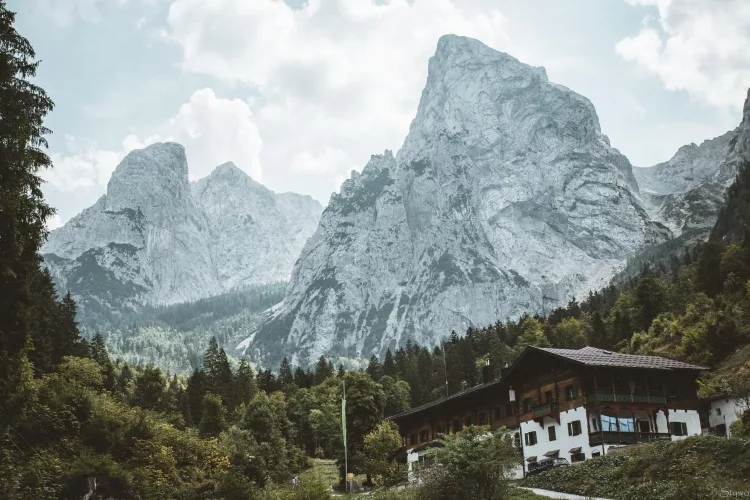
Austria sits in a sweet spot between world-class Alpine terrain and everyday affordability. Compared to the Swiss giants or France's big-name mega-resorts, Austrian destinations consistently offer more competitive lift pass pricing, welcoming ski schools built around children, and a family culture that doesn't charge a premium for every cup of hot chocolate. That's not a small thing when you're managing kids, gear rentals, and après-ski on a real budget.
This guide focuses on five resorts that deliver genuine value without sacrificing the experience: Ellmau, St. Johann in Tirol, Seefeld, Flachau, and Lermoos. All five are strong candidates for austrian ski resorts for families on a budget, and each has a distinct character worth understanding before you book.
Contents
- How These Five Austrian Resorts Stack Up
- Smart Ways to Spend Less at Austrian Ski Resorts for Families on a Budget
- Planning Your Austrian Family Ski Holiday the Right Way
- Matching the Right Resort to Your Family's Skill Level
- When Your Trip Hits a Snag: Solving Common Problems
- Keeping Your Gear in Shape for the Mountain
- Frequently Asked Questions
- Next Steps
How These Five Austrian Resorts Stack Up
Before picking a destination, it helps to see the options side by side. The table below gives you a quick reference — use it as a starting point, not a final verdict.
| Resort | Region | Skiable Terrain | Best For | Budget Level |
|---|---|---|---|---|
| Ellmau | Tyrol (SkiWelt) | 284 km (ski area) | Mixed families, beginner to intermediate | Moderate |
| St. Johann in Tirol | Tyrol | ~40 km | Young families, first-timers | Low |
| Seefeld | Tyrol | 30 km alpine + 270 km XC | Relaxed skiers, cross-country | Moderate |
| Flachau | Salzburg (Ski amadé) | 760 km (ski area) | Intermediate to advanced families | Moderate |
| Lermoos | Zugspitz Arena, Tyrol | 135 km (ski area) | Beginners, scenic skiing | Low |
Pro tip: Always verify whether your lift pass covers the full ski area or just the base resort — this single factor can dramatically change the value you're actually getting.
Reading Beyond the Numbers
Flachau and Ellmau both sit within massive interconnected ski areas — Ski amadé and SkiWelt respectively — so a single pass unlocks far more terrain than their local run counts suggest. Lermoos feeds into the Zugspitz Arena, offering solid variety at a price well below the headline Tyrolean resorts. St. Johann and Seefeld are genuinely smaller. For families with younger kids, that's often a feature, not a flaw: shorter lift queues, fewer intimidating fast skiers, and easier navigation.
Individual Resort Profiles
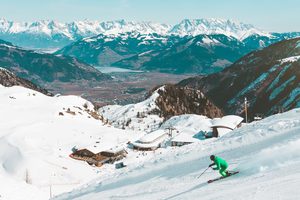
Ellmau is part of the SkiWelt — one of Europe's largest ski areas — but the village itself stays quiet and reasonably priced. The Hartkaiser area is gentle enough for families building confidence together, while the wider SkiWelt pass opens serious mileage for parents who want to explore independently while kids are in ski school.
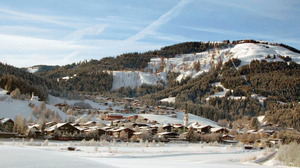
St. Johann in Tirol is one of the most genuinely budget-friendly towns in Tyrol. Lift passes run noticeably cheaper than nearby big-name resorts, and the terrain is mostly blue and red — ideal for a family that includes cautious adults and kids still working on their turns.
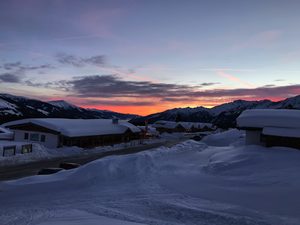
Seefeld takes a different approach. Its alpine ski area is modest, but it's exceptional for cross-country skiing and snowshoeing — activities that cost almost nothing to access. If your family enjoys variety and isn't fixated on maximizing downhill runs, Seefeld stretches your daily budget considerably.
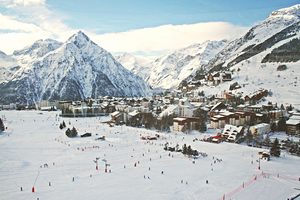
Flachau connects into the Ski amadé area — over 760 km of pistes across five regions. It's great value when you invest in the area pass, and the village has solid family accommodation. If you have older kids or confident intermediate skiers, this one gives you room to grow through a full week without running out of terrain.
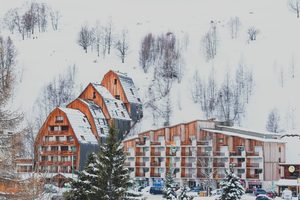
Lermoos sits in the Zugspitz Arena, backed by dramatic views of Germany's highest peak. Costs run low, crowds stay manageable, and the gentle slopes suit families with small children particularly well. It's also one of the better resorts if you're still weighing up skiing versus snowboarding — the terrain works for both disciplines without feeling overwhelming.
Smart Ways to Spend Less at Austrian Ski Resorts for Families on a Budget
Book Early and Bundle
The biggest savings in Austrian family skiing come from how and when you book, not just where you go. A few approaches that consistently work:
- Book accommodation and lift passes together — many Austrian resorts offer bundled rates that undercut buying each separately
- Commit to a multi-day or week-long pass rather than daily tickets — the per-day cost drops significantly with longer commitments
- Look for ski school packages that bundle lessons with a lift pass — often better value than purchasing them independently
- Reserve accommodation slightly outside the resort village — a short bus ride can cut nightly costs by 20–40% without much inconvenience
Ski Pass Strategy
Understanding what a ski pass actually covers before you buy is essential for family budget planning. Not all passes are equal:
- Regional passes (SkiWelt, Ski amadé, Zugspitz Arena) unlock far more terrain but cost more upfront — often worth it for five or more days
- Single-resort passes make more sense for short trips or families with very young beginners who won't cover much terrain in a day
- Children often ski free or at heavy discounts — always check the specific age cutoffs before booking, as policies vary significantly
- Some resorts sell afternoon-only passes, which work well on arrival day or days when you're getting a late start
Eating and Accommodation Tricks
Food is where ski trips silently bleed money. A few practical moves that make a real difference:
- Pack your own lunches for at least half the days — mountain restaurants charge premium prices for average food
- Eat dinner in the village at local Gasthäuser (guesthouses) rather than resort restaurants — filling Austrian food at half the price
- Rent an apartment with a kitchen rather than a hotel room — cooking your own breakfasts saves a surprising amount across a full week
- If you want one proper mountain meal, make it lunch on your best skiing day — you've already paid to be up there
Planning Your Austrian Family Ski Holiday the Right Way
Timing Your Visit
In Austria, the season typically runs from late November through early April. When you go within that window affects your experience and costs considerably:
- Early December: Quieter crowds, lower prices — but snow conditions can be patchy at lower elevations
- January (after New Year): Usually the best value window — reliable snow conditions, crowds drop after the holiday rush
- February half-term: Busy and expensive across Europe — avoid if your schedule allows flexibility
- March: Often the most enjoyable physically — sunny days, settled snow, and reduced prices as the season winds down
Watch out: Austrian school holidays and the German and Dutch holiday calendars heavily influence resort crowd levels — check those dates before you finalize your booking.
What to Pack for Kids on the Slopes
Packing efficiently reduces both stress and on-trip spending. Renting equipment on arrival is usually fine for occasional skiers, but clothing is worth bringing from home if you already have it. Our guide on what to wear under ski pants covers the layering basics that apply equally to kids and adults in Austrian mountain conditions.
Items families most commonly forget:
- Neck gaiters and helmet liners — kids lose heat fast, and a hat under a helmet can be uncomfortable to wear all day
- Hand warmers — cheap insurance against a child who quits early because their fingers are cold
- A small backpack for snacks, sunscreen, and lip balm — wind and UV at altitude are stronger than they look
- An extra pair of gloves — wet gloves end a child's ski day faster than almost anything else
Getting There Without Overspending
Most of these resorts are easily reachable by train from Innsbruck or Salzburg, both of which have international airports. Flying into a secondary Austrian airport and connecting by regional train often beats airport shuttle or car hire on cost. For families building a comparison across destinations, see how these family ski resorts in the USA benchmark against what Austria offers in terms of pricing and terrain variety.
Matching the Right Resort to Your Family's Skill Level
For Families With Young Beginners
If your children have never skied before — or if you're learning alongside them — resort selection matters more than anything else. You want dedicated beginner areas (called Übungswiesen in Austria) that are physically separated from the main runs, so nervous first-timers aren't getting buzzed by fast skiers.
- St. Johann in Tirol: Gentle slopes, a well-organized ski school, and low prices — arguably the best pure beginner resort on this list
- Lermoos: Friendly and scenic; the Zugspitz Arena's lower sections are forgiving and never overcrowded
- Seefeld: Ideal if anyone in your family wants to try cross-country — one of the best XC venues in the entire Alps
Reading our tips for beginner skiers before your first day on snow gives you a real head start. If you're unsure which discipline fits your family best, the overview of different skiing disciplines is a useful pre-trip read.
For Mixed-Ability Groups
Most families aren't all skiing at the same level. One parent might be comfortable on reds, the other still on blues, and the kids are somewhere in ski school. Matching that reality to terrain takes some thought:
- Ellmau (SkiWelt): The broader ski area gives confident skiers room to explore while beginner sections remain accessible for the younger members
- Flachau (Ski amadé): The scale of the connected area means family members can split off and meet for lunch without anyone running out of appropriate terrain
For Teen Skiers Ready to Push Harder
Teenagers who've been skiing for several seasons often want more than gentle cruising. They want steeper terrain or at least the feeling of genuine challenge.
- Flachau connects into terrain that will challenge confident intermediate and advanced skiers without requiring a separate resort
- Ellmau's SkiWelt has genuine red and black runs that give faster skiers room to develop their technique
- Afternoon park sessions — where available — tend to be a hit with teens who want something beyond standard piste skiing
When Your Trip Hits a Snag: Solving Common Family Ski Problems
Dealing With Bad Weather Days
Austrian mountain weather is unpredictable. High winds close chairlifts; heavy snowfall can ground everything above mid-mountain. Plan for at least one disrupted day in a week-long trip and build alternatives in advance:
- Most Austrian resort towns have public swimming pools or thermal baths — often surprisingly affordable and kids love them
- Tobogganing frequently runs even when ski lifts are closed — many resorts maintain dedicated toboggan runs for exactly this reason
- A weather day is a good time for equipment adjustments or a boot-fitting check at the local rental shop
Gear Issues on the Mountain
Binding problems, broken poles, and ill-fitting boots all happen eventually. A few things worth knowing:
- Every resort has at least one ski repair shop — most can fix basic binding issues the same day
- Boot fit is the most common cause of persistent discomfort; don't ignore pain on day one hoping it resolves itself
- If you rented gear and something feels wrong, go back to the rental shop — they would rather re-fit you than deal with an injury
Important warning: Never adjust your children's ski binding release values yourself mid-trip — always have the rental shop do it. Incorrect binding tension is a leading cause of preventable knee injuries in younger skiers.
Keeping Kids Motivated When Energy Drops
Enthusiasm can dip fast with younger children, especially around day three of a week-long trip. Build in genuine rest days, vary the day's rhythm, and don't push hard after lunch when energy naturally flags. A hot chocolate break at a mountain hut does more for morale than an extra run ever will.
Keeping Your Gear in Shape for the Mountain
Basic Ski Maintenance Matters More Than Most People Realize
If you rent gear, the maintenance burden is on the shop. But if you bring your own skis, pre-trip preparation is non-negotiable. Our guide on ski tuning explains exactly what needs doing and when. The short version:
- Get your skis tuned — edges sharpened and bases waxed — before the trip, not during it
- Have bindings checked at a certified shop each season; release values should reflect current settings for each skier's weight and ability
- Inspect boots for buckle condition and liner wear — worn liners create cold spots and blisters that ruin skiing days
Boots, Clothing, and Post-Trip Storage
How you treat your gear after each day — and at the end of the season — directly affects performance and longevity:
- Remove boot liners each evening and let them dry at room temperature — not on radiators, which degrade foam quickly
- Shake snow off jackets and pants before storing; let everything air dry fully before packing to prevent mildew
- Apply a fresh coat of wax to ski bases at end of season before storing — it prevents oxidation and keeps the base material healthy over summer
- Store skis vertically or flat in a cool, dry location — never in a hot car trunk for extended periods
Frequently Asked Questions
Which Austrian ski resort is cheapest for families?
St. Johann in Tirol and Lermoos consistently rank as the most affordable options. Both offer lower daily lift pass rates than the larger Tyrolean resorts, manageable terrain for beginners and intermediates, and good-value accommodation in the village. If your children are still learning, these two typically deliver the best cost-per-experience ratio of the five resorts covered here.
Do children ski free at Austrian resorts?
Many Austrian resorts offer free or heavily discounted lift passes for children under a certain age — often six and under, sometimes up to ten or twelve depending on the resort and pass type. Always check the specific resort's current policy when booking, as age cutoffs and discount structures vary. Ski school packages for children can also include pass discounts that aren't advertised upfront.
When is the best time for families to visit Austrian ski resorts on a budget?
January after the New Year rush and early March offer the best combination of reliable snow, reasonable prices, and thinner crowds. February half-term holidays push prices and congestion up significantly across all five resorts on this list. If your school schedule is flexible, these mid-season windows can reduce accommodation costs by 15–30% compared to peak weeks.
Is it better to rent ski gear or bring your own to Austria?
For occasional skiers and children who outgrow equipment quickly, renting locally is usually the more practical and cost-effective choice. Austrian resort rental shops are generally well-stocked and professionally run. If you ski regularly and own well-fitting gear, bringing your own can make sense — but factor in airline baggage fees and the importance of pre-trip tuning before committing either way.
Next Steps
- Use the comparison table above to shortlist one or two resorts that match your family's skill levels and budget ceiling — commit to a choice rather than leaving it open-ended.
- Price out a regional area pass versus a single-resort pass for your planned dates — the math often surprises people and can shift your resort preference.
- Book accommodation first, before pricing fluctuates — then build your lift pass and ski school reservations around what you've secured.
- If anyone in your family is skiing for the first time, read through our beginner skier tips before you go — arriving with the fundamentals already in mind reduces ski school time and cost.
- Sort your gear before departure: get skis tuned, verify binding settings, and review layering for Alpine conditions so nobody arrives underprepared for Austrian mountain weather.
 |
 |
 |
 |

About Frank V. Persall
Frank Persall is a lifelong skier originally from the United Kingdom who has spent years pursuing the sport across premier resorts in Europe, North America, and beyond. His passion for skiing has taken him from the Alps to the Rocky Mountains, giving him a broad perspective on resort terrain, snow conditions, gear performance across price points, and the practical realities of ski travel with a family. At SnowGaper, he covers ski resort guides, gear reviews, and skiing technique and travel resources for enthusiasts of every level.
You can get FREE Gifts. Or latest free skiing books here.
Disable Ad block to reveal all the info. Once done, hit a button below
|
|
|
|