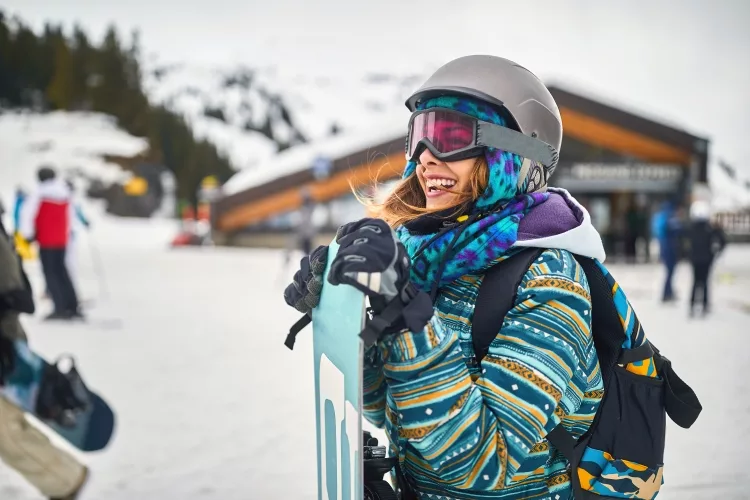
You're standing at the trailhead, fingers already tingling before you've even clipped into your bindings. You grab your outer gloves, but something's off — without a proper liner, the cold seeps right through, and you spend the next three runs thinking about your hands instead of your turns. The right ski glove liner changes everything, adding a thin but meaningful layer of warmth that lets you focus on what matters.
Glove liners are one of those deceptively simple pieces of gear that serious skiers swear by. Whether you're layering under a heavy mitten on a powder day or wearing a liner solo during a spring ski tour, the right choice depends on material, fit, and how you plan to use it. In 2026, the market has a solid range of options — from merino wool to synthetic fleece to innovative heat-reflective tech. This guide breaks down the best picks so you can make a confident call before your next trip.
If you're still building out your full kit, it's worth pairing this research with a look at our broader ski gear reviews — glove liners work best as part of a thoughtful layering system. And if warmth is your primary concern, you might also want to check out our roundup of the best heated ski gloves for days when the thermometer really drops.
Contents
Standout Models in 2026
- #PreviewProductRating
- Bestseller No. 1
 Rating:

- Bestseller No. 2
 Rating:
 - Bestseller No. 3
 Rating:
 - Bestseller No. 4
 Rating:
 - Bestseller No. 5
 Rating:
 - Bestseller No. 6
 Rating:
 - Bestseller No. 7
 Rating:
Detailed Product Reviews
1. Hestra Touch Point Active Liner — Best for Versatile Layering
Hestra has been making hand protection since 1936, and the Touch Point Active Liner is a solid example of why they've earned that reputation. Built from soft, warm polyester, this liner delivers genuine comfort without the bulk that can throw off fit in your outer shell gloves. It's machine washable too — a surprisingly rare feature in the liner world — which means it stays fresh across a long season without babying.
What sets this liner apart is its dual-purpose design. You can layer it under any of Hestra's outer gloves, but it's also substantial enough to wear on its own for lighter activities like hiking, running, or even commuting on a cold morning. The touchscreen-compatible fingertips work reliably, which is more than you can say for some cheaper options that technically claim compatibility but require serious finger pressure to register. The fit is snug and anatomical, which helps prevent bunching under your outer glove. It's not the warmest liner on this list — it's aimed at moderate cold — but within its temperature range, it performs very well.
If you're someone who likes one piece of gear that pulls multiple duties, the Hestra Touch Point Active Liner is a smart buy. The navy colorway is clean and versatile, and the Hestra brand consistently holds up to extended use in harsh conditions.
Pros:
- Machine washable for easy care
- Touchscreen-compatible fingertips that actually work
- Works as a standalone light glove or as a liner layer
- Anatomical fit minimizes bunching
Cons:
- Not ideal for extreme cold without a serious outer shell
- Premium brand pricing compared to basic liners
2. Smartwool Liner Glove — Best Natural Fiber Option
Smartwool has built a strong brand around merino wool performance gear, and their Liner Glove continues that tradition. Available for both men and women, this glove brings the natural benefits of wool to a slim, packable liner format. The rib knit cuff delivers a bulk-free fit at the wrist, which is one of the small details that makes a real difference when you're trying to layer under a tight-fitting outer glove or ski shell cuff.
The touchscreen compatibility on the thumb and index finger is a practical addition — you don't have to wrestle your gloves off every time you need to check a trail map or take a photo. Wool's natural temperature-regulating properties also mean this liner handles a wider range of conditions than pure synthetics, staying comfortable whether you're on a cold groomer or working up a sweat on a long traverse. The merino fiber is inherently odor-resistant, which is a genuine advantage if you're wearing the liner for multi-day trips without a laundry option.
The Smartwool Liner Glove is a good match for skiers who prioritize natural materials and appreciate the performance nuances of merino wool. If you're pairing it with a high-quality outer shell, this liner will serve you well across spring and winter conditions alike. It's also worth considering if you run hot and find synthetic liners uncomfortable during high-output activities.
Pros:
- Merino wool regulates temperature naturally
- Odor-resistant for multi-day wear
- Rib knit cuff creates a clean, low-bulk wrist fit
- Touchscreen-compatible on thumb and index finger
Cons:
- Merino requires more careful washing than synthetic options
- Limited color choices compared to competitors
3. Dakine Storm Liner Glove — Best for Grip and Control
Dakine built its reputation on snow sports gear, so it's no surprise their Storm Liner is a well-rounded performer. The standout feature is the silicone gripper palm pattern, which gives you noticeably better control when holding ski poles or gripping equipment. Most liners skip this entirely, treating grip as the outer glove's job — Dakine's approach means the Storm Liner works harder, especially when worn solo or when your outer glove gets wet and you need to pull it off mid-run.
Warmth is solid for a liner in this category. The material helps regulate hand temperature and resist clamminess during active use, which matters when you're generating heat on a long run but need protection at the top of the lift. Touchscreen compatibility is present across the fingertips, making device use convenient without a full de-gloving process. The fit is comfortable through the medium range, though as always with liners, sizing up or down based on your hand shape is worth considering.
The Dakine Storm Liner is a practical, purpose-built liner for skiers who actually use their poles hard. It's not the flashiest option, but the combination of warmth, grip, and touchscreen function covers the bases that matter most on the mountain. It also layers cleanly under Dakine's outer gloves if you're building a brand-matched system.
Pros:
- Silicone gripper palm improves control with poles and gear
- Touchscreen-compatible fingertips
- Helps prevent clamminess during active skiing
- Works as a standalone glove in milder conditions
Cons:
- Silicone palm can snag delicate outer glove linings
- Slightly bulkier than the thinnest liner options
4. Burton Women's Touch-N-Go Glove Liner — Best Women's-Specific Liner
Burton's Touch-N-Go is built specifically for women's hand proportions, and that distinction matters more than casual shoppers might expect. The DRYRIDE Thermex bonded fleece shell is Burton's own breathable, waterproof, quick-drying material — it's the same tech they use across their outer shells, applied here in a lightweight liner format. That waterproofing is a meaningful edge over competitors; most liners are designed purely for warmth, not moisture resistance, so if any snow finds its way in, you stay more comfortable for longer.
The Screen Grab synthetic suede palm gives full touchscreen control — not just two-finger operation but across the whole palm area, which makes using your phone feel natural rather than frustrating. A grippy silicone pattern adds to that tactile security when you're holding poles or adjusting gear mid-run. The brushed microfiber fixed lining adds a layer of warmth against the skin that makes this liner noticeably cozy for a slim fit. For women looking to complete their layering system, pairing this with a warm outer shell from our ski jacket guide makes a lot of sense.
The Burton Touch-N-Go earns its place as a top women's liner because it doesn't compromise on any single feature. Waterproof, warm, grippy, and touchscreen-friendly — it covers all four bases without adding bulk that would compromise outer glove fit.
Pros:
- DRYRIDE Thermex material offers genuine waterproofing
- Full Screen Grab palm for natural touchscreen use
- Brushed microfiber lining adds comfort and warmth
- Women's-specific proportions for better fit
Cons:
- Slightly thicker profile than ultraminimalist liners
- Women's sizing only — men need to look elsewhere
5. Seirus Innovation Heatwave Glove Liner — Best for Extreme Cold
If you're heading somewhere genuinely cold — think deep winter days at high-altitude resorts or early morning bluebird runs with temperatures in the single digits — the Seirus Heatwave liner deserves serious attention. The Heatwave Technology uses a kinetic heat return system that reflects your own body heat back at your hands, reportedly amplifying warmth by 4–5 degrees. That might not sound dramatic on paper, but when your fingers are the difference between enjoying a run and bailing early, those extra degrees matter enormously.
According to thermal insulation principles, retaining radiated body heat is one of the most efficient ways to stay warm without adding material weight — and that's exactly what Seirus has applied here. The Form Fit design keeps it close to your hand, which maximizes heat retention and minimizes bulk. It's versatile enough to wear alone as a lightweight glove on milder days, or to layer under a heavier shell on the coldest days of the season.
The Heatwave liner doesn't have touchscreen compatibility, which is a notable omission compared to others on this list. But if your priority is maximum warmth at minimum thickness, the tradeoff may be worth it. This is the liner for skiers who run cold, who ski in genuinely demanding winter conditions, or who've been disappointed by conventional liners in the past.
Pros:
- Kinetic heat return system adds measurable warmth
- Form Fit design minimizes bulk under outer gloves
- Can be worn standalone or as a liner layer
- Great for cold-weather specialists and those who run cold
Cons:
- No touchscreen compatibility
- Older design compared to newer options on the market
6. Minus33 Merino Wool Glove Liner — Best Budget Merino Option
Minus33 has been in the merino wool game since 2004, and their glove liner is a well-established go-to for outdoor enthusiasts who want natural fiber performance without paying a premium brand markup. The blend is 85% merino wool with 10% stretch nylon and 5% elastic — that combination gives you the warmth and odor resistance of wool with enough stretch and durability to handle extended use. It's machine washable and dryable, which is genuinely unusual for a high-merino-content garment and makes day-to-day care significantly easier.
The liner is legitimately versatile across seasons and activities. Minus33 suggests it for hunting, ice fishing, running, cycling, and dog sledding — and skiing obviously fits right into that list. In true New England brand fashion, these liners are designed by people who spend real time outdoors in real cold, which shows in the execution. The full size range from S to XL means finding a proper fit is straightforward, and the solid black colorway works under any outer glove without visual conflict.
If you're outfitting a full kit on a budget and want natural fiber performance, the Minus33 liner delivers excellent value. It pairs naturally with the rest of your cold-weather gear — including items like heated ski socks if you want to build a comprehensive warmth system for extended days on the mountain. This is a no-fuss, dependable liner that does what it promises.
Pros:
- 85% merino wool for natural warmth and odor resistance
- Machine washable and dryable — easy care
- Full S–XL size range for better fit options
- Strong value for a genuine merino product
Cons:
- No touchscreen compatibility
- Plainer construction compared to more technical options
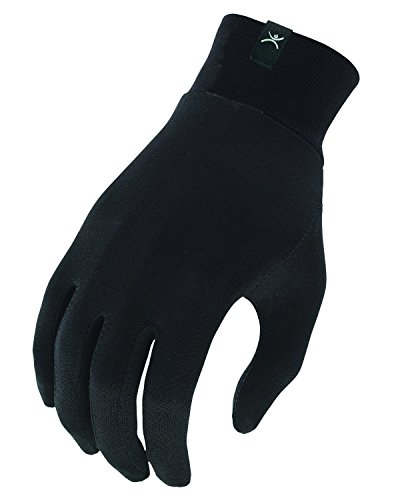
7. Terramar Thermasilk Glove Liner — Best Ultra-Thin Liner
The Terramar Thermasilk is a different kind of liner — one that prioritizes the thinnest possible profile while still delivering meaningful warmth. Made from silk, it sits in a category of its own: silk is one of the best natural insulators relative to its weight and thickness, which is why it's been used as a base layer material for cold-weather activities for generations. The Climasense thermoregulation technology keeps you comfortable across a range of conditions by actively managing moisture and temperature, which means it's less likely to make your hands feel sweaty during high-output moments.
The fast wicking and drying capability is the key technical benefit here. If your outer gloves ever let moisture in — or if you run warm and generate sweat during hard skiing — a silk liner that wicks quickly keeps your hands in better shape than a liner that just holds moisture against your skin. It's also the liner to consider if you're squeezing into a tight-fitting outer glove and don't want any extra thickness at all.
The Thermasilk doesn't have touchscreen compatibility, and it's not going to be your first choice on a -20°F day. But as a precision under-layer for skiers with very fitted outer gloves, or for touring scenarios where you need warmth without any bulk, it fills a specific niche genuinely well. It's also a smart travel liner — silk compresses to almost nothing and is easy to hand-wash on the road.
Pros:
- Ultra-thin silk construction adds minimal bulk
- Climasense thermoregulation handles variable conditions
- Fast wicking and drying keeps hands comfortable
- Excellent for fitted outer gloves with no room to spare
Cons:
- Not suitable for standalone use in serious cold
- No touchscreen compatibility
- Silk requires careful washing compared to synthetics
Buying Guide: How to Choose the Best Ski Glove Liners
Material: Wool, Synthetic, or Silk?
The material choice is the first and most important decision you'll make. Each has a distinct performance profile, and the right pick depends on how you ski and where you ski.
- Merino wool (Smartwool, Minus33) offers natural thermoregulation, odor resistance, and moisture management. It works well across a range of temperatures and is a strong choice for multi-day trips. The trade-off is that wool requires more careful washing than synthetics.
- Synthetic polyester/fleece (Hestra, Dakine, Burton) is typically more durable, faster-drying, and easier to care for. It's the most common liner material and comes in a wide range of thicknesses. It doesn't match wool's odor resistance for extended wear.
- Silk (Terramar) is the thinnest option by weight. It wicks excellently and provides impressive warmth relative to its thickness. It's best used as an ultra-thin base layer under a properly insulating outer glove.
- Specialty tech fabrics (Seirus Heatwave) use engineered materials to reflect body heat, offering warmth beyond what the material thickness would suggest. These are worth considering if you consistently struggle with cold hands.
Fit and Bulk: How Much Space Do You Have?
The number one mistake buyers make with glove liners is ignoring fit. A liner that's too thick will make your outer glove feel like it's strangling your hand, cutting circulation and actually making you colder. You want a snug, anatomical fit that lays flat against your hand without bunching at the palm or knuckles.
Before buying, check the interior space of your outer gloves. If they're already fitted, look at silk or ultra-thin synthetic options. If you're using roomy mittens or expedition gloves, you have room to work with a warmer, more substantial liner. Sizing one size down from your outer glove size is a common approach that tends to work well for layered systems.
Touchscreen Compatibility: Is It Worth Prioritizing?
In 2026, most skiers carry smartphones on the mountain, and being able to use them without stripping off your gloves is a genuine quality-of-life feature. That said, not all touchscreen compatibility is equal. Some liners offer it on two fingers only (thumb and index), while others like the Burton Touch-N-Go offer it across the full palm area. If you use your phone frequently on the hill — for trail maps, photos, or music — this is a feature worth paying attention to and testing before you commit.
For skiers who rarely check their phones mid-run, touchscreen capability matters less. The Seirus Heatwave and Terramar Thermasilk skip it entirely in favor of pure thermal performance, which is a reasonable tradeoff in the right context. Consider how you actually use your phone on the mountain, not just how you think you might.
Intended Use: Standalone Glove vs. Pure Liner
Some liners are built exclusively for layering and don't work well on their own — they're too thin to provide standalone warmth and may lack features like grip that you'd want if they're your only hand coverage. Others are designed to double as lightweight standalone gloves for mild days, active touring, or aerobic activities like ski touring or cross-country.
If you want a liner that can do both jobs, the Hestra Touch Point Active, Dakine Storm, and Seirus Heatwave are all listed as suitable for standalone use. The Terramar Thermasilk and Minus33 merino liner are better suited as pure base layers under a proper outer glove. Matching your purchase to your actual usage pattern — not the most optimistic scenario — is the key to getting real value from your liner. This same thinking applies across your full kit; if you're thinking about your layering system holistically, our guide on the best ski clothing brands covers the full picture from shell to base layer.
What People Ask
Do I really need a ski glove liner, or is a good outer glove enough?
For many recreational skiers, a well-insulated outer glove is sufficient for typical resort conditions. But a liner adds meaningful flexibility — you get a layering option for genuinely cold days, a drying solution when your outer gets wet, and a backup if your main glove fails. Serious skiers, those who ski in extreme cold, and anyone who spends full days on the mountain generally find a liner worth the modest investment.
Can I use a ski glove liner as a regular everyday glove?
Several options on this list are designed to do exactly that. The Hestra Touch Point Active, the Dakine Storm, and the Seirus Heatwave are all marketed as wearable standalone for light activities like running, hiking, or commuting. Merino and silk options also work well for everyday use in mild cold. The key is matching the warmth level to the activity — a thin liner won't replace a proper winter glove for standing around in -15°C temperatures.
How do I wash ski glove liners without damaging them?
It depends on the material. Synthetic liners like the Hestra and Dakine options are generally machine washable in cold water on a gentle cycle. Merino wool liners like the Minus33 are also machine washable, which is unusual for wool — just use cool water and a wool-safe detergent. Silk liners like the Terramar should be hand-washed in cool water or dry-cleaned. Always check the specific care label, as some liners have proprietary treatments or coatings that require gentle handling.
How do I know what size glove liner to buy?
Glove liners should fit snugly without cutting off circulation. Most brands provide a sizing chart based on hand circumference measured at the widest part of your palm. As a general rule, if you're between sizes, size down rather than up — a liner that's slightly snug will stay flat against your hand, while a loose liner will bunch up and create uncomfortable pressure points inside your outer glove. Always consider the fit in combination with your outer glove.
Is merino wool warmer than synthetic for ski glove liners?
At the same thickness, merino wool and quality synthetic materials provide comparable warmth. Where merino has a genuine edge is in temperature regulation — it handles a wider range of conditions comfortably, manages moisture effectively, and resists odor over multiple wears. Synthetics tend to dry faster and are more durable for abrasive use. For most skiers, the choice comes down to preference for natural vs. synthetic materials and how much care effort you're willing to invest.
Do glove liners actually make a difference in how warm your hands are?
Yes, meaningfully so. Adding a liner under your outer glove creates an additional layer of insulation and, critically, a barrier between your skin and any moisture that gets inside the outer shell. Cold-related discomfort is often caused by moisture against the skin cooling rapidly — a wicking liner addresses that directly. Specialized options like the Seirus Heatwave add further benefit through engineered heat retention. Most skiers who try a liner on a cold day find it noticeably warmer than glove alone.
Buy on Walmart
- Hestra Touch Point Active Liner - Machine Washable, Touch Sc — Walmart Link
- Smartwool Liner Glove For Men and Women Deep Navy Medium — Walmart Link
- Dakine Storm Liner Glove - Black, Medium — Walmart Link
- Burton Women's Touch-N-Go Glove Liner, Gray Heather, Medium — Walmart Link
- Seirus Innovation 2116 Heatwave Glove Liner with Heatwave Te — Walmart Link
- Merino Wool Glove Liner - Warm Base Layer - Ski Liner Glove — Walmart Link
- Terramar Thermasilk Glove Liner, Black, Medium — Walmart Link
Buy on eBay
- Hestra Touch Point Active Liner - Machine Washable, Touch Sc — eBay Link
- Smartwool Liner Glove For Men and Women Deep Navy Medium — eBay Link
- Dakine Storm Liner Glove - Black, Medium — eBay Link
- Burton Women's Touch-N-Go Glove Liner, Gray Heather, Medium — eBay Link
- Seirus Innovation 2116 Heatwave Glove Liner with Heatwave Te — eBay Link
- Merino Wool Glove Liner - Warm Base Layer - Ski Liner Glove — eBay Link
- Terramar Thermasilk Glove Liner, Black, Medium — eBay Link
Final Thoughts
The right ski glove liner for you in 2026 comes down to how cold your hands run, what outer gloves you're pairing them with, and whether you need features like touchscreen compatibility or standalone versatility — take a few minutes to match those needs against the options in this guide, click through to check current pricing on the products that fit, and give your hands the upgrade they deserve before your next day on the mountain.
 |
 |
 |
 |

About Frank V. Persall
Frank Persall is a lifelong skier originally from the United Kingdom who has spent years pursuing the sport across premier resorts in Europe, North America, and beyond. His passion for skiing has taken him from the Alps to the Rocky Mountains, giving him a broad perspective on resort terrain, snow conditions, gear performance across price points, and the practical realities of ski travel with a family. At SnowGaper, he covers ski resort guides, gear reviews, and skiing technique and travel resources for enthusiasts of every level.
You can get FREE Gifts. Or latest free skiing books here.
Disable Ad block to reveal all the info. Once done, hit a button below
|
|
|
|