Ski rentals typically run between $30 and $75 per day for a standard beginner setup, and average ski rental prices at on-mountain resort shops can easily reach $90 or more for a complete equipment package. If you're heading to the slopes for a first trip or just visiting a resort for a long weekend, renting is almost always the practical choice — but knowing what you'll actually pay before you arrive saves you from sticker shock at the counter.
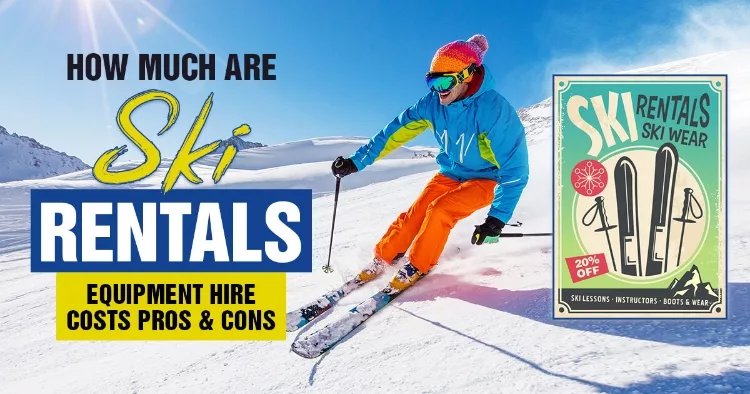
The price range is wide because rental tiers are structured around your skill level and the quality of gear you need. If you're new to skiing entirely, understanding how packages are structured before you walk into a rental shop saves you from being upsold on gear you don't need yet. A first-timer in a basic package will pay far less than someone stepping into a high-performance carving setup with a stiff, custom-fit boot system. Location matters just as much — a resort-operated shop charges a significant premium compared to an independent rental shop a few miles down the road.
If you're traveling with others, it's worth exploring family ski packages before you book — bundling rentals, lift tickets, and lessons often brings the per-person cost down considerably, especially for kids who need smaller, cheaper equipment setups.
Contents
Ski Rental Packages: What You Get at Each Level
Beginner and Intermediate Packages
Most rental shops organize their inventory into two or three tiers, and the entry-level tier is where the majority of first-time renters land. A basic beginner package includes standard-length skis, boots, and poles — nothing specialized, but completely functional for someone who's learning to turn and stop. The boots are softer and more forgiving, which is actually a good thing at this stage. Stiff performance boots amplify every movement, and that's the last thing you want when you're still working on balance and edge control. These packages are designed for infrequent skiers who hit the slopes once or twice a season and don't need high-performance gear to have a great time.
Intermediate packages step up both the stiffness of the boot and the responsiveness of the ski. If you're comfortable on blue runs and occasionally tackling easy black diamonds, this tier is worth the extra cost — usually $10 to $20 more per day. The tighter boot fit transmits your movements more accurately to the ski, which actually makes skiing easier once you're past the beginner stage. You get noticeably more control without jumping to the price tag of a demo setup.
Tip: Match your rental tier to your actual ability level, not your ambition. Over-booting in a stiff performance shell when you're still a beginner makes the learning curve steeper, not easier — and it's an unnecessary extra cost.
Performance and Demo Packages
High-performance rentals — often labeled "demo" or "expert" packages — come with the latest equipment from top brands like Salomon, Rossignol, and Atomic. Boots are stiffer and provide direct power transmission, skis are shaped for specific terrain and technique, and the entire setup is tuned and ready to perform before you pick it up. These are genuinely good skis, sometimes the same models you'd find on a retail shelf at full price. Shops stock them specifically because experienced skiers want to test high-end gear before committing to a purchase of their own.
The cost reflects the quality: performance packages typically range from $60 to $100 per day at resort shops, and premium boutique setups can run even higher. If you're an advanced skier trying to decide between two or three models before buying, renting a demo package is a legitimate testing opportunity. You ski on real equipment, on real terrain, under real conditions — which is far more informative than any in-store flex test or spec comparison.
Average Ski Rental Prices: A Full Cost Breakdown
The table below summarizes typical rental pricing across different package tiers and rental locations. These are ballpark figures based on U.S. resort averages — rates at destination resorts tend to sit at the upper end, while smaller regional mountains often come in below the mid-range figures. According to Wikipedia's overview of skiing, the sport sees more than 400 million skier visits annually worldwide, which helps explain why pricing varies so dramatically by region and resort tier.
| Package Tier | On-Mountain (Per Day) | Off-Mountain Shop (Per Day) | Online Pre-Booking (Per Day) |
|---|---|---|---|
| Beginner / Basic | $45 – $75 | $30 – $50 | $25 – $45 |
| Intermediate | $60 – $85 | $40 – $65 | $35 – $55 |
| Performance / Demo | $80 – $110 | $55 – $85 | $50 – $80 |
| Helmet (add-on) | $15 – $25 | $10 – $20 | $8 – $18 |
| Ski Boots Only | $25 – $40 | $18 – $30 | $15 – $28 |
On-Mountain vs. Off-Mountain Rental Shops
Renting directly from the resort is convenient, but that convenience carries a real cost. On-mountain shops are steps from the gondola, they handle mid-day adjustments quickly, and their staff knows the terrain you'll be skiing. You also skip the question of transporting gear from a shop in town. All of that is genuinely valuable — but on-mountain shops typically charge 20 to 40 percent more than independent shops located just a few miles from the resort base.
Off-mountain shops in resort towns offer the same quality of gear at lower prices, often with the added bonus of a quieter, less rushed fitting experience. You pick up your equipment the evening before, drive to the resort with everything loaded, and skip the morning rush at the resort rental counter. The minor inconvenience of shuttling gear is the main tradeoff, and for most skiers it's an easy one to accept when the savings add up to $20 to $30 per person per day.
Watch out: If you're skiing three or more days, renting from a town shop instead of the resort counter can save enough money per person to cover a full restaurant meal — or more. Don't overlook it just for the sake of convenience.
Daily Rates vs. Multi-Day Deals
Multi-day rentals almost always cost less per day than single-day rates. A three-day rental rarely totals three times the daily price — it usually works out to around 2.2 to 2.5 times. A week-long rental can drop to the equivalent of four or five day-rates combined. If you're skiing for more than two days, asking specifically about multi-day pricing is one of the easiest ways to reduce your total rental bill without changing anything else about your trip. Some shops also offer a free extra half-day or morning extension if you return equipment by a set time on your last day — it's always worth asking.
When Renting Makes Sense — and When Buying Is Worth It
When Renting Is the Right Call
Renting makes clear financial sense if you ski fewer than five or six days per year. Owning skis means paying not just for the gear itself but for annual tuning, boot heat-molding, storage, and eventual replacement. Add in transport costs — ski bags, airline fees, or roof rack systems — and the economics of ownership shift considerably. For someone skiing twice a year at a single resort, rentals are almost certainly the cheaper path over any five-year stretch, even accounting for slightly higher per-day costs.
If you've never skied before, renting is also the obvious starting point. Committing several hundred dollars to gear before you know whether you'll enjoy the sport — or what style of skiing suits your body and preferences — is a risk worth avoiding entirely. Start with rentals, take a lesson, get a few days on the snow, and then evaluate. There's no rush to own.
When Buying Becomes the Smarter Investment
If you ski more than eight to ten days per year and you've settled into a consistent style — groomer carving, powder skiing, or terrain park riding — buying your own gear starts to make economic sense. Custom-fit boots alone can dramatically improve your experience, and that's something you simply can't replicate with rental boots that have been sized to hundreds of different feet over the course of a season. Owning also means showing up with gear that's tuned specifically for your weight, height, and ability level, which makes a measurable difference in both performance and comfort.
Timing your purchase strategically changes the math significantly. End-of-season clearance sales — typically in March and April in the Northern Hemisphere — routinely cut retail prices by 30 to 50 percent. Our guide on the best time to buy ski equipment walks through exactly when and where to find the strongest deals, which can make owning gear cost no more than two or three seasons of renting at current average ski rental prices.
Pro insight: If you're close to buying a specific ski model, rent it as a demo first. One day on the actual ski tells you far more than any spec sheet — and it might save you from a purchase you'd regret.
How to Lower Your Ski Rental Bill
Book Online Before You Arrive
Booking your rental in advance online is one of the most reliable and underused ways to reduce the average ski rental prices you actually pay at checkout. Most resort-affiliated and third-party rental shops offer online discounts of 10 to 30 percent compared to walk-in rates. The inventory is the same equipment; the pickup process is often faster because your reservation is already in the system. Third-party platforms that aggregate multiple shops in a resort town make it easy to compare total package prices — including helmets and any optional add-ons — side by side before you commit to anything.
Early booking during the shoulder seasons, particularly October through early December in North America, often comes with additional promotional pricing. If your trip dates are already set, locking in your rental weeks in advance costs you nothing and can produce meaningful per-person savings, especially on a multi-day trip with several people in your group.
Know Exactly What's Included Before You Sign
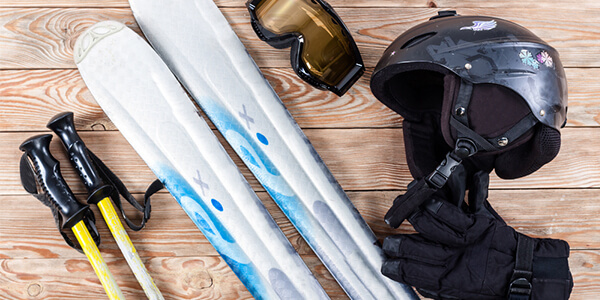
Read every line on the rental agreement before you hand over your card. A "complete package" typically includes skis, boots, and poles — but helmets are almost always a separate line item, usually costing $10 to $25 extra per day. Some shops bundle a helmet into premium packages or run seasonal promotions that include it at no charge, but you should assume it's an add-on unless the listing specifically states otherwise. Damage waivers and insurance are also offered as optional upgrades at the counter — understand what's covered before you agree.
If you're working to keep your entire ski trip budget under control, pairing smart rental decisions with other cost-reduction strategies pays off. The guide on discount ski vacations covers off-peak timing, resort package deals, and where to find bundled pricing that reduces your overall trip cost — not just the rental line.
Taking Care of Gear That Isn't Yours
How to Handle Rented Equipment Responsibly
Rental gear gets heavy use from many different skiers across a season, but that doesn't mean you should treat it carelessly. At the end of each ski day, return your boots with the buckles loosened and your skis unclipped from the bindings. Don't leave equipment outside overnight in subzero temperatures when the rental shop offers indoor storage — repeated freeze-thaw cycles are hard on plastic boot shells and metal edges. If you notice something wrong mid-day — a binding that feels unstable, a buckle that won't hold, a boot sole that seems off — go directly to the rental shop. Most shops will adjust or swap equipment at no charge, and the fix usually takes less time than you'd expect.
It's also worth skiing on terrain that actually suits the equipment you rented. Beginner rental skis are not engineered for aggressive off-piste runs over rocky surfaces. Pushing a basic package into rough terrain increases the risk of edge damage or bent skis, which can result in charges when you return the gear at the end of your stay.
Damage Waivers — Worth It or Not?
Damage waivers are typically offered at the rental counter for $5 to $15 per day. They cover accidental damage during normal use but usually exclude loss, theft, and negligent misuse. Whether it's worth paying depends on how you ski and the conditions you'll encounter. Beginners who fall regularly, or anyone skiing in choppy spring conditions with exposed rocks, may find the waiver offers reasonable peace of mind. Experienced skiers on groomed runs in good snow conditions probably don't need it.
The most important protection is documenting existing damage at pickup. Inspect your skis, boots, and poles carefully before you leave the shop. Note any scratches, edge chips, boot cracks, or binding wear, and make sure the staff records those observations on your rental agreement. That single step protects you from being charged for damage that was already present when you picked up the gear — it takes two minutes and can save you a significant dispute later.
Frequently Asked Questions
How much do ski rentals cost per day on average?
Average ski rental prices typically range from $30 to $75 per day for a beginner or intermediate package at an off-mountain shop. On-mountain resort shops charge more, often $45 to $90 or higher for the same tier. Performance or demo packages can push past $100 per day at resort-operated locations.
Is it cheaper to rent skis at the resort or at a shop in town?
Off-mountain shops in nearby resort towns are almost always cheaper, often by 20 to 40 percent. The gear quality is comparable — sometimes identical — and the main tradeoff is the minor inconvenience of transporting equipment to the mountain yourself each morning.
What's included in a standard ski rental package?
A standard package typically includes skis, boots, and poles. Helmets are almost always a separate add-on unless the shop specifically advertises them as included. Damage waivers and insurance are optional extras offered at the counter during check-in.
How much does it cost to rent skis for a week?
A week-long ski rental from an off-mountain shop typically costs the equivalent of four to five day-rates due to multi-day discounts. At mid-range pricing, expect to pay roughly $140 to $250 for a beginner-to-intermediate package for a full week, depending on location and shop tier.
Should beginners rent or buy ski equipment?
Beginners should almost always rent first. You need a few days on the snow to understand what kind of skiing you enjoy and what your body needs from the equipment. Buying before you have that experience often leads to purchasing the wrong gear at the wrong price — a costly mistake that renting avoids entirely.
Are ski helmets included in rental packages?
In most cases, no. Helmets are usually a separate rental item costing $10 to $25 per day. Some shops bundle a helmet into premium packages or run seasonal promotions that include it at no additional charge, but you should assume it's an add-on unless the rental listing explicitly states otherwise.
What happens if you damage rental ski equipment?
If you didn't purchase a damage waiver and you return gear with new damage, the shop may charge you a repair or replacement fee. Inspect your gear carefully at pickup and make sure any pre-existing damage is noted on the rental agreement before you leave — that documentation protects you from being billed for issues you didn't cause.
Key Takeaways
- Average ski rental prices range from $30 to $75 per day at off-mountain shops — on-mountain resort rentals cost 20 to 40 percent more for comparable gear.
- Renting makes more financial sense than buying if you ski fewer than six days per year; beyond that threshold, ownership typically becomes the more cost-effective path.
- Booking online in advance saves 10 to 30 percent compared to walk-in pricing, and multi-day packages further reduce your per-day rate.
- Always inspect rental equipment at pickup and document pre-existing damage on your rental agreement — it takes two minutes and prevents disputes when you return the gear.
 |
 |
 |
 |

About Frank V. Persall
Frank Persall is a lifelong skier originally from the United Kingdom who has spent years pursuing the sport across premier resorts in Europe, North America, and beyond. His passion for skiing has taken him from the Alps to the Rocky Mountains, giving him a broad perspective on resort terrain, snow conditions, gear performance across price points, and the practical realities of ski travel with a family. At SnowGaper, he covers ski resort guides, gear reviews, and skiing technique and travel resources for enthusiasts of every level.
You can get FREE Gifts. Or latest free skiing books here.
Disable Ad block to reveal all the info. Once done, hit a button below
|
|
|
|