A ski chalet is a private vacation home located on or near a ski mountain — that's the direct answer. Ski chalet vacation homes give you slope access, a full kitchen, private bedrooms, and enough space for a group to live comfortably without tripping over each other. Whether you're planning your first mountain getaway or you've been skiing for years, knowing what a chalet actually delivers helps you make smarter booking decisions. Start with our full skiing resource hub to put everything in context.
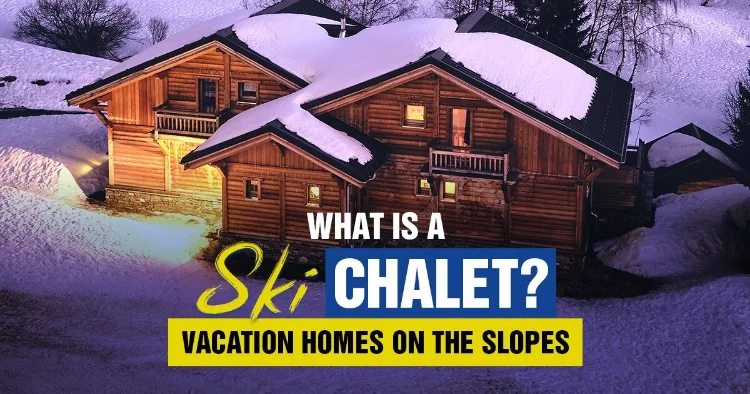
Unlike a hotel room where you're stacked on top of strangers and competing for breakfast, a ski chalet gives you genuine privacy and breathing room. You cook your own meals, set your own schedule, and ski whenever you feel like it. The concept originated in the Swiss Alps — the word "chalet" traces back to Franco-Provençal, originally referring to a mountain herder's seasonal shelter. Today it covers everything from a modest two-bedroom cabin to a sprawling estate with a private pool, hot tub, and full concierge service.
The appeal is straightforward math. Split the cost across six or eight people and you often pay less per person than a mid-range hotel room while getting dramatically more space. According to Wikipedia's overview of the chalet, the architectural style has become a global symbol of alpine living, recognized from the Swiss Alps to the Colorado Rockies. Families, friend groups, and ski clubs have made chalets the preferred choice for serious mountain vacations — and for good reason.
Contents
- Smart Tips for Booking and Enjoying Your Ski Chalet
- Common Ski Chalet Myths — Debunked
- What Every Ski Chalet Vacation Home Should Offer
- Ski Chalets vs. Hotels: A Direct Comparison
- The Real Pros and Cons of Renting a Ski Chalet
- Ski Chalets for First-Timers vs. Seasoned Skiers
- What Ski Chalet Vacation Homes Actually Cost
- Frequently Asked Questions
- Key Takeaways
Smart Tips for Booking and Enjoying Your Ski Chalet
The best ski chalet vacation homes fill up fast. Peak holiday weeks and school breaks disappear six months or more before the season opens. Here's what experienced chalet renters do differently to secure the right property at the right price.
- Book at least six months out for Christmas, New Year's, and February school holidays — those slots are gone by summer.
- Confirm what's included before you pay. Fully catered means a private cook handles breakfast and dinner daily. Self-catered means you get a kitchen and that's it.
- Read the ski-in/ski-out claim carefully. "Ski-accessible" is not the same as stepping directly onto a groomed run from your front door.
- Match the group size to the bedroom count, not just the "sleeps" number. Sleeping twelve in four beds is not a vacation.
- Request a full inventory list — linens, cookware, boot drying space — so you know exactly what to bring.
Picking the Right Location
Location inside a resort matters as much as the resort itself. A chalet at the base of the mountain saves you shuttle rides every morning and evening. Look at how close the property sits to the ski lifts — that daily commute in ski boots adds up fast over a week-long trip. Also factor in grocery access, parking, and proximity to the village for evenings off the mountain.
Pro tip: Always ask for the exact GPS address, then cross-reference it on a resort trail map before you commit to a booking.
Word-of-mouth recommendations still outperform most review platforms when it comes to chalets. Ask in skiing forums or Facebook groups which properties genuinely deliver on their slope access claims — locals know which "ski-in" chalets actually involve a five-minute uphill trudge at the end of every run.
Common Ski Chalet Myths — Debunked
A few stubborn ideas about chalets keep circulating. They're wrong. Here's the truth on the most common ones.
Myth 1: Chalets Are Only for the Wealthy
This is the biggest misconception. A chalet split among a group of eight can cost less per person than a mid-range hotel room. Budget chalets exist at virtually every major ski resort. You don't need significant wealth — you need enough people to split the rental. The economics actually favor groups who do the math before defaulting to hotel bookings.
Myth 2: Catered Chalets Are a Waste of Money
Fully catered chalets include a cook who prepares breakfast and a multi-course dinner daily. When you price out eating at ski resort restaurants every night — where a main course routinely costs $25–$50 — a catered chalet often breaks even or saves money while delivering food that's far better than anything on the après-ski menu. The convenience factor alone is worth calculating.
Myth 3: You Need to Be an Advanced Skier
Chalets suit every skill level. Beginners who stay in a chalet for a week often progress faster than those in hotels, simply because they have more mountain time and a comfortable base to return to. If you're curious what expert terrain looks like, read up on big mountain skiing — but understand that the chalet format was built for families and friend groups, not elite athletes.
Reality check: The chalet model originated as a communal mountain shelter — accessibility has always been the point, not exclusivity.
What Every Ski Chalet Vacation Home Should Offer
Not all chalets deliver the same experience. Knowing what to expect — and what to demand — keeps you from being caught off guard on arrival day.
Standard Amenities
- Full kitchen with stove, oven, refrigerator, and basic cookware
- Private bathrooms — ideally one per two bedrooms
- A boot room or drying space for wet gear
- Locked ski and board storage
- Wi-Fi (mountain connections are slower than urban — plan accordingly)
- Washer and dryer for trips longer than four nights
Premium Additions Worth Paying For
- Hot tub or sauna — muscle recovery after hard skiing days is not a luxury, it's a performance tool
- Underground or covered parking — essential in high-snowfall destinations
- Wood-burning fireplace — gas works, but wood burns better for atmosphere
- Boot warmers built into the ski room — cold boots ruin mornings
- Concierge or in-house ski host who handles lift passes and equipment rentals
Gear Considerations
Many chalets partner with local ski shops for discounted rental equipment. If you're staying fully catered, you won't need to pack cooking gear. But always bring your own helmet, goggles, and protective layers — rental shops rarely stock top-tier safety equipment. Before your trip, make sure your protective gear is sorted. A solid back protector is worth the investment on any mountain.
Ski Chalets vs. Hotels: A Direct Comparison
Choosing between a chalet and a hotel depends on your group size, trip length, and what kind of experience you want. Here's an honest breakdown.
| Factor | Ski Chalet | Hotel |
|---|---|---|
| Space | Full house — multiple rooms, living area, kitchen | Single room or suite |
| Cost (group of 6+) | Lower per person | Higher per person |
| Cost (solo/couple) | Often wasteful | Better value |
| Privacy | Fully private | Shared hallways, lobbies |
| Meal flexibility | Self-catered or fully catered | Restaurant dependent |
| Housekeeping | Weekly or none (self-catered) | Daily |
| Slope access | Can be ski-in/ski-out | Varies widely |
| Booking complexity | Higher — full payment upfront | Lower — pay on checkout |
When a Hotel Makes More Sense
Hotels win on flexibility. Solo travelers and couples typically get better value from a hotel — you're not paying for empty bedrooms. Hotels also deliver consistent service, daily housekeeping, and a 24-hour front desk. If your schedule is unpredictable or you're traveling alone, a hotel keeps things simple and low-commitment.
When a Chalet Is the Clear Winner
Groups of four or more almost always come out ahead in a chalet, especially for trips longer than three nights. The cost-per-person math shifts dramatically once you hit that threshold. A chalet also gives you a shared living space to decompress together after the day's skiing — something a cluster of separate hotel rooms never replicates.
The Real Pros and Cons of Renting a Ski Chalet
What Works in Your Favor
- More space per dollar when the cost is split across a group
- Full flexibility over meals, sleep schedules, and daily plans
- A communal living area that keeps everyone together in the evenings
- Genuine privacy — no hallway noise, no shared elevators, no strangers at the next table
- Better slope proximity in ski-in/ski-out properties than most hotels can offer
What Can Go Wrong
- High upfront cost — full payment is typically required before arrival
- Cleaning and maintenance falls on you in self-catered properties
- Location quality varies wildly — slope access claims aren't always honest
- No daily housekeeping in most self-catered rentals
- Group dynamics — ten people sharing one kitchen can strain even close friendships
Warning: Read cancellation policies before you pay anything — ski chalet bookings are often fully non-refundable, particularly during peak season windows.
The Hidden Advantage Nobody Talks About
Chalets create a recovery environment that hotels simply can't replicate. After a demanding day of hard skiing, having a proper living space to wind down in matters more than most people acknowledge before their first chalet trip. Hot tub, fireplace, home-cooked dinner, no strangers around: that physical and mental recovery environment can determine whether you ski hard for seven days or burn out by day four. The full chalet experience — not just the skiing — is a big part of why skiing is so rewarding as a vacation.
Ski Chalets for First-Timers vs. Seasoned Skiers
If You're New to Skiing
Pick a chalet close to beginner slopes and the ski school meeting point. You want zero logistical friction on your first morning — long walks in ski boots across icy parking lots sap enthusiasm fast. A budget chalet in a mid-size resort beats a luxury chalet at a world-class expert mountain for your first trip.
Look for properties that offer:
- Boot drying facilities — wet, cold boots turn morning excitement into misery
- Walking distance to the village for evenings off the mountain
- Flexible sleeping arrangements — not every beginner wakes up at 6 AM ready to ski
- Proximity to ski rental shops and ski school pickup points
If You're an Experienced Skier
For experienced skiers, ski-in/ski-out access becomes a non-negotiable priority. Every minute spent on shuttles and transfers is a minute not skiing. Prioritize chalets with direct piste access, proper ski storage with boot warmers, and a hot tub for daily muscle recovery. If you're pursuing off-piste or backcountry terrain, look for chalets positioned near lift-served ungroomed areas or skinning routes — and make sure your protective gear is dialed in before you head out on serious terrain.
Advanced skiers also benefit from choosing resorts with significant vertical drop and varied terrain across multiple aspects. The chalet should support your skiing goals, not compete with them for your time and energy. A well-positioned property near the lifts means more runs per day — and over a week, that adds up to dozens of extra descents.
What Ski Chalet Vacation Homes Actually Cost
Three tiers define the ski chalet market. The gap between them isn't just price — it's a fundamentally different vacation experience around the skiing itself.
Budget Chalets
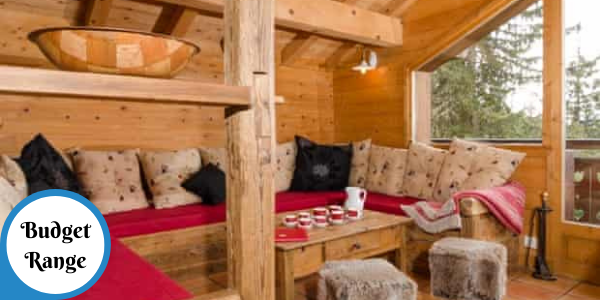
Expect to pay roughly $800–$2,000 per week for a basic self-catered chalet sleeping six to eight people. That breaks down to approximately $15–$40 per person per night. You get the essentials — beds, kitchen, heating — without extras. Location is typically a shuttle ride from the lifts. These properties work well for groups who prioritize mountain time over accommodation quality.
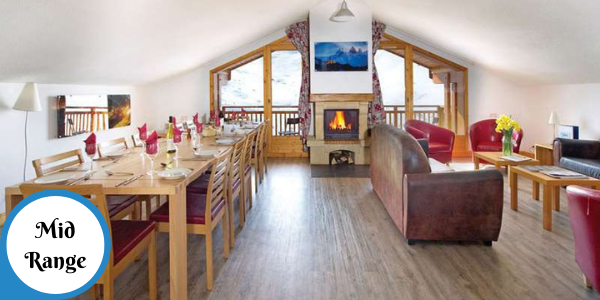
Mid-Range Chalets
The $2,000–$6,000 per week range is where most group ski vacationers land. This is the sweet spot — better finishes, a hot tub, proper beds, and often catered service for breakfast and dinner. Slope access is typically 5–15 minutes on foot or a quick shuttle. You're comfortable without overpaying, and the per-person cost remains very reasonable when split across a full group.
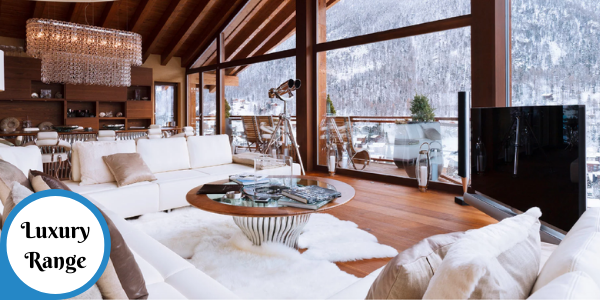
Luxury Chalets
Top-tier ski chalet vacation homes run from $6,000 to well over $50,000 per week. Private chefs, ski concierge service, on-site spas, cinema rooms, wine cellars, and direct piste access are standard at this level. Split across 8–12 people, the per-person cost at the lower end of the luxury bracket ($6,000–$15,000 weekly) remains far lower than most people assume — and the experience is genuinely unmatched.
Frequently Asked Questions
What exactly is a ski chalet?
A ski chalet is a private vacation home built in or near a ski resort, typically designed with mountain architecture — sloped roofs, exposed timber, large windows. It gives you the full comforts of a home with convenient access to the slopes.
How is a ski chalet different from a regular vacation rental?
A ski chalet is specifically positioned for slope access and built around the needs of skiers — boot rooms, ski storage, proximity to lifts. A standard vacation rental might be anywhere. The chalet format prioritizes mountain living as a complete package.
What does "ski-in, ski-out" mean for a chalet?
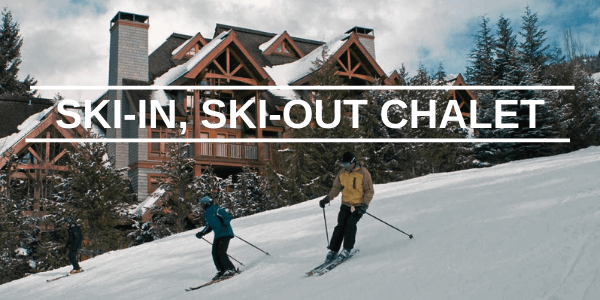
Ski-in/ski-out means you can clip into your bindings directly from the property and ski to the lifts without walking or taking transport, then ski back to the chalet door at the end of the day. True ski-in/ski-out properties are rarer and command a premium price.
Are catered ski chalets worth the extra cost?
For most groups, yes. A catered chalet includes a private cook who handles breakfast and a full dinner each day. When you compare that against eating at resort restaurants every night — which is expensive — catered chalets often break even while delivering far better food and eliminating the hassle of cooking after a long day on the mountain.
How far in advance should you book a ski chalet?
For peak periods like Christmas, New Year's, and school holidays, book six to twelve months in advance. The best-positioned properties at major resorts are gone within weeks of the booking window opening. For shoulder season and midweek stays, three to four months is usually sufficient.
Can complete beginners stay in a ski chalet?
Absolutely. Ski chalets suit every skill level. For beginners, look for properties close to ski school meeting points and beginner terrain. A chalet actually accelerates beginner progression because you spend more time on the mountain and less time dealing with hotel logistics.
What's typically included in a ski chalet rental?
Self-catered chalets include the property itself — kitchen, bedrooms, bathrooms, and communal space. Catered chalets add a private cook for breakfast and dinner. Both typically include linens, heating, and Wi-Fi. Boot rooms, ski storage, and hot tubs vary by property and price point — always confirm before booking.
How many people do you need to make a ski chalet cost-effective?
A group of four is typically the minimum where a chalet starts making financial sense compared to hotel rooms. Groups of six to ten hit the optimal cost-per-person sweet spot. Larger groups get even better value, though coordinating a big group adds its own logistical complexity.
Key Takeaways
- A ski chalet is a private mountain vacation home that combines slope access with full home comforts — and splits cheaply across a group of four or more.
- Catered chalets often match or beat restaurant costs while delivering better food and zero cooking effort after a long day on the mountain.
- Budget, mid-range, and luxury tiers all exist — the right choice depends on your group size, trip length, and how much you value slope proximity over price.
- Book at least six months ahead for peak weeks, verify every slope access claim on a trail map, and always read the cancellation policy before paying a deposit.
 |
 |
 |
 |

About Frank V. Persall
Frank Persall is a lifelong skier originally from the United Kingdom who has spent years pursuing the sport across premier resorts in Europe, North America, and beyond. His passion for skiing has taken him from the Alps to the Rocky Mountains, giving him a broad perspective on resort terrain, snow conditions, gear performance across price points, and the practical realities of ski travel with a family. At SnowGaper, he covers ski resort guides, gear reviews, and skiing technique and travel resources for enthusiasts of every level.
You can get FREE Gifts. Or latest free skiing books here.
Disable Ad block to reveal all the info. Once done, hit a button below
|
|
|
|