Our team remembers standing at the base of Steamboat Springs one early November, watching the snowmakers roar to life before opening day. The base was thin, the lifts weren't spinning, and the mountain was barely awake — but the season felt close enough to taste. That moment turned ski season length in USA resorts into one of our most-researched topics.
American skiing stretches across an enormous range of climates, elevations, and snowfall patterns. A small Midwest hill might operate for 15 weeks if the weather cooperates. A high-altitude heavyweight like Arapahoe Basin or Mammoth Mountain can stay open well past Memorial Day. Knowing exactly how long each type of resort runs helps anyone plan smarter vacations, pick the right season pass, and spend more time on snow every winter.

On average, most US ski resorts operate for 18 to 22 weeks — roughly four to five months. The typical window runs from mid-November through late March or early April. But that average hides a lot of variation. Understanding where resorts fall on the spectrum, from the shortest seasons to the longest, is the first step toward getting the most out of every winter.
Contents
Ski Season Lengths Across the USA: Real Numbers
The ski season length in USA resorts isn't one number — it's a spectrum. According to the National Ski Areas Association, the United States is home to roughly 470 ski areas, and their operating seasons range from under 10 weeks to over 32 weeks. The table below breaks down what different regions typically deliver.
| Region | Typical Open Date | Typical Close Date | Average Season Length |
|---|---|---|---|
| Midwest | Late November / Early December | Early to Mid-March | 12–16 weeks |
| Northeast (New England) | Late November / Early December | Early to Mid-April | 18–22 weeks |
| Southeast (Appalachians) | Mid-December | Mid-March | 12–14 weeks |
| Rocky Mountains (CO, UT, WY) | Early to Mid-November | Late April / May | 22–26 weeks |
| Pacific Northwest (WA, OR) | Late November | Late April | 20–22 weeks |
| Sierra Nevada (CA) | Mid-November | May / June (high-altitude) | 24–32 weeks |

The Midwest and East Coast
Midwest resorts operate on the most unpredictable schedules. Elevation is low, natural snowfall is inconsistent, and snowmaking systems do the heavy lifting. Most of these areas open by Thanksgiving weekend when temperatures allow and close by early March. New England has a clear advantage — higher elevations in Vermont, New Hampshire, and Maine produce more consistent snowpack, and several mountains there regularly stay open into April.
Anyone curious about what state has the most ski resorts in the USA will find that New York leads the count, though Vermont and Colorado dominate in total skiable terrain and season length. Regional context matters enormously when comparing raw resort numbers against actual ski days.
The Rockies and Sierra Nevada
Colorado, Utah, and Wyoming are the gold standard for long seasons. Resorts like Arapahoe Basin in Colorado and Alta in Utah regularly ski into late April or May. The Sierra Nevada takes things even further — Mammoth Mountain, sitting above 11,000 feet, holds snow deep into June in strong-snowfall winters. Our team consistently finds these regions worth the extra travel cost for anyone who wants raw, reliable ski days piled up fast.
Choosing the Right Resort for Maximum Ski Days
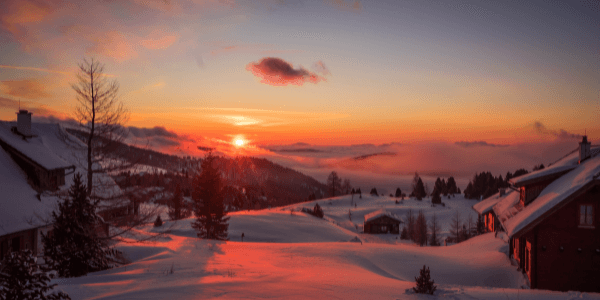
Not all resorts are created equal. When our team evaluates a mountain for total season potential, two primary factors come into play: base elevation and snowmaking infrastructure. Both determine how early a resort can open and how long it holds on before spring heat forces a shutdown.
The Elevation Factor
Base elevation is the single biggest predictor of season length. Resorts with base areas above 8,000 feet — like Breckenridge (9,600 ft base), Mammoth Mountain (7,953 ft base), and Snowbird (8,100 ft base) — naturally hold cold temperatures longer and build deeper snowpack. Lower-elevation resorts fight a harder battle every spring. Our research shows that for every 1,000-foot gain in base elevation, a resort can realistically expect two to three extra weeks of skiable conditions at the end of the season. Elevation is the number that matters most when comparing season lengths side by side.
Snowmaking as a Season Extender
Modern snowmaking systems have transformed what's possible for low-to-mid elevation resorts. Resorts that invest heavily in snowmaking — Vail, Killington, Boyne Mountain — can open weeks earlier than natural snowfall alone would allow and push their closing dates even as temperatures fluctuate. The tradeoff is real: man-made snow is often denser and icier than natural powder. Our team notices it immediately on the first groomed run of the morning. But for resorts that would otherwise sit idle waiting for storms, snowmaking is the difference between a 12-week and a 20-week season.
How to Plan a Trip Around the Ski Calendar
Getting the timing right is half the battle. Our team has spent many seasons booking trips too early (thin coverage and wind-burned faces), too late (slushy corn snow by noon), and occasionally just right. Planning a ski trip with the season calendar front and center cuts down on expensive mistakes and wasted travel days.
Booking the Opening Weeks
Opening weeks — typically mid-November through early December — carry real risk. Coverage is often limited to a handful of runs, snowmaking guns are roaring, and crowds are light. For experienced skiers who don't mind fewer terrain options and harder surfaces, the early season offers the best lift ticket prices of the entire winter. Our team considers the opening weeks a solid bet at high-elevation resorts in Colorado or Utah, where natural early-season snowfall often outpaces expectations.
For less experienced skiers, waiting until January makes more sense. By then, most runs are open, snowpack is established, and the mountain is operating at full capacity with a full grooming rotation running nightly.
Timing the Spring Close
Late March through May is where many experienced skiers find their best value and their best conditions. Spring skiing — warm midday sun, settled snowpack, and relaxed crowds — makes this window genuinely enjoyable. The morning hours deliver firm, fast snow. By early afternoon, the surface gets heavy and slow. Most seasoned skiers our team has spoken with recommend being on the lift by 8 a.m. and off the mountain by 1 p.m. during spring sessions. The reward for that early alarm is often the most fun skiing of the entire season.
Peak Season vs. Shoulder Season: When the Slopes Shine
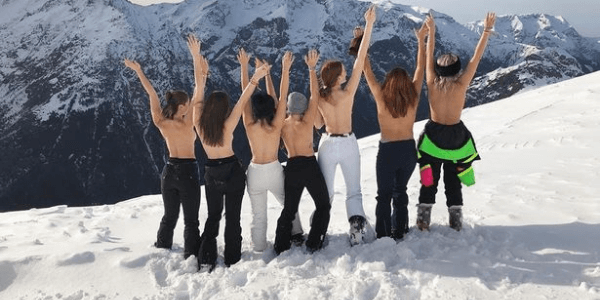
Peak season in US ski resorts clusters around Christmas through New Year's, Martin Luther King weekend, and Presidents' Week in February. These are the most crowded, most expensive periods on any mountain. Our team does not recommend peak-week trips for anyone on a budget or for anyone who values short lift lines over the festive energy of a packed resort village.
Why Shoulder Season Wins for Experienced Skiers
Shoulder season — early December, January weekdays, and the month of March — delivers the best combination of conditions, value, and accessibility. Lift lines disappear. Prices drop. Lodging costs fall 30 to 50 percent compared to peak holiday weeks. Our team consistently books shoulder-season trips and almost always comes home with a better experience than peak-week travelers report. For anyone wondering about the upper limits of comfortable skiing as spring temperatures climb, our guide on how warm is too warm for skiing walks through the practical temperature thresholds that affect snow quality and safety.
When Peak Season Makes Sense
Peak season isn't without its merits. Families with school-age children often have no choice but to book holiday weeks — and that's completely fine. The mountain atmosphere during Christmas or Presidents' Week is genuinely festive. Après-ski is livelier. The resort village buzzes with energy. Our team recommends buying passes or discounted tickets well in advance if peak-season travel is unavoidable. Knowing how to find cheap lift tickets ahead of time makes a meaningful difference to the overall trip budget and removes a significant source of last-minute stress.
Tips for Getting More Days on Snow Each Season
Maximizing ski days isn't just about picking the right resort — it's about a handful of smart habits that compound over time. Our team has tested most of these strategies across dozens of seasons and resorts spanning every region of the country.
Pass Strategy
Season passes and multi-resort passes (Ikon, Epic) are the most reliable way to increase annual ski days. The math is straightforward: a single-day lift ticket at a major Colorado resort runs $150–$250. An Ikon or Epic base pass costs roughly the equivalent of three to four day tickets and provides access to 40+ resorts across the country. Anyone who skis five or more days per season comes out ahead with a pass. Our team treats pass selection as the single highest-leverage decision in the ski planning process — made in the spring when early-bird pricing drops the cost significantly.
Reading Conditions Like a Pro
Not every snow forecast turns into a great powder day. Understanding snowfall windows and temperature cycles helps skiers show up on the right days. Our team monitors storm tracks two weeks out, books flexible lodging when possible, and has learned to wait 24 to 48 hours after a big storm before heading up. Skiing immediately after a dump is exhilarating — but the best post-storm snow usually appears the morning after the storm clears, once the grooming crews have had overnight access to the mountain. Patience, in this case, pays in powder.
Building a Long-Term Ski Life Around the Calendar
The most dedicated skiers our team has encountered don't think in single seasons. They think across years — stacking resorts, chasing snow, and building routines that keep them on the mountain for as many weeks as possible. Anyone who sees themselves in these 20 signs of ski addiction will recognize this mindset immediately, and probably already has a multi-resort strategy mapped out on a calendar somewhere.
Following the Snow
When the season winds down in Colorado, it often continues in the Sierra Nevada. When California closes, some skiers pivot to summer glacier skiing in the Pacific Northwest at Mt. Hood, which maintains a ski area through July in most years. Our team has mapped out a loose annual circuit that hits Colorado in January, the Sierra Nevada in April, and Hood in late June — effectively extending our ski season well past what any single regional commitment would allow.
Stacking Resorts Across a Single Winter
Within a single winter, stacking two or three resorts from different regions captures the best of each season window. A typical approach: start in Utah or Colorado in November for early-season powder, migrate east to New England in February for dependable cold and groomed hardpack, then finish in California or the Pacific Northwest for spring corn snow in April and May. This approach maximizes the ski season length in USA travel and ensures that one bad-snow region doesn't sink the entire winter. Our team considers it the most effective long-term strategy for serious skiers who have flexibility in their schedules.
Frequently Asked Questions
How long is the average ski season in the USA?
The average ski season length in USA resorts runs 18 to 22 weeks, typically from mid-November through late March or early April. High-altitude resorts in the Rockies and Sierra Nevada can push that to 26 or even 32 weeks in strong snow years, while smaller Midwest areas may run only 12 to 15 weeks.
Which US state has the longest ski season?
California regularly produces the longest ski seasons in the country. Mammoth Mountain, sitting above 11,000 feet in the Sierra Nevada, has skied as late as August in exceptional snow years. Colorado and Utah are close behind, with many resorts staying open well into May at high-elevation terrain.
When does ski season typically start in the USA?
Most major US ski resorts begin opening in mid-November, with high-elevation resorts in Colorado and Utah sometimes opening in late October. Lower-elevation and Midwest resorts typically wait until late November or early December, depending on whether temperatures stay cold enough for snowmaking to be effective.
When does ski season end in the USA?
The majority of US ski resorts close between late March and mid-April. Spring skiing at high-altitude destinations like Mammoth Mountain, Arapahoe Basin, and Snowbird extends into May or June. A small number of areas — notably Timberline Lodge on Mt. Hood in Oregon — operate through summer on glacier terrain.
What is the best time to ski in the USA?
Our team considers January and early February the sweet spot for most US ski destinations. Snowpack is well-established, temperatures are cold enough to maintain excellent snow quality, and the post-holiday crowds have thinned out. Mid-week trips during this window deliver the best combination of conditions and uncrowded slopes.
Do Midwest ski resorts have shorter seasons than Western resorts?
Yes, significantly. Most Midwest ski resorts operate for 12 to 16 weeks on average, relying heavily on snowmaking infrastructure to extend their seasons. Western resorts at higher elevations routinely operate 22 to 30+ weeks, with natural snowfall providing a much deeper and longer-lasting base that snowmaking alone cannot replicate.
Is spring skiing worth visiting at the end of the ski season?
Spring skiing is one of the most underrated experiences in American skiing. Morning snow conditions are often excellent — firm, fast, and well-settled from overnight temperatures. Crowds thin out, prices drop, and the relaxed atmosphere makes for an enjoyable mountain experience. Our team recommends arriving early and finishing before early afternoon, when the snow softens considerably under the spring sun.
Key Takeaways
- The ski season length in USA resorts ranges from roughly 12 weeks at lower-elevation Midwest hills to 30+ weeks at high-altitude Sierra Nevada destinations like Mammoth Mountain.
- Base elevation is the single most reliable predictor of season length — resorts above 8,000 feet consistently outlast lower-elevation competitors by several weeks at both ends of the calendar.
- Shoulder seasons in early December and March deliver the best combination of snow conditions, uncrowded slopes, and pricing for anyone willing to plan around peak holiday windows.
- Multi-resort pass holders who stack destinations across regions — Rockies in winter, Sierra Nevada or Pacific Northwest in spring — effectively double their annual ski days compared to committing to a single area.
 |
 |
 |
 |

About Frank V. Persall
Frank Persall is a lifelong skier originally from the United Kingdom who has spent years pursuing the sport across premier resorts in Europe, North America, and beyond. His passion for skiing has taken him from the Alps to the Rocky Mountains, giving him a broad perspective on resort terrain, snow conditions, gear performance across price points, and the practical realities of ski travel with a family. At SnowGaper, he covers ski resort guides, gear reviews, and skiing technique and travel resources for enthusiasts of every level.
You can get FREE Gifts. Or latest free skiing books here.
Disable Ad block to reveal all the info. Once done, hit a button below
|
|
|
|