You peeled your ski gloves off at the end of a long run and realized they were soaked through — liner, shell, cuffs, everything. That sinking feeling is something most skiers know well. Learning how to dry ski gloves properly is as essential as any other gear skill if you want to stay warm and protect equipment that didn't come cheap. Wet gloves left overnight don't just stay damp — they lose insulation efficiency, grow mildew, and break down faster than almost any other piece of ski clothing. For more gear care and mountain-ready advice, browse the full skiing guides on SnowGaper.

The tricky part is that the wrong drying method can do more harm than the wetness itself. Too much direct heat warps waterproof membranes and melts synthetic insulation. Too little airflow means you're pulling on damp gloves the next morning — and cold, wet hands are a quick path to a miserable day on the slopes. If you're heading to elevation, damp gloves become a genuine hazard, as anyone preparing for high altitude skiing quickly learns.
This guide covers every viable drying method, how they compare, and the habits that experienced skiers use daily. Follow these steps and you won't have to gamble on dry gloves again.
Contents
- Why Wet Ski Gloves Cause More Damage Than You'd Think
- Drying Methods — The Good, the Risky, and the Ones to Avoid
- Drying Method Comparison at a Glance
- How to Dry Ski Gloves Correctly — Step by Step
- Pro Tips to Speed Up Drying Without Causing Damage
- What Experienced Skiers Do on Multi-Day Trips
- Frequently Asked Questions
Why Wet Ski Gloves Cause More Damage Than You'd Think
How Moisture Attacks Glove Construction
Modern ski gloves are layered systems — outer shell, waterproof membrane, insulation, and liner. Each layer has a specific job. When water gets through, it compromises all of them at once.
- Waterproof membranes like Gore-Tex are heat-sensitive. Excess heat during drying causes delamination — the membrane separates from the outer shell and stops working entirely.
- Synthetic insulation (PrimaLoft, Thinsulate) loses loft when wet, reducing warmth significantly. It recovers with careful drying — but not if you apply too much heat.
- Down insulation, used in some premium gloves, clumps when saturated and takes considerably longer to dry. It also needs strict heat management.
- Leather outer shells crack and stiffen if dried too fast or too close to a heat source. Once leather cracks, there's no reversing it.
- Removable liners absorb sweat and interior moisture throughout the day and are often the wettest component by the time you get off the mountain.
Your gloves are more fragile during the drying process than they are while you're actually skiing in them. That's worth keeping in mind every time you reach for a heat source.
The Cold Hands Problem — and Bigger Risks
Cold, wet hands aren't just uncomfortable — they're a genuine hazard. Frostbite and frostnip set in faster than most people expect, especially on windy days or at altitude. If you want the full safety picture, the guide to avoiding ski injuries covers this in detail.
- Wet gloves drop your hand temperature dramatically within the first few minutes of cold exposure
- Cold hands affect grip strength, pole control, and reaction time
- Moisture inside the glove creates a wind-chill effect even in calm conditions
- Repeated wet-dry-wet cycles accelerate material breakdown and reduce warmth over time
Pro tip: If your hands are cold and wet before noon on the mountain, the problem started the night before — never skip the drying routine.
Drying Methods — The Good, the Risky, and the Ones to Avoid
Methods That Actually Work
These methods are effective and safe for the vast majority of ski glove constructions:
- Room temperature air drying — The slowest but safest option. Hang gloves on a hook or rack in a warm, ventilated room. Turn them inside out if the liner is removable to maximize airflow through both components.
- Electric boot and glove dryer — Purpose-built dryers circulate warm (never hot) air through the glove from the inside out. Excellent for consistent overnight drying without any risk to membranes or insulation.
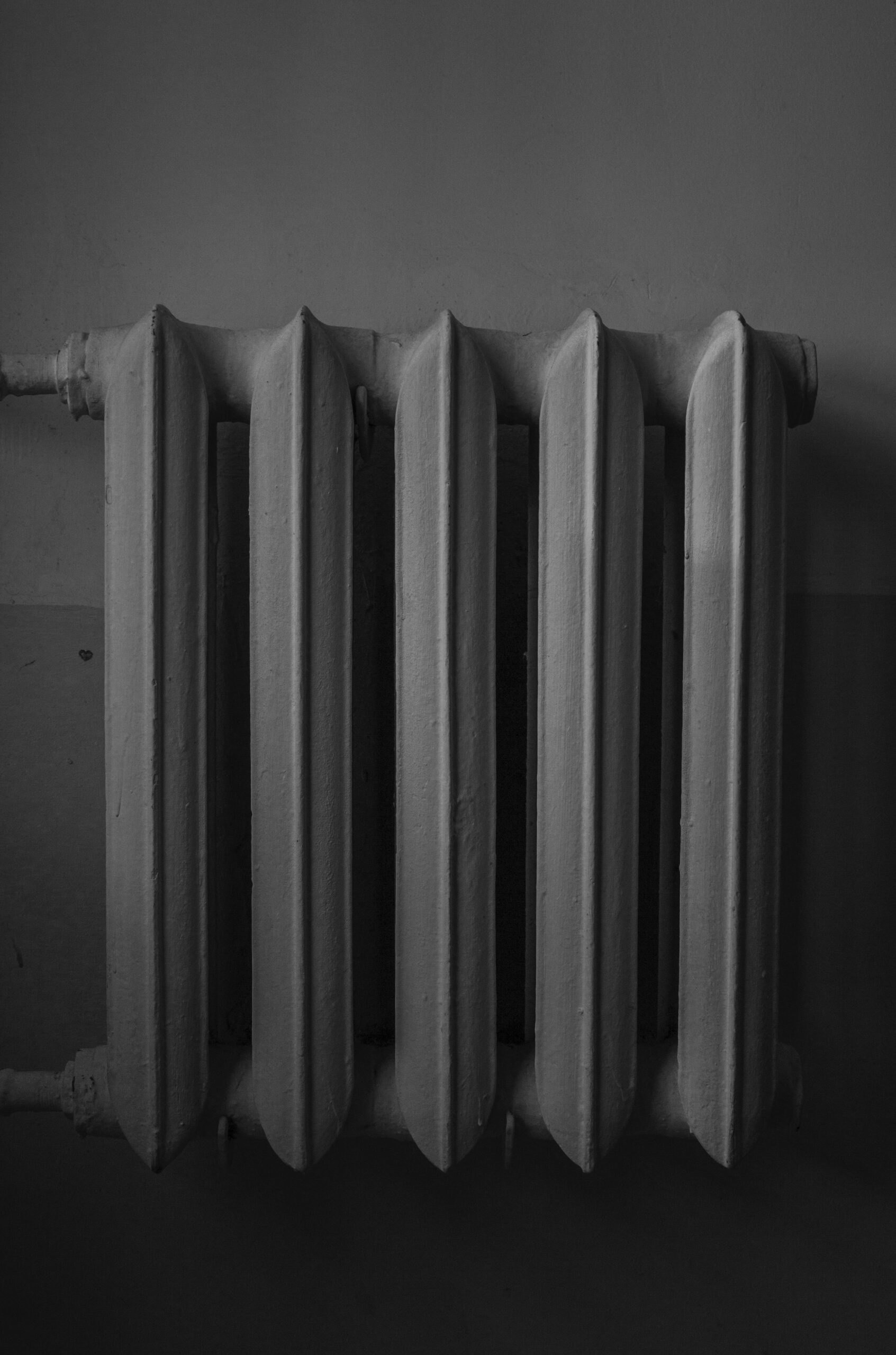
- Radiator with a rack or buffer — Effective when done right. Place a sturdy rack or folded thick towel between the gloves and the radiator surface. Never let the glove touch the radiator directly.
- Fan or dehumidifier — Moving dry air pulls moisture out efficiently without any heat risk. Aim a fan directly into the opening of the glove for faster results.
- Newspaper stuffing — An old but genuinely effective technique. Crumpled newspaper absorbs interior moisture while holding the glove's shape. Replace the newspaper halfway through the night for best results.
Methods That Can Damage Your Gloves
These methods carry real risk — particularly for technical ski gloves with waterproof membranes and specialized insulation:
- Direct radiator contact — Radiator surfaces regularly reach 70°C (160°F) or higher. That temperature melts synthetic materials, delaminate membranes, and cracks leather shells.
- Tumble dryer on a heat setting — Even a single session on medium or high heat can permanently destroy the waterproof membrane and cause insulation to mat down irreversibly.
- Oven or space heater (direct) — Extremely high, concentrated heat with minimal airflow. A reliable way to turn expensive gloves into garbage quickly.
- Microwave — Metal hardware in ski gloves (wrist buckles, embedded reflective materials) makes this not just ineffective but dangerous. Never attempt it.
Drying Method Comparison at a Glance
Not every situation calls for the same approach. Your method depends on how much time you have, what gear is available, and what your gloves are made of. Gloves are a real investment — for context on just how much ski gear adds up, take a look at how much it costs to go skiing. Protecting what you've already spent starts with drying your gear correctly every night.
| Method | Drying Speed | Safety for Gloves | Equipment Needed | Best For |
|---|---|---|---|---|
| Room air drying | Slow (8–12 hrs) | Excellent | Hook or rack | Any glove type, plenty of time |
| Electric glove dryer | Medium (4–6 hrs) | Excellent | Boot/glove dryer unit | Daily use, multi-day ski trips |
| Radiator with buffer | Medium (4–8 hrs) | Good (with buffer only) | Thick towel or wire rack | Hotel rooms, ski lodge rooms |
| Fan or dehumidifier | Medium (5–8 hrs) | Excellent | Standard fan | Rental accommodation, apartments |
| Newspaper stuffing | Slow (8–12 hrs) | Excellent | Old newspaper | Backcountry huts, emergencies |
| Hairdryer (cool/low setting) | Fast (1–2 hrs) | Moderate (requires care) | Hairdryer | Quick dry between sessions |
| Direct radiator contact | Fast (2–3 hrs) | Poor — avoid | None | Not recommended |
| Tumble dryer (heat setting) | Fast (under 1 hr) | Poor — avoid | Clothes dryer | Not recommended |
How to Dry Ski Gloves Correctly — Step by Step
The Standard Overnight Method
This is the routine that works for the vast majority of skiers, night after night. It takes less than five minutes to set up and produces dry, odor-free gloves every morning without risking material damage.
- Shake out excess water — Hold each glove by the cuff and shake hard. This removes the bulk of surface moisture immediately and speeds up the rest of the process.
- Remove the liners — If your gloves have removable liners, take them out now. They need to dry separately and will dry faster on their own than they will trapped inside the shell.
- Turn liners inside out — Flip the liner so the inner surface is exposed to air. This is the side that has absorbed the most sweat and needs the most airflow.
- Stuff the shell with newspaper or a microfiber cloth — This maintains the glove's shape and actively pulls moisture from the interior by absorption. Pack it loosely — you want airflow, not a sealed plug.
- Hang in a warm, ventilated room — Position gloves with the opening angled down or sideways so warm air circulates through naturally. Never seal them in a plastic bag or closed compartment while damp.
- Replace stuffing at the halfway point — Around 4–5 hours in, swap out wet newspaper for fresh dry sheets. This significantly accelerates the second half of the drying process.
- Check before you sleep — Press a finger into the thickest part of the insulation to feel for damp spots. If any remain, point a fan directly at the glove opening for another 30–60 minutes.
Drying Liner and Shell Separately
If you remember only one thing from this guide, make it this: always dry the liner and shell as separate components whenever your gloves allow it.
- Liners are thin and dry completely in 2–4 hours hanging in warm air
- Shells retain moisture in the insulation layer much longer — usually 6–12 hours depending on thickness and fill type
- Drying them together means you're waiting on the slowest component while the liner sits unnecessarily long in a damp micro-environment
- For non-removable liners, prop the glove open at the wrist with a stick or chopstick to maximize airflow through the opening
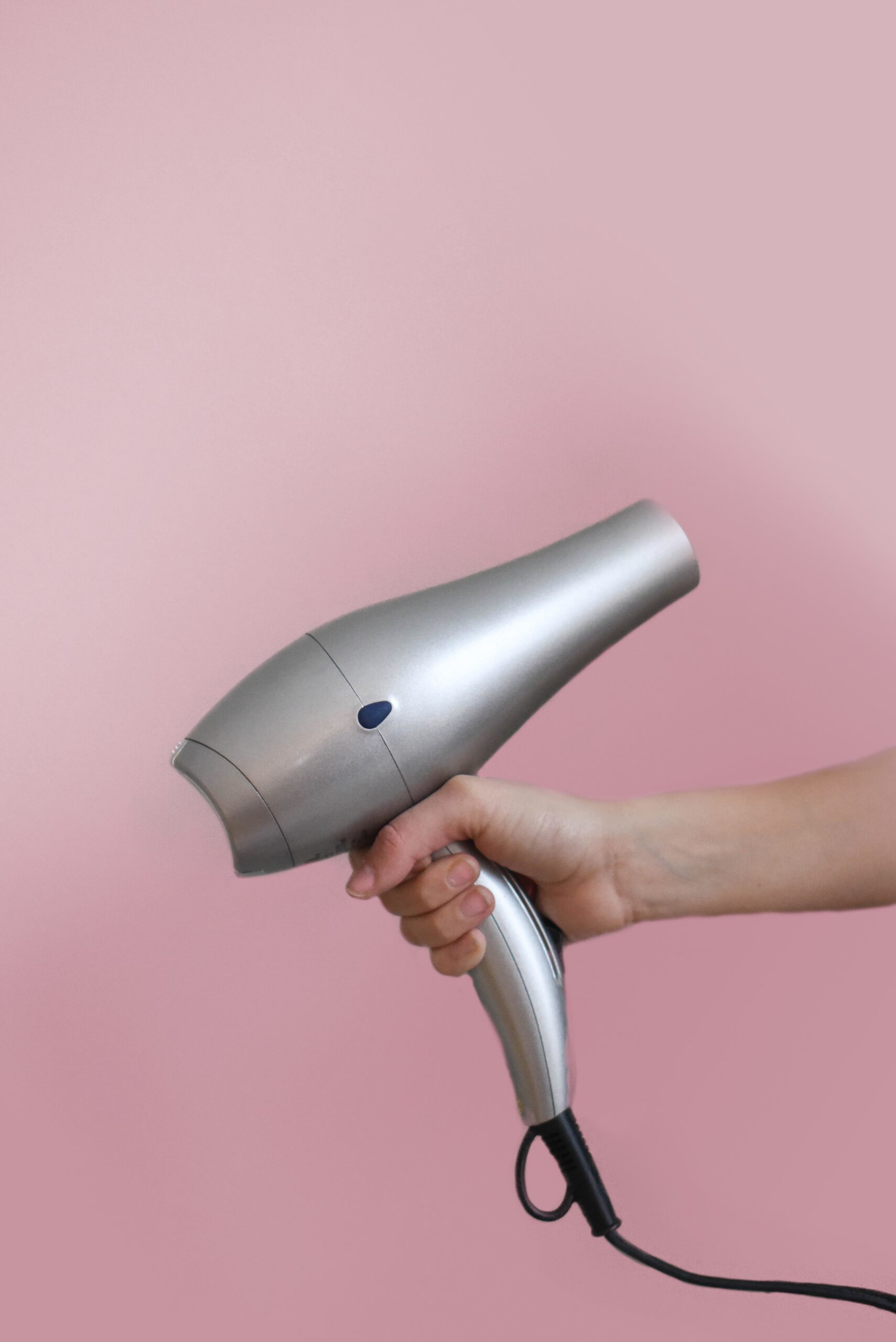
Warning: If you use a hairdryer, keep it on the cool or lowest heat setting, hold it at least 6 inches from the glove, and keep it moving constantly — never hold it stationary on one spot.
Pro Tips to Speed Up Drying Without Causing Damage
Gear Worth Owning
A few small purchases make a meaningful difference for any skier who takes their gear seriously. The same mindset that leads you to invest in a quality waterproof ski jacket should extend to how you maintain everything else in your kit — including your gloves.
- Electric boot and glove dryer — Brands like Peet and DryGuy make compact, affordable units that run safely overnight. They push warm (not hot) air through the glove from the inside out. Worth every dollar if you ski more than a week per season.
- Silica gel packets — Drop one or two inside each glove before long-term storage. They absorb residual moisture and prevent the stale smell that builds up in damp insulation over time.
- Microfiber towels — More absorbent than newspaper and fully reusable. Excellent as stuffing material for overnight drying, and small enough to pack in your ski bag.
- Glove clips or gear hooks — Keeps gloves hanging open and correctly positioned overnight. Most dedicated ski accommodation has them; bring your own if you're staying in a standard hotel.
- DWR spray — Not a drying tool, but part of long-term glove care. Re-apply Durable Water Repellent coating every season or when you notice water soaking in instead of beading off.
Common Mistakes That Ruin Gloves
Even experienced skiers make these errors. Most of them are easy to avoid once you know what to watch for.
- Storing wet gloves in your ski bag or boot bag — traps moisture and creates mildew within hours in an enclosed space
- Using a tumble dryer on any heat setting — ruins the waterproof membrane on the first cycle in most gloves
- Leaving gloves directly on the radiator unattended overnight — the surface gets far hotter than you expect and the damage is irreversible
- Ignoring the liner — it holds more sweat moisture than the shell and needs equal drying attention every single night
- Skipping DWR re-treatment — a glove that's lost its water repellency soaks through much faster, making the whole problem worse from the start
What Experienced Skiers Do on Multi-Day Trips
Lodge and Base Area Drying Habits
If you're spending a full week on the mountain, glove drying becomes a non-negotiable daily ritual. Common ski injuries get most of the attention, but cold, wet hands quietly ruin trips by grinding down comfort and focus day by day. The skiers who still perform well on day five are the ones who handled their gear properly on days one through four.
- Bring gloves inside immediately after skiing — never leave them in a cold car, locker, or gear room overnight
- Set up your drying station as soon as you're back in the room — the earlier you start, the more time they have before morning
- Rotate between two pairs if you ski hard every day — one drying while you wear the other eliminates the problem entirely
- Ask your accommodation about a dedicated drying room — most proper ski lodges have a heated gear room with racks and airflow specifically for this purpose
- Use a small travel fan if your room lacks ventilation — even a USB-powered desk fan pointed at open gloves makes a measurable difference overnight
When You're Staying in a Backcountry Hut
Resources are limited in a hut environment, but you still have reliable options. This is where old-school techniques earn their place.
- Hang gloves near (not directly over) the wood stove — maintain at least 30–40 cm of distance between the glove and any surface that radiates heat
- Use the newspaper stuffing method and replace it twice before you go to sleep for maximum moisture absorption
- Sleep with liner gloves inside your sleeping bag if they're still slightly damp — your body heat finishes the job efficiently
- Never place anything directly on a hot stove surface — even a few minutes of contact at that temperature will destroy the shell material
Pro insight: On a multi-day backcountry trip, keeping your liners dry matters more than keeping your shells dry — liners are what actually maintain contact with your skin and regulate hand temperature.
Frequently Asked Questions
How long does it take to dry ski gloves?
It depends on the method and how saturated the gloves are. Air drying in a warm room takes 8–12 hours for a thoroughly wet pair. An electric glove dryer brings that down to 4–6 hours. A hairdryer on a cool or low setting can dry gloves in 1–2 hours but requires constant attention to avoid heat damage.
Can I put ski gloves in the tumble dryer?
Only on a no-heat or air-only setting, and only if your gloves have no leather components. Never use medium or high heat — it destroys the waterproof membrane in most ski gloves after a single cycle and can permanently compress synthetic insulation.
Is it safe to dry ski gloves on a radiator?
Only with a proper buffer between the glove and the surface. Use a thick folded towel or a wire rack so the glove never makes direct contact with the radiator. Without a buffer, radiator surfaces reach temperatures high enough to warp synthetic shells and crack leather. Monitor and rotate them regularly.
How do I dry ski gloves overnight in a hotel room?
Use the hotel radiator with a towel buffer, or hang gloves from a hook or hanger near (not directly over) a heat vent. Stuff the inside with crumpled newspaper or a microfiber towel. Remove liners if possible and hang them separately. This approach reliably produces dry gloves by morning in most hotel room conditions.
Why do my ski gloves still smell after I've dried them?
The odor is caused by bacteria that grow in damp insulation. If the gloves weren't fully dry before storage, bacteria continue to multiply. Fix it by washing the liners according to the manufacturer's instructions, drying them completely, and storing each glove with a silica gel packet inside to absorb any remaining residual moisture.
Should I re-waterproof my ski gloves after drying?
Yes — periodically. Most ski gloves have a DWR (Durable Water Repellent) coating that degrades with use and washing over time. Once you notice water soaking into the outer shell instead of beading off the surface, it's time to re-treat. Apply a spray-on DWR product after the gloves are clean and completely dry for best adhesion and coverage.
Dry gloves tonight — that's the whole secret to warm hands tomorrow.
 |
 |
 |
 |

About Frank V. Persall
Frank Persall is a lifelong skier originally from the United Kingdom who has spent years pursuing the sport across premier resorts in Europe, North America, and beyond. His passion for skiing has taken him from the Alps to the Rocky Mountains, giving him a broad perspective on resort terrain, snow conditions, gear performance across price points, and the practical realities of ski travel with a family. At SnowGaper, he covers ski resort guides, gear reviews, and skiing technique and travel resources for enthusiasts of every level.
You can get FREE Gifts. Or latest free skiing books here.
Disable Ad block to reveal all the info. Once done, hit a button below
|
|
|
|