Ski Gear ›
Best Girls' Skiing & Snowboarding Gloves: Reviews, Buying Guide and FAQs 2026
by Frank V. Persall
The Burton Kids' Gore-TEX Insulated Mittens stand out as the top pick for girls heading to the mountain in 2026, delivering certified waterproof Gore-TEX protection with lifetime warranty backing that no other glove in this category can match. Finding the right pair of ski or snowboard gloves for girls is one of those decisions that quietly determines whether a day on the snow ends in laughter or tears — cold, wet hands kill enthusiasm faster than anything else on the mountain. The gloves reviewed here cover a wide range of budgets and riding styles, from entry-level insulated options for resort days to premium leather constructions designed to survive years of hard use.
Ski and snowboard gloves for girls need to balance warmth, waterproofing, and dexterity in a way that adult gloves rarely have to consider. Kids' hands run cold faster than adults', and growing fingers need gloves that fit snugly without cutting off circulation or leaving gaps where snow can sneak in. The seven models below represent the strongest options available on Amazon right now, selected for their construction quality, insulation performance, and real-world durability based on available specifications and verified buyer feedback. Buyers shopping for boys' gloves at the same time should check out the Best Boys' Skiing & Snowboarding Gloves guide for 2026 for side-by-side comparisons across gender-targeted fits.
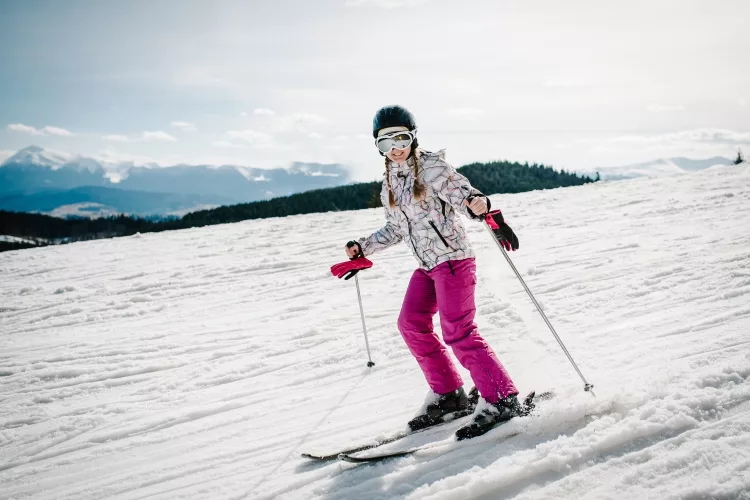
Whether the priority is maximum warmth for frigid groomer days, lightweight breathability for active tree runs, or eco-conscious construction using recycled materials, the options below cover every scenario a young rider might face. All seven gloves are available through ski gear reviews categories covering the full spectrum of winter sports equipment, and each pick has been chosen because it delivers measurable, spec-backed performance rather than marketing claims. Parents who want deeper context on the difference between water-resistant and truly waterproof construction — a distinction that matters enormously for kids — should read the Wikipedia overview of waterproofing technology before making a final decision.
Contents
Standout Models in 2026
- #PreviewProductRating
- Bestseller No. 1
 Rating:

- Bestseller No. 2
 Rating:
 - Bestseller No. 3
 Rating:
 - Bestseller No. 4
 Rating:
 - Bestseller No. 5
 Rating:
 - Bestseller No. 6
 Rating:
 - Bestseller No. 7
 Rating:
Product Reviews
1. Roxy Jetty Girl Solid Snow Mitt — Best Eco-Conscious Mitten
Roxy built the Jetty Girl Solid Snow Mitt around ROXY DryFlight technology, a fabric blend that combines 54.8% recycled polyester with 45.2% polyester in a printed fabric block construction — making this one of the more environmentally responsible choices in the junior category for 2026. The outer shell carries a PFC-free durable water repellency (DWR) treatment, which means the water-beading coating does not use the perfluorocarbon (PFAS) chemicals increasingly flagged by environmental regulators. The waterproof PU (polyurethane) palm rounds out the construction, providing a solid barrier against snow pack and icy chairlift bars.
The mitten format immediately gives warmth an advantage over five-finger gloves — fingers share heat in a single chamber rather than losing it through individually exposed digits. For resort skiing on colder days in the minus-ten-to-minus-twenty Celsius range, that difference is genuinely noticeable for young riders. The Roxy Jetty Girl sits at an accessible price point relative to premium brands, which makes it a strong candidate for parents whose daughters are still growing rapidly and will need a new size in a season or two. The PFC-free DWR treatment positions this mitten well for buyers who prioritize environmental responsibility alongside performance.
Fit runs true to Roxy's youth sizing, and the solid colorway works across all mountain environments without fading as quickly as printed fabrics tend to. The mitten format does sacrifice some pole-grip precision compared to five-finger gloves, but for girls under ten who are still developing their ski technique, that trade-off rarely matters in practice. The waterproof PU palm holds up well against repeated contact with hard snow surfaces and ski pole handles through a full season of moderate use.
Pros:
- PFC-free DWR treatment with recycled polyester construction
- Mitten format maximizes warmth for colder resort days
- Waterproof PU palm resists moisture penetration effectively
- Accessible price point for fast-growing younger girls
Cons:
- Mitten format reduces fine dexterity for pole handling
- DryFlight waterproofing is less proven than Gore-TEX certification
2. Hestra Army Leather Heli Ski Junior Glove — Best Premium Leather Build
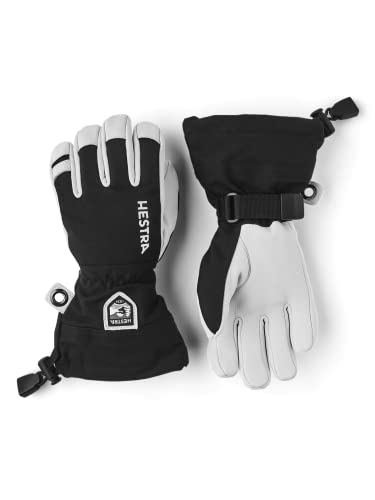
Hestra has been making ski gloves in Sweden since 1936, and the Army Leather Heli Ski Junior represents everything the brand has learned in nearly ninety years of cold-weather construction. The palm and fingers use Army Goat Leather — the same material found on Hestra's adult heli-skiing models — providing abrasion resistance that synthetic materials simply cannot match over multiple seasons. The backhand uses HESTRA Triton fabric, a windproof, waterproof, and breathable membrane construction that balances weather protection with the kind of moisture management that keeps hands comfortable during active skiing rather than just when standing still.
The insulation is a very thin polyester fiber with exceptionally high insulating capacity, a technical specification that translates into warmth without the bulk that plagues many junior gloves. This is the glove for girls who ski aggressively in genuinely cold conditions — heli-ski terrain, backcountry access routes, or high-altitude resorts where temperatures regularly drop well below freezing. The five-finger construction maintains pole grip and goggle adjustment dexterity that mittens cannot offer, which matters for older girls who have developed proper ski technique and rely on precise hand movements throughout the day. Buyers interested in understanding the broader world of mountain skiing styles that demand gloves this capable should read the complete guide to heli skiing for context on the extreme conditions these gloves were designed to handle.
The leather palm requires occasional conditioning to maintain its water resistance and suppleness, which adds a small maintenance responsibility compared to synthetic alternatives. That said, a well-maintained pair of Hestra Junior gloves will outlast two or three seasons of synthetic competitors — making the higher upfront cost a legitimate long-term value proposition for girls who ski fifty-plus days per year. The sizing runs from youth 4 through 13, covering a wide age range with consistent fit quality.
Pros:
- Army Goat Leather palm delivers unmatched abrasion resistance
- Triton membrane provides certified windproof and waterproof backhand protection
- Thin high-capacity insulation keeps bulk minimal without sacrificing warmth
- Multi-season durability justifies premium price for frequent skiers
Cons:
- Leather palm requires periodic conditioning to maintain performance
- Higher price point than most competitors in the junior category
3. Burton Kids' Gore-TEX Insulated Mittens — Best Overall
The Burton Kids' Gore-TEX Insulated Mittens earn the top spot in this roundup by combining the most reliable waterproofing technology available — genuine GORE-TEX membrane certification — with a thoughtfully engineered design built specifically for young riders who move hard and fall often. Gore-TEX certification means the membrane is independently tested and guaranteed to keep water out, not just treated with a coating that degrades over time and repeated washing. The over-the-cuff fit, wide gauntlet, and side zipper combination solves the most common complaint parents have with kids' mittens: snow infiltration at the wrist when a child goes down on the slope or digs through powder.
The insulation uses ThermacoreECO, a low-profile fill made from 95% recycled materials that provides warmth without creating the thick, stiff mitten profile that makes younger kids struggle with chairlift bars and buckles. Burton's Lifetime Warranty on all outerwear backs every pair of these mittens — a commitment that no other brand in this roundup matches and that effectively eliminates the risk of manufacturing defects costing a buyer twice. The removable wrist leash, D-ring, hook attachment point, soft nose wipe on the thumb, and Screen Grab touchscreen-compatible palm create a feature set that parents will appreciate as much as the kids wearing them. Screen Grab technology means girls can use smartphones or ski resort apps without pulling off their mittens in the cold, which matters more than it might initially seem on a full mountain day.
The adjustable wrist cinch and extended gauntlet work in combination to create a sealed system that keeps snow out even during deep powder days or repeated falls in terrain parks. Burton designed the hook-and-loop strap to stay secure through the kind of rough handling that junior riders deliver constantly, and the construction has held up to that expectation based on consistent buyer feedback across multiple seasons. For girls who ski in unpredictable mountain weather — where conditions shift from overcast and mild to blowing snow within a single afternoon — these mittens provide the confidence that comes from certified all-conditions protection.
Pros:
- Genuine Gore-TEX membrane provides certified, independently tested waterproofing
- Burton Lifetime Warranty covers the full construction against defects
- ThermacoreECO insulation uses 95% recycled materials with low bulk
- Screen Grab palm enables touchscreen use without removing mittens
- Extended gauntlet and adjustable cinch lock out snow completely
Cons:
- Mitten format limits individual finger dexterity for older skilled skiers
- Premium price reflects premium materials — not the budget choice
4. Gordini Juniors' Stomp Glove — Best Mid-Range Five-Finger Option
Gordini's Juniors' Stomp Glove carries the bluesign APPROVED certification on its shell — an environmental and manufacturing standard that verifies responsible chemical use and resource efficiency throughout production, which is increasingly relevant to environmentally conscious buyers in 2026. The polyester shell with triple-layer breathable soft shell trim creates a construction that flexes with a child's hand movement rather than fighting against it, and the textured palm and fingers deliver genuine grip improvement on pole handles and chairlift safety bars compared to smooth synthetic alternatives.
The AquaBloc insert is Gordini's proprietary waterproof-breathable membrane (similar in concept to Gore-TEX but manufactured in-house), which sits between the outer shell and the moisture-wicking lining to block external moisture while allowing internal sweat vapor to escape. That breathability matters for active girls who generate significant body heat during hard skiing — a glove that traps sweat becomes just as cold and uncomfortable as one that lets in snow, though for the opposite reason. The Megaloft synthetic insulation fills the warmth gap without adding excessive bulk, making this a natural fit for older girls who ski with enough intensity to generate their own heat and need a glove that manages that heat rather than just adding more of it.
The moisture-wicking lining against the skin keeps hands dry from the inside out, working in tandem with the AquaBloc membrane to create a two-direction moisture management system. At the mid-range price point, the Stomp Glove delivers a feature set that competes meaningfully with gloves priced significantly higher, making it one of the stronger value picks in this roundup for parents who want five-finger dexterity without paying premium-brand prices. The textured grip on the palm also performs well for snowboarders who rely on hand contact with the board during tricks and falls.
Pros:
- bluesign APPROVED certification confirms responsible manufacturing standards
- AquaBloc insert provides waterproof-breathable performance at accessible price
- Textured palm improves grip on poles and chairlift bars
- Moisture-wicking lining manages sweat from active riding
Cons:
- AquaBloc is less proven than Gore-TEX for extreme wet-weather conditions
- Black colorway limits visibility options for style-conscious younger riders
5. Kombi Junior Storm Cuff Gloves — Best for Dexterity and Grip
Kombi has positioned the Junior Storm Cuff as the most technically feature-dense glove in this roundup at its price tier, packing X-Loft insulation, a Waterguard waterproof membrane, ACCU-DRI moisture-wicking lining, a 16-layer Softshell construction, and Fingertip wrap-cap construction into a single five-finger glove design aimed squarely at active young skiers and snowboarders. X-Loft insulation provides superior warmth-to-weight efficiency with strong water resistance of its own — meaning the insulation retains most of its warming capacity even if small amounts of moisture penetrate the outer shell, which happens with any glove during an extended fall or deep powder session.
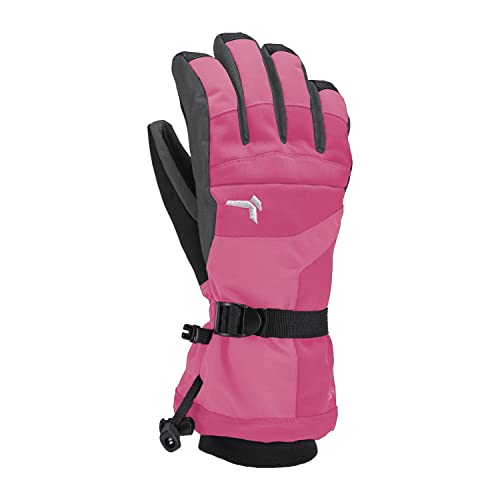
The Waterguard insert handles primary waterproof-breathable duties through a dedicated membrane that allows sweat vapor out while blocking liquid water entry, while the ACCU-DRI lining actively wicks moisture away from skin and pushes it toward the shell where it can evaporate. The Traction PU Palm with touchscreen compatibility gives this glove the grip performance of a specialized palm material while still allowing smartphone and ski resort app access without de-gloving in cold temperatures. The Fingertip wrap-cap construction reinforces the finger tips — the highest wear area on any glove — extending the useful life of the glove beyond what standard stitched fingertips typically deliver. The Deep Pink colorway available in this model gives younger girls a bright, high-visibility option that also looks strong against white snow backgrounds on the mountain.
The 16-layer Softshell is a stretchy construction rather than a rigid woven fabric, which means the glove conforms to hand movements rather than resisting them — an important advantage for snowboarders who use their hands for balance and contact during maneuvers. The storm cuff design extends up the wrist and seals out snow through a combination of elasticated cuff and adjustable closure, addressing the gap problem that plagues shorter cuffed gloves when kids fall and their sleeves ride up. At the large size reviewed here, the fit accommodates older girls and teenagers without losing the performance characteristics designed into the smaller sizes.
Pros:
- X-Loft insulation maintains warmth even when partially wet
- 16-layer Softshell provides stretchy, movement-conforming outer construction
- Fingertip wrap-cap construction extends lifespan at the highest-wear area
- Touchscreen-compatible Traction PU Palm maintains grip while enabling device use
- Deep Pink colorway offers high visibility on the mountain
Cons:
- Feature-dense construction adds some bulk compared to minimalist designs
- Waterguard membrane lacks the brand recognition and testing history of Gore-TEX
6. Obermeyer Thumbs Up Glove — Best Budget-Friendly Resort Glove
Obermeyer's Thumbs Up Glove takes a straightforward approach to junior ski glove construction: thick insulation, durable polyester shell, fleece lining, and an ergonomic pre-curved fit that keeps hands in a natural position throughout a full day on the mountain. The 220gm back hand insulation and 180gm palm insulation measurements represent generous fill weights — noticeably heavier insulation than most competitors at this price tier, which translates directly into warmth retention on cold groomer days and chairlift rides. For girls who run cold or ski at high-altitude resorts where temperatures stay consistently frigid, this insulation weight provides a meaningful buffer that lighter gloves cannot match.
The 100% polyester construction with fleece lining prioritizes softness and warmth over advanced technical features like independent waterproof membranes or specialty palm materials. The hook-and-loop adjustable cuff tab keeps the glove seated correctly on smaller wrists, preventing the slippage and snow infiltration that loose cuffs cause during falls. The ergonomic pre-curved fit reduces hand fatigue during long skiing days — a detail that sounds minor but becomes significant when a child has been gripping poles for four to six hours across a full mountain day.
This glove positions itself as the responsible choice for younger girls who are just beginning to ski regularly, or for families who need a reliable backup pair without investing premium-brand money in a size that will be outgrown within one season. The unisex sizing works across boys and girls without fit compromise, and the White colorway reviewed here suits resort environments well. Buyers who want to understand how this glove compares to options designed for more demanding skiing disciplines should read the Best Cross Country Ski Gloves guide for 2026, which covers gloves built for sustained aerobic output in varied conditions.
Pros:
- 220gm back hand insulation delivers strong warmth for cold resort days
- Ergonomic pre-curved fit reduces hand fatigue over long skiing sessions
- Fleece lining provides immediate warmth and comfortable against-skin texture
- Accessible price point for fast-growing kids or backup pair purchases
Cons:
- No dedicated waterproof membrane — relies on DWR treatment alone
- Polyester construction offers less durability than leather or technical shell alternatives
7. Burton Kids' Vent Gloves — Best for Mild Conditions and Active Riders
Burton's Kids' Vent Gloves serve a specific and underserved need in the junior glove market: a five-finger glove that prioritizes breathability and low bulk over maximum insulation, designed for girls who ski hard enough to generate significant body heat and need a glove that vents rather than traps that heat. The DRYRIDE two-layer fabric with extra-thin waterproof membrane keeps water out without the thicker construction of Burton's Gore-TEX line, creating a glove that sits closer to the hand and offers noticeably more dexterity during pole planting and chairlift handling. This is the right tool for spring skiing, mild-temperature resort days, or active girls who consistently overheat in standard-insulation gloves.
The ThermacoreECO insulation used here is the same recycled-material fill found in the Gore-TEX Mittens reviewed above, but in a lighter weight configuration that keeps hands comfortable across a wider temperature range rather than pushing maximum warmth. The Screen Grab PU synthetic palm provides total touchscreen control — a feature that appears across Burton's junior line and that proves genuinely useful for older kids who document their runs on phones or use resort apps to check trail maps. The brushed microfiber fixed lining adds a layer of warmth against the skin without creating the stiffness that some fixed liners introduce in cold temperatures.
The Vent Glove's lightweight design makes it a natural pairing with active snowboarding rather than groomer-focused resort skiing, since snowboarders generate more constant upper-body movement and tend to run warmer as a result. The True Black colorway is straightforward and matches any outerwear combination without coordination concerns. For buyers choosing between this glove and the Gore-TEX Mittens from the same brand, the decision comes down to conditions: the Vent Gloves win in mild weather and for active riders, while the Gore-TEX Mittens win in cold, wet, or unpredictable mountain weather conditions.
Pros:
- DRYRIDE extra-thin membrane prioritizes breathability without sacrificing waterproofing
- ThermacoreECO recycled insulation keeps weight and bulk minimal
- Screen Grab palm enables touchscreen control without removing gloves
- Five-finger construction maximizes dexterity for pole handling and terrain park use
Cons:
- Lighter insulation means this glove underperforms in very cold conditions
- Less warmth than the Burton Gore-TEX Mittens at a similar price tier
What to Look For When Buying Girls' Skiing & Snowboarding Gloves
Waterproofing Technology: Membrane vs. Treatment
The single most important distinction to understand when shopping for junior ski gloves in 2026 is the difference between a dedicated waterproof membrane and a surface DWR (durable water repellency) treatment. A DWR treatment is a chemical coating applied to the outer fabric that causes water to bead and roll off rather than soak in — it works effectively when new and in light precipitation, but it degrades with repeated use and washing. A waterproof membrane, by contrast, is a physical barrier layer laminated inside the glove construction that blocks liquid water from passing through regardless of surface coating condition. Gore-TEX is the most recognized membrane brand, but proprietary alternatives like AquaBloc (Gordini) and Waterguard (Kombi) offer comparable performance at lower price points for buyers who do not require certification-backed guarantees. For serious mountain conditions or frequent use, a membrane-equipped glove is a definitive requirement rather than a nice-to-have.
Insulation Weight and Activity Level
Insulation in ski gloves is typically measured in grams per square meter (gsm) — higher numbers indicate more fill and more warmth. Obermeyer's 220gsm back hand insulation represents the heavy end of the spectrum here, while Burton's Vent Gloves sit at the lightweight end. The correct choice depends entirely on the girl's activity level and the typical conditions she skis in. Active riders who generate significant body heat need lighter insulation with better breathability, since a glove that traps sweat becomes cold and uncomfortable just as quickly as one that lets in snow. Casual resort skiers who spend more time on chairlifts or taking breaks need heavier insulation to compensate for lower activity-generated heat. The general rule is that a glove should feel slightly cool when first put on indoors — if it feels warm immediately, it will likely cause sweating during active skiing.
Gloves vs. Mittens: The Warmth-Dexterity Trade-Off
The decision between a five-finger glove and a mitten is one of the most consequential buying choices in this category, and the right answer varies by age and skiing style. Mittens keep all fingers together in a shared warm chamber, which is measurably warmer than the same insulation weight spread across individual five-finger construction — this warmth advantage is significant enough that experienced cold-weather practitioners consistently recommend mittens for younger children and anyone prioritizing warmth over precision. Five-finger gloves provide the dexterity needed for proper pole planting, goggle adjustment, boot buckle operation, and terrain park use — all activities that become more important as girls advance in skiing skill and confidence. Most buyers find that girls under nine or ten benefit most from mittens, while older and more experienced skiers prefer gloves for the control they provide. The Burton Gore-TEX Mittens represent the best mitten option in this roundup for conditions-confident buyers, while the Gordini Stomp and Kombi Storm Cuff lead the five-finger field.
Sizing, Fit, and the Growing Hand Problem
Junior ski gloves are sized for children whose hands grow rapidly and unpredictably, which creates an inherent tension between fit quality and repurchase frequency. A glove that fits too loosely allows cold air to circulate inside the construction and reduces dexterity; a glove that fits too tightly restricts blood flow and accelerates heat loss, which is the opposite of what parents intend when buying warmer gloves. Most manufacturers use Small, Medium, and Large sizing with age and hand circumference guides — measuring the child's hand around the widest point across the palm (excluding the thumb) and comparing to the brand's size chart produces more accurate results than going by age alone, since hand size varies significantly at every age. Buyers should also check whether the glove includes a gauntlet or extended cuff that overlaps the jacket sleeve, since this overlap seals out snow during falls more effectively than any other design feature, and it does not add meaningfully to cost or complexity. Parents who expect significant growth over the coming season sometimes size up by one to allow for hand growth, using an additional thin liner glove to fill the gap early in the season.
Frequently Asked Questions
What size ski gloves should girls wear?
Girls' ski glove sizing is based on hand circumference measured around the widest part of the palm, excluding the thumb. Most junior brands use Small, Medium, and Large sizes that correspond to specific millimeter or inch ranges detailed on their size charts. Age-based sizing is a rough guide only — a large-handed nine-year-old may need a Medium adult glove while a small-handed twelve-year-old might still fit correctly in a Large junior. Measuring the hand and comparing to the brand-specific chart produces the most reliable fit, and buyers should prioritize snug but not tight fit at the knuckles with fingers able to curl naturally without fabric pulling.
Are mittens warmer than gloves for skiing?
Mittens are definitively warmer than gloves of equivalent insulation weight because they keep all four fingers together in a shared thermal chamber rather than insulating each digit individually. This design reduces the surface area through which heat escapes and allows fingers to share body heat with each other, which is the same principle that makes fists warmer than spread hands in cold air. The warmth advantage of mittens is most significant in temperatures below minus ten Celsius and during periods of low activity like chairlift rides. The trade-off is reduced dexterity for pole planting, goggle adjustment, and any activity requiring individual finger use.
What is the difference between waterproof and water-resistant ski gloves?
Waterproof ski gloves contain a dedicated membrane layer — such as Gore-TEX, AquaBloc, or Waterguard — that physically prevents liquid water from passing through the glove construction regardless of external conditions. Water-resistant gloves rely on a DWR (durable water repellency) surface treatment that causes water to bead and roll off when new, but this coating degrades with use and washing and eventually allows water penetration during sustained wet exposure. For casual resort skiing in dry powder conditions, water-resistant gloves perform adequately. For reliable protection in wet snow, heavy precipitation, or sustained use across multiple days, only a glove with a dedicated waterproof membrane provides dependable dry-hands performance.
Can girls use the same gloves for skiing and snowboarding?
Girls can use the same gloves for both skiing and snowboarding without performance compromise, since the hand protection requirements for both disciplines overlap significantly. The key functional differences to consider are that snowboarders tend to use their hands more for balance and fall arrest, which increases palm wear and may favor gloves with reinforced or textured palms — like the Kombi Storm Cuff's Traction PU Palm or the Gordini Stomp's textured grip surface. Snowboarders also tend to generate more body heat through constant motion, which makes breathable gloves like the Burton Vent Gloves a natural fit for that discipline specifically. Any glove in this roundup performs acceptably across both disciplines.
How do buyers know if ski gloves are warm enough for their child?
The most reliable indicator of adequate insulation is whether the child's hands remain comfortable during chairlift rides — the period of lowest activity and highest cold exposure during any ski day. If hands feel cold within the first ten minutes of a chairlift ride in typical local conditions, the glove's insulation weight is insufficient for that temperature range and the child's activity level. As a general reference, gloves with 120-180gsm insulation suit mild conditions and active riders, while 200gsm-plus fill is appropriate for cold conditions and less active younger children. Gore-TEX or equivalent membrane construction retains warmth more effectively than non-membrane gloves because a dry insulation layer performs significantly better than a damp one.
How should girls' ski gloves be cared for between seasons?
Proper off-season care extends the life of junior ski gloves significantly and maintains the performance of waterproof membranes and insulation fills. After the final ski day of the season, gloves should be cleaned according to the manufacturer's instructions — most synthetic gloves can be machine washed on a gentle cold cycle, while leather-palmed gloves like the Hestra require hand washing with saddle soap or leather cleaner. Gloves must be dried completely at room temperature, away from direct heat sources that can damage membrane laminates and insulation structure. DWR coatings should be refreshed with a spray-on DWR product after washing, since washing removes the original factory treatment. Leather palms benefit from a thin application of leather conditioner after drying. Store gloves flat or loosely rolled in a dry environment, not compressed inside a boot or bag where moisture can remain trapped.
Buy on Walmart
- Roxy Jetty Girl Solid Snow Mitt, True Black (KVJ0), Medium — Walmart Link
- Hestra Army Leather Heli Ski Junior Glove (Youth 4-13yrs) | — Walmart Link
- Burton Kids’ Gore-TEX Insulated Mittens – Waterproof Winter — Walmart Link
- Gordini Juniors' Stomp Glove, Black, Small — Walmart Link
- Kombi Junior Storm Cuff Soft Warm Insulated Waterproof Breat — Walmart Link
- Obermeyer Thumbs Up Glove - Kids Unisex Boys & Girls - White — Walmart Link
- Burton Kids' Vent Gloves, True Black, Medium — Walmart Link
Buy on eBay
- Roxy Jetty Girl Solid Snow Mitt, True Black (KVJ0), Medium — eBay Link
- Hestra Army Leather Heli Ski Junior Glove (Youth 4-13yrs) | — eBay Link
- Burton Kids’ Gore-TEX Insulated Mittens – Waterproof Winter — eBay Link
- Gordini Juniors' Stomp Glove, Black, Small — eBay Link
- Kombi Junior Storm Cuff Soft Warm Insulated Waterproof Breat — eBay Link
- Obermeyer Thumbs Up Glove - Kids Unisex Boys & Girls - White — eBay Link
- Burton Kids' Vent Gloves, True Black, Medium — eBay Link
The right gloves keep hands warm and dry from the first chairlift to the last run — buy for the conditions the mountain delivers, not the conditions hoped for.
 |
 |
 |
 |

About Frank V. Persall
Frank Persall is a lifelong skier originally from the United Kingdom who has spent years pursuing the sport across premier resorts in Europe, North America, and beyond. His passion for skiing has taken him from the Alps to the Rocky Mountains, giving him a broad perspective on resort terrain, snow conditions, gear performance across price points, and the practical realities of ski travel with a family. At SnowGaper, he covers ski resort guides, gear reviews, and skiing technique and travel resources for enthusiasts of every level.
You can get FREE Gifts. Or latest free skiing books here.
Disable Ad block to reveal all the info. Once done, hit a button below
|
|
|
|