You're standing in the garage, your sled freshly pulled out of storage, and you know the lake ice is going to be unforgiving this season. Traction isn't optional — it's survival. Picking the right snowmobile studs in 2026 means understanding carbide tips, backer compatibility, and thread design before you ever spin a wrench.
Snowmobile studs are one of the most impactful upgrades you can bolt onto your track. Whether you're hammering across hardpack lake ice or threading through tight trails, the difference between a studded track and a bare one is the difference between confident control and a white-knuckle slide. According to Wikipedia's overview of snowmobile mechanics, track traction systems have evolved significantly alongside sled horsepower — and modern carbide studs are engineered to match that power. If you're also upgrading your ride's handling, check out our guide to the best snowmobile skis of 2026 and our roundup of the best snowmobile ice scratchers to complete your traction package.
This guide breaks down six of the top-performing snowmobile studs available on Amazon in 2026. You'll find detailed reviews, a straightforward buying guide, and answers to the questions riders ask most. Every product here has been evaluated on build quality, traction performance, installation design, and real-world durability — so you can make a confident call before the season hits hard. For a full library of winter sport gear, browse our ski gear reviews section.

Contents
Standout Models in 2026
- #PreviewProductRating
- Bestseller No. 1
 Rating:

- Bestseller No. 2
 Rating:
 - Bestseller No. 3
 Rating:
 - Bestseller No. 4
 Rating:
 - Bestseller No. 5
 Rating:
 - Bestseller No. 6
 Rating:
Full Product Breakdowns
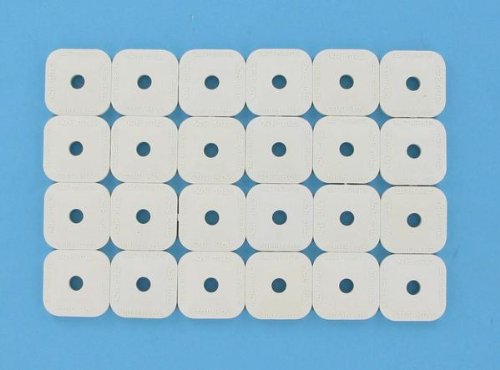
1. Stud Boy Super Lite Plus Backers White 96/PK — Best Value Backer Pack
When you're studding a full track for the first time and need bulk quantity without breaking the bank, the Stud Boy Super Lite Plus Backers White 96/PK is the pack to reach for. These single polymer backers are engineered to distribute the stress load across your track's lug, preventing the stud from punching through under hard acceleration. The polymer construction keeps weight to a minimum — a real consideration when you're running 96 units per pack and every gram adds up across a full track.
The white color isn't just aesthetic. On a black rubber track, white backers let you visually audit your stud pattern quickly, confirming alignment without pulling the track off the sled. Stud Boy has been in this game long enough to know that installation mistakes are costly, and the bright color is a practical engineering choice. These backers are compatible with a wide range of Stud Boy stud diameters, making them a go-to companion for mixed-stud setups where you're pulling hardware from multiple kits.
The polymer material holds up well under repeated compression cycles but you should know these are single backers — suitable for studs up to 1.280 inches in length. If you're running taller studs, you'll need the double configuration. For riders building out their first studded track on a trail or cross-country sled, this 96-pack gives you enough coverage for a thorough pattern without overordering.
Pros:
- 96-piece bulk pack delivers excellent per-unit value
- Lightweight polymer construction adds minimal track weight
- White color aids visual alignment during and after installation
- Broad compatibility with standard Stud Boy stud diameters
Cons:
- Single-plate design limits compatibility to shorter studs (1.280" or less)
- Polymer may show wear faster than steel alternatives under extreme abuse
2. Stud Boy Power Plate Plus Backers 96/PK — Best for High-Stress Applications
If you're running a high-horsepower sled — 150+ HP territory — or if you plan to do any serious drag racing on ice, you need backers that can absorb extraordinary pull forces without failure. The Stud Boy Power Plate Plus Backers are built specifically for that scenario. These single-configuration plates are engineered with a reinforced footprint that spreads stud load across a larger surface area of the lug, dramatically reducing the chance of a stud punching through during aggressive throttle inputs.
The Power Plate design sits in Stud Boy's performance tier — above the standard Super Lite in terms of structural rigidity while maintaining practical weight numbers. The 96-piece pack makes it viable to do a complete track stud job in one order, and the plate geometry is machined to sit flush with standard lug profiles across most modern tracks. You'll feel the difference most during hard acceleration runs: the stud base stays planted, and the carbide tip bites cleanly without rocking in its seat.
These are single plates, so size your studs accordingly. The power plate format is not designed for decorative or light trail riding — it's overkill there, and the weight isn't justified. But for aggressive pond-hopping, lake racing, or sled pulls in 2026, this is the backer you want behind your studs. Installation follows the same process as other Stud Boy backers, and the 96-count means you won't come up short on a full-track pattern.
Pros:
- Reinforced footprint handles high-horsepower pull forces reliably
- 96-piece pack sufficient for complete track stud patterns
- Flush lug profile fit across most modern snowmobile tracks
- Reduces stud pull-through under aggressive acceleration
Cons:
- Single-plate only — not for studs above 1.280" without upgraded hardware
- Heavier than polymer alternatives; adds measurable unsprung weight
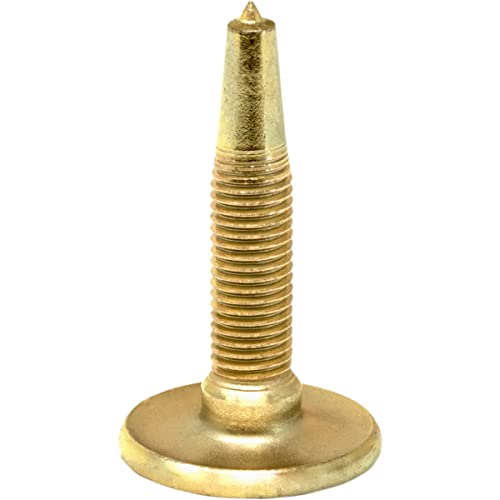
3. Woody's Gold Digger Carbide Traction Master Stud .75" 24/Pk — Best Carbide Stud for Trail Ice
Woody's has earned a reputation among serious snowmobilers that most brands can only dream about. The Gold Digger Carbide Traction Master Stud at .75 inches is the workhorse of their lineup — a purpose-built carbide stud for riders who are primarily hammering trails with occasional icy sections. The Gold Digger name isn't marketing fluff: these tips are designed to dig into hard-packed surfaces and hold a line without washing out in the corners.
The carbide tip geometry on this stud is more aggressive than standard entry-level options. Woody's machines these to tight tolerances, and the result is a stud that bites predictably and consistently from the first season. The .75-inch length slots this into the category of trail-optimized studs — long enough to bite hard ice but short enough not to destabilize the track on groomed surfaces. At 24 per pack, this is a targeted purchase for supplementing an existing stud pattern or completing a partial track job.
Woody's studs have always had strong retention characteristics, and the Gold Digger continues that tradition. The thread profile grips the rubber lug without requiring excessive torque, which means you can install these without risking lug damage. If you want a proven name in snowmobile traction and you're riding predominantly trail conditions in 2026, the Gold Digger at .75 inches is a benchmark product. Pair it with quality backers and proper spacing, and it will perform for multiple seasons.
Pros:
- Aggressive carbide geometry delivers excellent bite on hard trail ice
- Tight machining tolerances ensure consistent, predictable performance
- Strong thread retention without excessive torque during installation
- Trusted Woody's brand with multi-season durability track record
Cons:
- 24-pack only — you'll need multiple packs for a full track pattern
- Optimized for trail/hard ice; less suited for deep snow or soft conditions
4. INS Products Icemaster Carbide Snowmobile Track Studs 1" — Best Self-Tapping Carbide Stud
The INS Products Icemaster studs attack one of the biggest friction points in stud installation: drilling. These are self-tapping carbide studs — the sharp 70-degree tip threads directly into the lug without requiring a drill press or pre-drilled pilot holes. For the rider who is installing studs solo in a cold garage, eliminating the drilling step is a genuine time and frustration saver. The 100-stud kit with installation tool included makes this one of the most complete out-of-box packages in the category.
The 70-degree carbide tip geometry is purpose-designed for positive traction and control. Where some self-tappers sacrifice tip sharpness for ease of installation, the Icemaster maintains an aggressive bite angle that performs on hardpack lake ice and frozen trail surfaces. The mounting position matters here: Icemaster studs are installed on the top of the lugs, in the thick rubber section, which gives the tip a better bite geometry compared to side-mounted alternatives. This placement also improves lateral traction — critical for carving corners on ice.
At 1 inch in length, these studs fall into the mid-range category that suits most trail and lake riding applications. The self-tapping thread design is engineered not to pull out under load — a common failure mode with cheaper studs — and the carbide tip is hard enough to last through multiple riding seasons without significant wear. If you're new to studding a track and want a kit that removes the learning curve while still delivering professional results, the Icemaster 100-pack is a top choice in 2026. Also consider pairing your sled upgrades with our guide to the best snowmobile dollies for easier garage handling during installation.
Pros:
- Self-tapping design eliminates drilling — major installation time savings
- 100-stud kit with installation tool is excellent value for a full track job
- Top-lug placement improves lateral traction and bite geometry
- 70-degree carbide tip maintains aggressive performance angle
- Engineered thread profile resists pull-out under hard acceleration
Cons:
- Self-tapping into dense rubber requires consistent installation technique to avoid stripping
- Less established brand name compared to Stud Boy or Woody's
5. Stud Boy SPT Carbide Studs 1.375" 24/Pack — Best for Aggressive Lake Riders
If pure traction on open lake ice is your priority, the Stud Boy SPT Carbide Studs at 1.375 inches are the ones to install. This is Stud Boy's performance-tier stud — longer than the typical trail stud, designed for maximum ice penetration and grip on the hard surfaces where serious sled pilots run their fastest passes. The extra length gets more carbide into the ice, and when you're riding at speed on a glassy lake surface, that extra engagement is the difference between confident acceleration and sideways chaos.
The SPT designation signals Stud Boy's competition-oriented lineup. These carbide tips are precision-ground to maintain sharpness through a full season of aggressive use. At 1.375 inches, these require tall backers — the Stud Boy Super-Lite Pro Double Backers (reviewed below) are the natural companion. Pairing the right backer height to your stud length is non-negotiable: too short a backer and you're asking the lug to absorb forces it wasn't designed to handle, which leads to premature failure.
The 24-pack format means you'll need several packs for a complete track, but that also means you can strategically place these in the highest-load positions — center track studs where traction demand is greatest — while using shorter studs elsewhere. Stud Boy's thread geometry on the SPT line has proven retention across multiple seasons of hard riding. For dedicated ice riders upgrading their traction setup in 2026, the SPT 1.375 is a top-shelf carbide option that delivers measurable performance gains over stock or budget alternatives.
Pros:
- 1.375-inch length maximizes ice penetration for lake and hard-pack riding
- Precision-ground carbide tip maintains performance sharpness over full seasons
- Stud Boy's competition-grade thread geometry resists pull-out under max load
- Strategic deployment in high-load positions optimizes traction patterning
Cons:
- Requires tall double backers — add backer cost to the total investment
- 24-pack means multiple orders for a full-track stud job
- Overkill for casual trail riding; best reserved for ice-focused applications
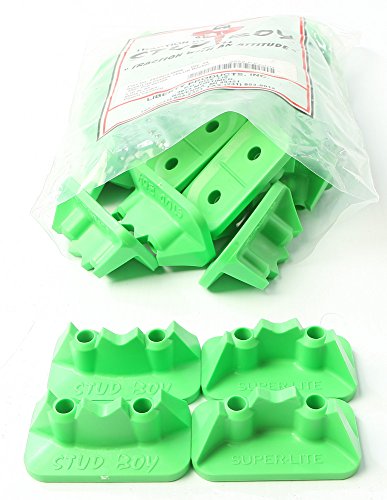
6. Stud Boy Super-Lite Pro Series Double Backers .75" 24/Pk Green — Best Double-Backer System
The Stud Boy Super-Lite Pro Series Double Backers represent the premium tier of backer technology for riders running 1.375-inch and taller studs. The double-backer configuration is not just about support — it's about load distribution across two surfaces simultaneously, which dramatically extends lug life and stud retention in high-stress setups. The .75-inch height targets the 1.375-inch and taller stud length window, making these the correct companion backer for the SPT Carbide Studs reviewed above.
Stud Boy's Pro Series designation means these backers use an aggressive anti-rotation design — the plate geometry locks against the lug profile to prevent the backer from spinning during installation or under track flex. This is a detail that matters: spinning backers cause uneven torque distribution and can compromise stud alignment over time. The green color is a visual identifier for the tall (.75-inch) height variant, distinguishing it from the short (.50-inch) configuration — useful when you're managing mixed-height setups across a track.
At 24 per pack, this is a targeted purchase for performance builds rather than a one-and-done bulk buy. The Super-Lite Pro Series backers are available in black as well, but the green variant makes installation verification easy at a glance. For riders who have already committed to a performance stud like the SPT line, these backers complete the system correctly. Skimping on backer quality when running tall, aggressive carbide studs is a false economy — the lug damage from backer failure costs far more than the upgrade.
Pros:
- Double-backer design provides superior load distribution for tall studs
- Anti-rotation plate geometry prevents backer spin during installation and use
- Green color coding simplifies tall vs. short backer identification
- Engineered specifically for 1.375-inch and taller stud applications
- Available in both black and green for visual preference flexibility
Cons:
- 24-pack only — premium pricing per unit compared to bulk polymer options
- Overkill for short studs or casual trail setups
How to Pick the Best Snowmobile Studs
Stud Length: Match the Application, Not the Marketing
Stud length is the single most important specification you need to nail before purchasing. Shorter studs (.75 inch) suit trail riding — they bite hard ice and groomed surfaces without destabilizing the track during high-speed straight runs. Longer studs (1 to 1.375 inches) are engineered for open lake ice where maximum penetration is the goal. Running long studs on groomed trails creates excess noise, accelerated wear, and handling instability. Running short studs on lake ice leaves traction on the table. Know your primary terrain and buy accordingly.
Available lengths typically range from .75 inch to 1.5 inches. Many experienced riders use a mixed-length pattern — longer studs in the center rows where acceleration load is highest, shorter studs on the outer rows for directional stability. This isn't beginner territory, but it's worth knowing when you're planning a full stud job.
Carbide Tips vs. Steel Tips: No Contest for Ice
For any application involving hardpack or ice, carbide is non-negotiable. Steel tips dull quickly on abrasive surfaces, losing bite within a single season. Carbide-tipped studs maintain their edge geometry across multiple seasons and deliver consistent traction that steel simply can't match on ice. The price premium for carbide pays for itself in durability and performance within the first year of riding.
The tip geometry matters too. A 70-degree angle — like the Icemaster studs — provides positive bite and control while the self-tapping thread design eliminates the need for pre-drilling. Flatter tip angles create a wider footprint that works better in variable conditions. Sharper angles penetrate ice more aggressively but wear faster on abrasive concrete or asphalt crossings. Avoid those crossings whenever possible — even the best carbide won't survive repeated asphalt contact.
Backers: The Part Most Beginners Skip
Installing studs without proper backers is one of the most common and costly mistakes in snowmobile preparation. Without a backer plate, the stud's head pulls directly against the inside of the rubber lug under acceleration. At high horsepower levels, this punches the stud through the lug — destroying both the stud and the track section. Backers distribute the load across the lug's inner surface, preventing this failure mode entirely.
- Single backers: Correct for studs up to 1.280 inches in length
- Double backers: Required for studs 1.375 inches and taller
- Short (.50") height: For 1.280-inch or shorter studs
- Tall (.75") height: For 1.375-inch and taller studs
- Material: Polymer backers save weight; steel/rigid backers handle higher stress loads
Match your backer height to your stud length precisely. Using a short backer with a tall stud creates a gap that concentrates stress in the wrong place. Anti-rotation features — like those found on Stud Boy's Pro Series — prevent the backer from spinning during installation, which ensures proper torque distribution and stud alignment.
Stud Count and Pattern Density
The number of studs you need depends on your track length, your sled's power, and your traction goals. A typical trail sled running 120–150 HP and primary trail riding handles well with 96–144 studs in a balanced pattern. High-horsepower machines running lake ice may run 192–288 studs or more in dense, evenly spaced patterns. More studs means more traction but also more weight, more vibration, and more wear on studded surfaces.
Stud pattern spacing follows established conventions — double-row, triple-row, and staggered configurations each have different traction and handling profiles. For most riders, starting with a manufacturer-recommended pattern for their track pitch and length is the right move. You can always add density later based on real-world feel. Buying a 96-pack bulk option like the Stud Boy Super Lite Plus Backers is the smart move for a first-time full install.
What People Ask
Do I need backers with snowmobile studs?
Yes — backers are not optional for safe stud installation. Without a backer plate inside the track lug, the stud pulls through the rubber under acceleration load, destroying the lug and losing the stud. Backers distribute stress across the inner surface of the lug, preventing pull-through. Match your backer height (short .50" or tall .75") to your stud length (1.280" or shorter vs. 1.375" and taller) for correct fit and load distribution.
How many studs does a snowmobile track need?
The right number depends on track length, horsepower, and riding conditions. A standard trail sled with 120–150 HP typically runs 96–144 studs. High-performance lake sleds may run 192–288 or more. More studs increases traction but adds weight and wear. Start with a manufacturer-recommended pattern density for your specific track pitch and size, then add density based on real-world performance feedback.
What is the difference between carbide and steel snowmobile studs?
Carbide studs maintain their edge geometry across multiple seasons of use on hardpack and ice. Steel studs dull quickly on abrasive surfaces, losing traction performance within a single season. For any ice or hardpack riding, carbide is the correct choice. The price premium pays for itself in durability alone. Steel studs are only worth considering in very soft snow conditions where tip sharpness is less critical — which is not where most riders run studs in the first place.
Can I install snowmobile studs myself?
Yes. Stud installation is a DIY-friendly job if you have the right tools and follow the process correctly. Standard threaded studs require a drill, the correct bit for your stud diameter, and a torque wrench to hit the manufacturer's spec without overtightening. Self-tapping studs like the INS Icemaster eliminate the drilling step entirely, making solo installation significantly faster. Always install backers inside the track before threading the stud from the outside.
What stud length is best for trail riding?
For groomed trail riding, .75-inch studs are the standard choice. This length provides solid bite on icy trail sections and hardpack without destabilizing the track at trail speeds. Longer studs (1 inch and above) are optimized for open lake ice and high-speed applications where maximum penetration is the goal. Running overly long studs on groomed trails creates handling issues and accelerates wear on both the studs and any hard surfaces you cross.
How long do snowmobile studs last?
Carbide-tipped studs from quality brands like Stud Boy and Woody's regularly last two to four seasons of regular riding before tip wear becomes noticeable. Longevity depends heavily on how often you cross abrasive surfaces — asphalt, concrete, and gravel crossings are the primary enemy of carbide tips. Avoid hard surface crossings whenever possible. Inspect studs at the start of each season for tip rounding and replace any that have lost their point geometry, as worn studs provide significantly reduced traction on ice.
Buy on Walmart
- Stud Boy Super Lite Plus Backers White 96/PK Single 2462-P3- — Walmart Link
- Stud boy 2439-p3 power plate plus backers single 96/pk — Walmart Link
- Woodys 18-3151-24 Gold Digger Carbide Traction Master Stud . — Walmart Link
- INS Products carbide Icemaster Snowmobile Track Studs - 1" S — Walmart Link
- Stud Boy SPT Carbide Studs 1.375" 24/Pack — Walmart Link
- Stud Boy 18-33940G Super-Lite Pro Series Double Backers .75" — Walmart Link
Buy on eBay
- Stud Boy Super Lite Plus Backers White 96/PK Single 2462-P3- — eBay Link
- Stud boy 2439-p3 power plate plus backers single 96/pk — eBay Link
- Woodys 18-3151-24 Gold Digger Carbide Traction Master Stud . — eBay Link
- INS Products carbide Icemaster Snowmobile Track Studs - 1" S — eBay Link
- Stud Boy SPT Carbide Studs 1.375" 24/Pack — eBay Link
- Stud Boy 18-33940G Super-Lite Pro Series Double Backers .75" — eBay Link
Final Thoughts
The right snowmobile studs transform your sled's on-ice performance in a way that no other single upgrade can match — but only when you pair the correct stud length with the correct backer for your riding style and terrain. Pick your studs based on where you actually ride in 2026, not where you wish you rode, match your backers to your stud height, and install with precision. Your traction, your confidence, and your sled's longevity will all show the difference immediately.
 |
 |
 |
 |

About Frank V. Persall
Frank Persall is a lifelong skier originally from the United Kingdom who has spent years pursuing the sport across premier resorts in Europe, North America, and beyond. His passion for skiing has taken him from the Alps to the Rocky Mountains, giving him a broad perspective on resort terrain, snow conditions, gear performance across price points, and the practical realities of ski travel with a family. At SnowGaper, he covers ski resort guides, gear reviews, and skiing technique and travel resources for enthusiasts of every level.
You can get FREE Gifts. Or latest free skiing books here.
Disable Ad block to reveal all the info. Once done, hit a button below
|
|
|
|