The average walk-up lift ticket at a major U.S. ski resort now costs well over $200 for a single day — and at some destination mountains, that number pushes past $300. If you love skiing but wince every time you see that price at the window, you're in good company. Knowing how to find cheap lift tickets is one of the most practical skills you can build as a skier, and the good news is that real savings are available at nearly every resort if you know where and when to look. You don't need insider connections — just a plan and a little lead time.

The ski industry has changed dramatically over the past two decades. Resort consolidation, massive infrastructure investments, and surging demand have all pushed prices upward. But that same competitive environment has also produced more discount channels, loyalty programs, and multi-resort passes than ever before. If you want a full picture of what a ski trip actually costs beyond the ticket, our breakdown of how much it costs to go skiing covers everything from rentals to lodging so you can plan your full budget.
Whether you're heading to the slopes for the first time or you've been chasing powder for years, the strategies in this guide apply across resort types and price ranges. Let's work through all of them.
Contents
- Why Lift Ticket Prices Got So High
- How to Find Cheap Lift Tickets: Your Step-by-Step Approach
- Busting Common Myths About Discount Lift Tickets
- Season Passes vs. Single-Day Tickets: The Real Trade-Offs
- What Beginners and Regular Skiers Should Each Focus On
- Insider Tips That Can Cut Your Costs Even Further
- A Quick Comparison of the Top Ways to Buy
Why Lift Ticket Prices Got So High
A Brief History of Resort Pricing
Lift tickets weren't always a luxury item. For most of skiing's history, a day on the mountain was genuinely affordable for a middle-class family. That began shifting in the 1990s and accelerated through the 2000s as private equity firms acquired major resort brands and repositioned them as premium lifestyle destinations. Today's prices reflect deliberate market positioning — resorts have found that demand holds strong even at higher price points, so there's little financial pressure to bring costs down.
According to Wikipedia's overview of ski lift infrastructure, the capital costs alone — gondolas, high-speed quads, snowmaking systems, grooming equipment, and ongoing maintenance — are enormous. Resorts pass much of that cost to ticket buyers. That's a real piece of the pricing story. But understanding it helps you see why the discounting system exists: resorts still need to fill capacity, especially on slower weekdays and shoulder-season dates.
Dynamic Pricing and What It Means for You
Most major resorts now use dynamic pricing, the same system airlines and hotels have used for years. Ticket costs shift based on demand, the day of the week, how many days are left before your visit, and how many tickets have already sold for that date. Buying early almost always means paying less — sometimes dramatically less. A ticket that costs $210 purchased six weeks in advance might run $320 if you wait until the night before. That gap is real money, and closing it requires nothing more than planning ahead.
How to Find Cheap Lift Tickets: Your Step-by-Step Approach
Buy Early and Always Go Online
The single most reliable move you can make is to buy your tickets in advance through the resort's website or a third-party platform. Walk-up window prices are almost always the highest available — resorts bank on impulse purchases from people who didn't plan ahead. Most mountains discount tickets meaningfully when you purchase seven to thirty days out, and some offer their deepest deals at sixty or ninety days. Once you know your trip dates, buy your tickets the same day you book your lodging.
Use Dedicated Discount Platforms
Sites like Liftopia, Ski.com, and the official Ikon and Epic Pass portals aggregate deals from dozens of resorts and let you compare prices side by side. You can often find savings of 20% to 40% off the window rate through these channels. Some platforms also surface last-minute deals when resorts have unsold inventory a few days before a given date — useful if your schedule is flexible and you're not picky about exactly which mountain you visit.
Check Resort Loyalty and Partner Programs
Many resorts have arrangements with AAA, military branches, credit card rewards programs, and employer benefit platforms. These deals often go unused simply because skiers don't think to check. Spend fifteen minutes before your next trip searching "[resort name] discount" along with any memberships or affiliations you hold — a union card, a library card, a Costco membership. The savings from partner programs can rival anything you'd find on a discount site, and they're often stacked on top of early-purchase pricing.
Pro tip: Many public library systems partner with local ski resorts to offer free or heavily discounted lift tickets to cardholders — it's one of the most overlooked deals in skiing.
Busting Common Myths About Discount Lift Tickets
Myth: Cheap Tickets Mean Worse Conditions
This is probably the most persistent misconception in the discount ski world. A discounted ticket gives you the exact same mountain access as a full-price one. The lifts run the same. The terrain is the same. The grooming is the same. Resorts don't save the good runs for full-price guests — they don't even know what you paid when you scan your pass at the gate. Discounts are purely a revenue management tool, not a quality signal.
Myth: Season Passes Are Always the Better Deal
Season passes from Ikon, Epic, and individual resorts can represent tremendous value — but only if you ski enough days to justify the upfront cost. If you're planning two or three trips a season at different resort families, carefully purchased individual tickets might actually cost you less in total. Run the math for your situation specifically. Don't assume a pass is smarter just because it feels like a better deal in principle.
Myth: Smaller Resorts Aren't Worth Your Time
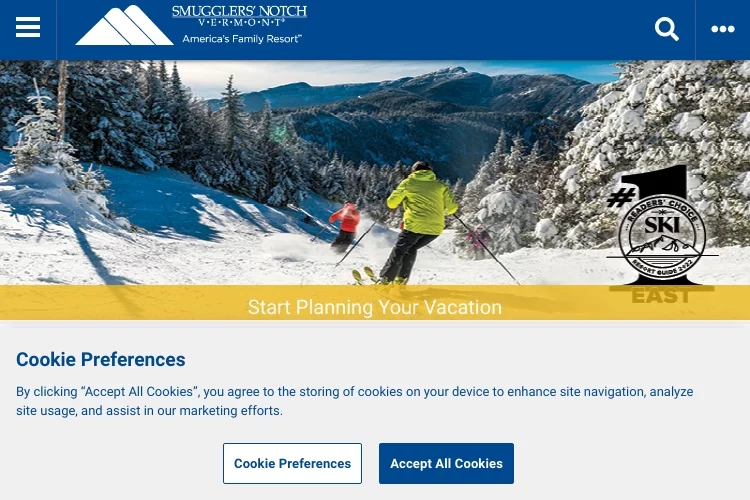
Smaller, independent mountains often charge significantly less than major destination resorts, and they've built loyal followings for good reason. For a casual ski day or for family ski packages on a tighter budget, a regional hill can offer a terrific experience. You might not get 3,000 acres of terrain, but beginners and intermediate skiers rarely need that much mountain anyway. Places like Smuggler's Notch in Vermont have become beloved precisely because they deliver a quality experience without the premium price tag.
Season Passes vs. Single-Day Tickets: The Real Trade-Offs
When a Season Pass Makes Financial Sense
If you ski five or more days per season at resorts within the same pass network, a season pass almost always wins on per-day cost. The major networks cover dozens of mountains across North America and internationally, often for what would cost you three or four walk-up tickets at a single large resort. Passes also remove the mental overhead of analyzing every trip — once you've paid for the season, every ski day feels like a bonus rather than an expenditure.
When Individual Tickets Are the Smarter Move
If your ski plans are uncertain — maybe you go once or twice a season, or you ski at different resort families each year — buying tickets individually gives you flexibility that a pass doesn't. You only pay when you actually go. Some pass networks now offer refund protection as an add-on, but that adds cost and complexity. For occasional skiers, individual tickets purchased strategically in advance remain the most straightforward path to savings.
| Purchase Method | Best For | Typical Savings vs. Window Price | Flexibility |
|---|---|---|---|
| Walk-up window ticket | Last-minute, unplanned trips | None | High |
| Resort website, 2–4 weeks out | Planners with set dates | 15–30% | Moderate |
| Third-party discount platform | Deal hunters, comparison shoppers | 20–40% | Moderate |
| Partner / loyalty discount | AAA, military, employer members | 10–25% | High |
| Groupon or flash deal | Flexible travelers, regional resorts | 30–50% | Varies |
| Season pass (Ikon / Epic) | Frequent skiers, 5+ days per season | 50–70%+ | Low (upfront) |
What Beginners and Regular Skiers Should Each Focus On
If You're Just Getting Started
As a new skier, your priority should be keeping costs low while you figure out whether the sport is something you'll stick with long-term. Look for resorts that bundle a beginner lesson, equipment rental, and a limited-access lift ticket into a single package price — these bundles are often dramatically cheaper than buying each component separately. You don't need access to the full mountain when you're learning, so a restricted beginner ticket is a smart, economical starting point. Focus your budget on a solid lesson rather than a premium ticket.
If You Ski Regularly
Regular skiers benefit most from buying a season pass during the off-season, when prices are at their lowest — often many months before the first snowfall. Both major pass networks offer steeper early-bird discounts than anything you'll find once the season is underway. Buying your pass in spring for the following winter is often the single biggest money-saving move a frequent skier can make. The discipline required is simply committing to your plans a little earlier than feels natural.
Insider Tips That Can Cut Your Costs Even Further
Flash Deal Sites and Coupon Platforms
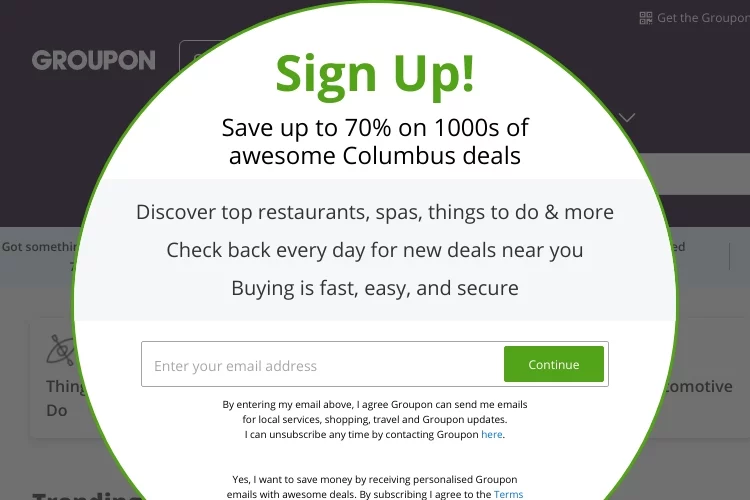
Groupon and similar flash-deal platforms occasionally feature lift ticket offers, especially at smaller regional resorts. Discounts of 30% to 50% below standard pricing are not unusual. The catch is that availability is limited and date windows may be narrow, so you need some flexibility in your schedule to take advantage. Bookmark these platforms and check them periodically in the weeks before your trip — deals appear and disappear quickly.
Ski Midweek or During Off-Peak Windows
Weekend and holiday pricing is almost always higher, sometimes by 20% to 40% compared to the same resort on a Tuesday or Wednesday. If your work schedule allows for midweek trips, the savings can be significant — and as a bonus, the lifts are shorter and the runs less crowded. Early-season and late-season windows can also yield lower prices, though you'll want to check snow reports before committing since conditions vary more at the shoulder of the season.
Package Deals and Discount Ski Trips
Sometimes the most effective savings come from thinking about your trip as a whole rather than shopping for a ticket in isolation. Ski-and-stay packages, travel agency group deals, and organized trip packages can include tickets, lodging, and sometimes lessons at a combined rate that undercuts buying each piece separately. Our guide on discount ski vacations goes deeper on how to evaluate and book these bundles so you get genuine savings rather than a repackaged deal at the same total cost.
A Quick Comparison of the Top Ways to Buy
Resort Websites Direct
Buying directly from the resort's own website is always your first stop. Many resorts price their own advance tickets competitively and provide the most flexibility if you need to change your date or request a cancellation. Some also have loyalty programs that reward repeat visitors with bonus days, credits, or discounts on future purchases — perks you won't receive through a third-party platform.
Multi-Resort Pass Networks
The two dominant networks — Ikon Pass and Epic Pass — together cover most major resorts in North America and a growing number internationally. Both offer tiered options at different price points, so you can calibrate how much you spend versus how much access you get. For any skier visiting more than a handful of resorts in a season, these passes are genuinely hard to beat on a per-day cost basis.
Third-Party Aggregator Sites
Platforms that specialize in ski ticket discounts pull inventory from multiple resorts and often surface deals that the resort's own site doesn't promote prominently. They're particularly useful for comparing several mountains in the same region on a single screen, or for finding last-minute availability when you've decided to ski on short notice. Used alongside direct resort pricing, aggregators give you a more complete picture of what's actually available — and at what price.
The best time to buy a lift ticket is always before you need it — a little planning is the cheapest gear you'll ever pack for the mountain.
 |
 |
 |
 |

About Frank V. Persall
Frank Persall is a lifelong skier originally from the United Kingdom who has spent years pursuing the sport across premier resorts in Europe, North America, and beyond. His passion for skiing has taken him from the Alps to the Rocky Mountains, giving him a broad perspective on resort terrain, snow conditions, gear performance across price points, and the practical realities of ski travel with a family. At SnowGaper, he covers ski resort guides, gear reviews, and skiing technique and travel resources for enthusiasts of every level.
You can get FREE Gifts. Or latest free skiing books here.
Disable Ad block to reveal all the info. Once done, hit a button below
|
|
|
|