A ski bowl is a wide, concave depression — typically carved by ancient glaciers — where ski bowl terrain fans out across multiple fall lines instead of funneling you down a single defined corridor. If you've been browsing ski resorts and kept seeing the word "bowl" on trail maps without a clear explanation, here's the direct answer: a bowl gives you more open space, more route options, and a fundamentally different skiing experience than any standard groomed run.

Unlike a groomed trail where the mountain decides your line for you, a bowl puts that decision entirely in your hands. You can arc wide turns across the open face, thread between natural features, or find a steeper pitch tucked into one corner of the amphitheater. That open-ended skiing feels exhilarating once you understand what you're looking at, and it's why experienced skiers often prioritize bowl access when choosing a destination.
According to Wikipedia's entry on cirques, these glacially scooped hollows are defined by steep headwalls and curved basin floors — geological formations that took thousands of years to develop and now serve as some of the most dramatic terrain in skiing. Whether you're an intermediate skier curious about stepping up or an expert refining your bowl technique, knowing the terrain before you drop in makes all the difference.
Contents
Understanding Ski Bowl Terrain
What Defines a Bowl's Shape
A ski bowl gets its distinctive shape from glacial erosion, where a glacier scoops a concave hollow into a mountainside over millennia. The result is a wide depression with a steep headwall at the top, curved sides that funnel toward the center, and a broader runout at the bottom. Ski bowl terrain is naturally amphitheater-shaped, which means snow from surrounding ridges collects in the basin, often producing deeper and more varied snow conditions than a flat groomed trail ever could.
The headwall — the steep upper wall of the bowl — is frequently the most technical section, often rated black diamond or double black diamond. Below it, the terrain typically widens into a more approachable intermediate or advanced pitch where you have room to find your rhythm. Reading the bowl's vertical profile before you enter it helps you identify where your skill level fits and where you should position your first turn.
How to Read a Bowl on a Trail Map
On a resort trail map, a bowl usually appears as a large unshaded or lightly colored expanse with few named trails crossing it, because the design intent is open, self-directed skiing rather than a fixed corridor. Look for tightly packed elevation contours near the top — that density signals where the headwall begins and where the pitch gets serious. If you're still building your mountain reading skills, checking a beginner ski technique guide before tackling bowl terrain gives you a framework for assessing slope angle and entry options before you commit to anything steep.
How Resorts Groom and Care for Bowl Terrain
Natural Snow vs. Snowmaking in Bowls
Most resort bowls run almost entirely on natural snowfall rather than manufactured snow, and that's a deliberate operational choice rooted in geography. Installing snowmaking infrastructure in exposed high-altitude terrain is expensive, and the wide-open expanse of a bowl makes artificial coverage inefficient — wind disperses machine-made snow before it can accumulate into a workable base. A healthy natural snowpack is what keeps bowl terrain open and safe, which is why resorts typically delay opening their bowls until base depths reach 24 to 36 inches, depending on how much exposed rock the slope has.
Why Bowl Conditions Change Faster Than Groomed Runs
Because bowls are exposed and catch direct sunlight across their full face, the snow surface transforms rapidly throughout a single day. A firm, fast morning surface in a south-facing bowl can turn to heavy, wet crud by early afternoon once the sun climbs high enough. Wind also loads snow unevenly across the terrain, creating pockets of deep powder right next to wind-scoured patches of hard crust. Checking the resort's daily snow report and noting which direction the bowl faces — its aspect — before you head up is a practical habit that experienced bowl skiers treat as non-negotiable.
Iconic Ski Bowls Worth Experiencing
Classic North American Bowls
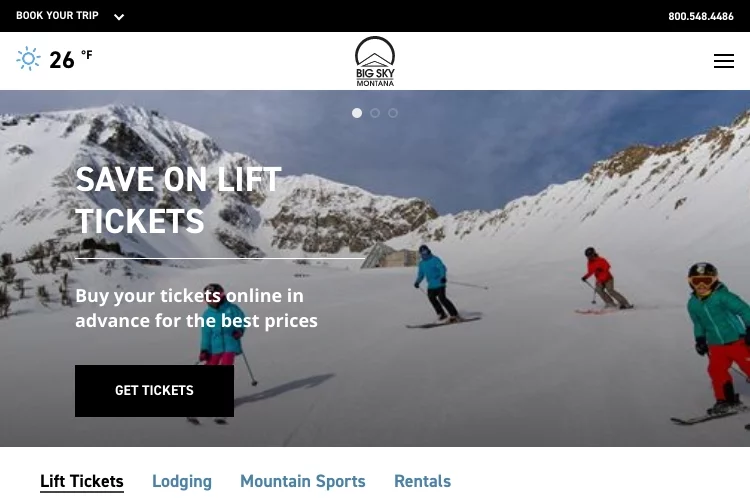
North America hosts some of the world's most celebrated bowl terrain, and several resorts have built their entire identity around it. Each destination below offers a distinct flavor of bowl skiing shaped by altitude, climate, and mountain character — all worth adding to your list if you're serious about experiencing the full range of ski bowl terrain the continent has to offer.





What Sets Each Bowl Apart
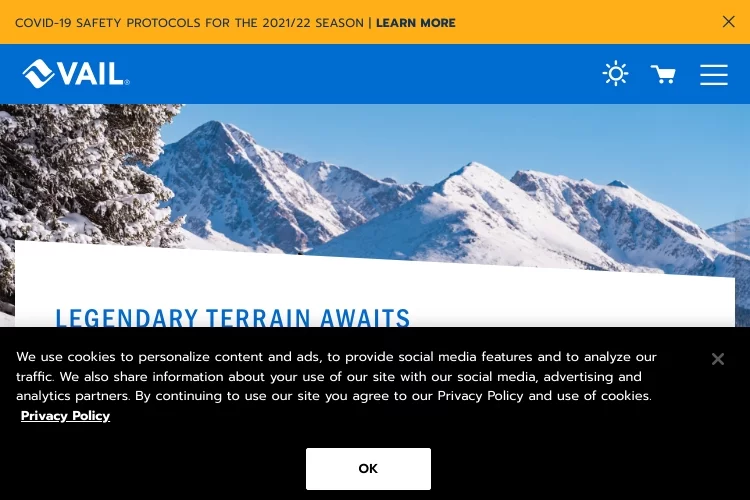
Vail's Back Bowls stretch nearly 3,000 acres and serve as arguably the best introduction to bowl skiing in the Rockies, with terrain ranging from groomed intermediate pitches to genuinely challenging ungroomed faces. Whistler Blackcomb's Symphony Bowl sits above treeline and is accessible via one of the longest lift systems in North America, delivering the kind of expansive above-treeline skiing that feels closest to a glacier skiing experience without a remote expedition. Arapahoe Basin's Montezuma Bowl sits at extreme altitude, producing consistently cold, dry powder even when lower-elevation resorts deal with spring slush.
Tuckerman Ravine in New Hampshire occupies a unique category entirely — it's a hike-in, lift-free bowl that draws serious skiers each spring for its legendary steep headwall and backcountry character. Snowbird's Mineral Basin and Alta's High Rustler bowls in Utah give you access to legendary Wasatch powder in terrain that rewards edge control and confident speed. Telluride's Gold Hill terrain and Copper Mountain's Spaulding Bowl round out a list of destinations that prove bowl skiing is as much about mountain character as raw vertical drop.

Bowl Terrain vs. Traditional Runs — A Side-by-Side Look
Difficulty and Skill Requirements
The gap between skiing a groomed run and skiing a bowl is significant in terms of what the mountain actually demands from you. On a groomed trail, the resort manages surface condition, trail width, and gradient to create a predictable experience that matches the posted difficulty rating. In a bowl, you manage all of that yourself — choosing your line, reading variable snow, and adjusting your approach as conditions shift across just a few hundred feet. Skiers and snowboarders both find that bowl terrain rewards active edge control and proactive weight distribution above every other skill.
| Feature | Ski Bowl Terrain | Traditional Groomed Run |
|---|---|---|
| Snow surface | Natural — powder, crud, or crust | Machine-groomed and consistent |
| Route choice | Open — skier picks any line | Fixed — defined trail corridor |
| Difficulty within zone | Varies across the same bowl | Single rating for the entire run |
| Snowmaking support | Rare — relies on natural snowpack | Common — widely supported |
| Best conditions window | Morning after a storm | Cold groomed morning surface |
| Recommended skill level | Solid intermediate to expert | Beginner to advanced |
| Navigation demand | High — read terrain independently | Low — follow marked trail |
Equipment Considerations
Skiing bowl terrain efficiently calls for different equipment choices than a groomed-run day demands. A wider ski with more surface area helps you float on softer snow rather than sinking into it with every turn — all-mountain skis in the 90–105mm underfoot range perform significantly better in ungroomed bowl conditions than a narrow carving ski tuned for hardpack. Your boots need enough flex to support dynamic, athletic movements without being so soft that you lose edge purchase on the icy patches near the headwall. If you're drawn to accessing natural bowls beyond lift boundaries, understanding ski touring equipment is worth your time, since some of the finest bowl terrain requires a short skin-up approach to reach.
How to Ski Bowl Terrain Like a Pro
Reading the Snow Before You Drop In
Before committing to a bowl entry, pause at the top and scan the surface below you. Earlier skier tracks show you where the snow is soft and where it's been churned into a harder, irregular surface — both pieces of information shape your line selection meaningfully. Identify any smooth, pillow-like areas that look untouched, since those can be either excellent untracked powder or wind-loaded dense slab depending on recent weather. Starting from a sheltered entry on the bowl's edge rather than dropping straight down the headwall gives you time to feel the snow and calibrate your approach before moving onto steeper terrain.
Always check wind direction before entering a bowl — wind-loaded slopes hide firm, heavy snow beneath a deceptively soft-looking surface, and that surprise can throw even a confident skier off balance mid-turn.
Common Mistakes and How to Avoid Them
The most consistent mistake skiers make in bowl terrain is leaning back on their skis — a defensive reflex triggered by steepness that actually reduces control rather than improving it. Keeping your weight centered or slightly forward keeps your edges engaged and gives you active steering through variable snow conditions. Another frequent error is charging a straight fall-line descent when the snow conditions don't support that approach — in heavy or wind-affected snow, wide traversing turns deliver far more control than a direct line through the middle. If you're still developing your mountain skills, reading a comprehensive beginner skiing guide before attempting steep bowl terrain will sharpen your technical foundation considerably.
For skiers drawn to even more remote and extreme bowl environments, heli-skiing is the logical next progression — it opens up pristine, untouched bowls that no chairlift or grooming cat could ever access, and delivers the kind of untracked powder experience that defines why bowl skiing earns its reputation.
Frequently Asked Questions
What is ski bowl terrain?
Ski bowl terrain is an open, amphitheater-shaped area on a mountain — formed by glacial erosion — where skiers choose their own line across a wide, ungroomed expanse rather than following a single defined trail corridor.
Is a ski bowl suitable for beginners?
Most ski bowls are rated intermediate to expert because of variable snow and exposed terrain, but many resorts include gentler bowl sections that confident intermediate skiers on groomed blues can access safely.
Why do ski resorts leave bowls ungroomed?
Bowl terrain is typically left ungroomed because its wide, high-altitude exposure makes grooming inefficient, and most skiers seek out bowl terrain specifically for the natural powder and variable snow character that groomed runs can't replicate.
What skis work best in a ski bowl?
An all-mountain or powder ski in the 90–105mm underfoot range gives you the float and stability needed for bowl skiing, where snow ranges from deep powder to dense wind crust within the same descent.
How does a ski bowl form geologically?
A ski bowl forms through a glacial erosion process called cirque formation, where a glacier scoops a concave hollow into a mountainside over thousands of years, producing the characteristic steep headwall and curved basin that define bowl terrain.
Which ski resorts are best known for their bowl terrain?
Vail's Back Bowls, Snowbird's Mineral Basin, Alta's High Rustler, Arapahoe Basin's Montezuma Bowl, Whistler Blackcomb's Symphony Bowl, and Telluride's Gold Hill terrain are among the most celebrated bowl skiing destinations in North America.
How quickly do bowl conditions change during the day?
Bowl conditions can shift dramatically within a few hours — a firm morning surface on a sun-exposed bowl face often softens into heavy, wet snow by early afternoon, and wind loading can alter snow quality across different sections of the same bowl simultaneously.
Key Takeaways
- Ski bowl terrain is a glacially formed, amphitheater-shaped mountain zone where you choose your own line across open, ungroomed snow rather than following a set trail.
- Bowl conditions change faster than groomed runs because exposure to wind and sun transforms the snow surface dramatically throughout a single day — always check aspect and snow reports before you drop in.
- A wider all-mountain ski in the 90–105mm underfoot range and a centered, forward stance are your two most important tools for skiing bowls with confidence and control.
- North America's best bowl destinations — from Vail's Back Bowls to Whistler's Symphony Bowl — reward skiers who invest time in reading terrain and understanding snow conditions before committing to a line.
 |
 |
 |
 |

About Frank V. Persall
Frank Persall is a lifelong skier originally from the United Kingdom who has spent years pursuing the sport across premier resorts in Europe, North America, and beyond. His passion for skiing has taken him from the Alps to the Rocky Mountains, giving him a broad perspective on resort terrain, snow conditions, gear performance across price points, and the practical realities of ski travel with a family. At SnowGaper, he covers ski resort guides, gear reviews, and skiing technique and travel resources for enthusiasts of every level.
You can get FREE Gifts. Or latest free skiing books here.
Disable Ad block to reveal all the info. Once done, hit a button below
|
|
|
|