Ski Gear ›
Zermatt Utah Ski Resort: Complete Guide to Rooms, Amenities & Nearby Skiing
by Frank V. Persall
The first time you drive through Midway, Utah, and spot the copper-roofed turrets of Zermatt Resort emerging from the snow-covered pines, you understand exactly what the designers intended. This property does not merely suggest alpine Europe — it commits to the illusion entirely. This Zermatt ski resort Utah guide delivers the practical information you need to decide whether Zermatt belongs in your ski itinerary: accommodations, on-site amenities, proximity to the Wasatch Range ski areas, gear requirements, and the honest trade-offs that glossy brochures omit. For a strong foundation in ski equipment before your trip, the ski gear reviews section of this site covers everything from boots to goggles.
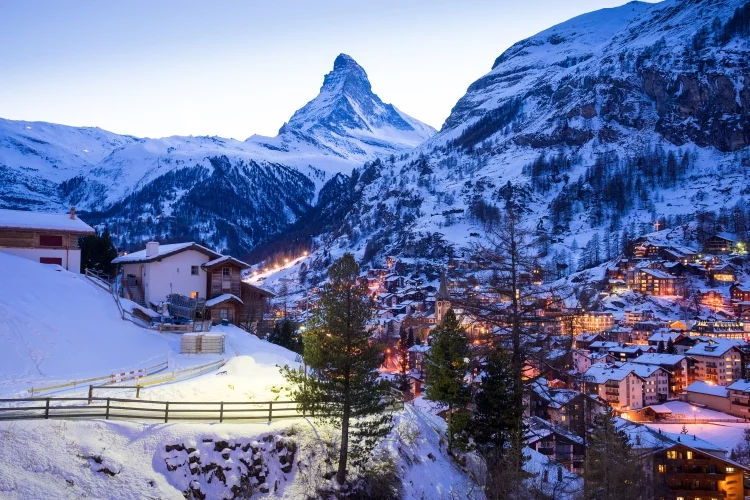
Zermatt Resort sits in Midway, Utah, a small valley town in the Heber Valley approximately 45 minutes southeast of Salt Lake City. The property functions simultaneously as a premium accommodation base and a self-contained amenity package — indoor waterpark pools, a full-service spa, multiple dining venues, and event facilities are all on-site. The Wasatch Range, which encircles the Heber Valley, places you within 30 to 45 minutes of Deer Valley, Park City Mountain, Sundance, and several other world-class ski areas.
One fact shapes every planning decision you will make when using this property as a ski base: Zermatt Resort does not operate its own ski mountain. It is a luxury lodging property with resort-scale amenities, not a lift-access ski resort. Understanding this upfront prevents the most commonly reported first-visit disappointment. Once you accept that reality, Zermatt's value proposition becomes straightforward and, in many cases, compelling.
Contents
- The Zermatt Ski Resort Utah Guide: Location, History, and Context
- What Zermatt Resort Offers — and Where It Falls Short
- Ski Gear and Preparation for a Zermatt-Based Trip
- Common Misconceptions About Zermatt Utah Cleared Up
- Planning Mistakes to Avoid When Visiting Zermatt
- Frequently Asked Questions
- Next Steps
The Zermatt Ski Resort Utah Guide: Location, History, and Context
Geographic Setting and Mountain Access
Midway, Utah sits in the Heber Valley at approximately 5,600 feet elevation, nestled between the Wasatch and Uinta mountain ranges. The town was settled in the nineteenth century by Swiss and Scandinavian immigrants — a fact that explains both its character and the cultural aesthetic Zermatt Resort has leaned into deliberately. The Heber Valley sits at the convergence of several ski corridors, making it a geographically intelligent base for accessing multiple resorts within a single trip itinerary.
The table below shows the primary ski areas accessible from Zermatt Resort, with approximate drive times under normal winter road conditions:
| Ski Area | Drive Time | Vertical Drop | Skiable Acres | Terrain Level |
|---|---|---|---|---|
| Sundance Mountain Resort | ~25 min | 2,150 ft | 450 | Beginner–Intermediate |
| Park City Mountain | ~30 min | 3,226 ft | 7,300 | All levels |
| Deer Valley Resort | ~35 min | 3,000 ft | 2,026 | Intermediate–Advanced |
| Snowbasin Resort | ~75 min | 2,959 ft | 3,000 | Intermediate–Expert |
This positioning gives Zermatt-based guests a meaningful range of ski experiences within a single trip — from the uncrowded groomed runs at Sundance to the vast interconnected terrain of Park City Mountain. If you are unfamiliar with how terrain variety should inform resort selection, reviewing what the different types of skiing involve will help you match each mountain to your current skill level and goals.
The Resort's European Design Philosophy
Zermatt Resort opened in 2003, developed specifically to replicate a Swiss mountain village environment in Utah's Heber Valley. The property spans multiple buildings connected by heated walkways, with architecture featuring stone facades, copper roofing, and turret detailing throughout. The design commitment runs deeper than surface aesthetics — the resort invests in the full hospitality infrastructure required to sustain the experience: European-influenced culinary programming, imported stone and woodwork, and seasonal events modeled on alpine cultural traditions.
This intentional differentiation separates Zermatt from comparably priced Utah ski lodging. You are not paying for proximity to lifts. You are paying for an integrated resort experience that treats the property itself as a destination, not merely a place to sleep between ski days.
What Zermatt Resort Offers — and Where It Falls Short
On-Site Amenities Worth Booking For
Zermatt Resort's amenity package justifies its pricing for guests who intend to use it fully. The property includes:
- An indoor waterpark complex with pools, hot tubs, and water slides — open year-round and a genuine differentiator from standard ski lodging
- A full-service spa offering massage, body treatments, and hydrotherapy facilities
- Multiple dining venues spanning casual Alpine Bistro fare through formal dinner service
- A fitness center with cardio and strength equipment suitable for pre- and post-ski conditioning
- Ski shuttle service to nearby resorts — confirm availability and schedule for your specific dates at booking
- Event and conference facilities capable of accommodating groups from 10 to 500

The dining quality at Zermatt consistently outperforms what you encounter at most ski-corridor hotels in the same price range. The on-site kitchen sources regional ingredients and maintains standards that reflect the resort's European positioning. If your travel priorities include post-ski meals worth sitting down for — rather than base-lodge cafeteria fare — this property delivers without compromise.
Limitations You Should Acknowledge Upfront
No resort excels across every dimension, and Zermatt carries genuine trade-offs that merit direct acknowledgment:
- No slope-side access — you drive to every ski area, eliminating ski-in/ski-out spontaneity entirely
- Room pricing runs elevated relative to comparable non-themed lodging in the Salt Lake City corridor
- Shuttle schedules, when operational, are fixed — flexibility requires a rental vehicle
- The waterpark draws families heavily during peak weekends, affecting the atmosphere in shared spaces
- Midway Canyon road conditions in deep winter can extend drive times beyond posted estimates
If slope-side ski-in/ski-out access is your primary criterion, Zermatt is the wrong choice. Compare it instead to properties like those covered in the guide to Wolf Ridge Ski Resort, where on-mountain access is the central feature rather than a secondary consideration.
Ski Gear and Preparation for a Zermatt-Based Trip
Equipment Essentials for Wasatch Terrain
The Wasatch Range receives an average of 500 inches of snowfall annually, with a characteristically low moisture content — Utah's "Greatest Snow on Earth" marketing reflects measurable meteorological reality, not marketing excess. This snow profile rewards specific equipment choices that differ from what you would select for wet Pacific Coast powder or the hard-packed ice common on East Coast mountains.
- Skis with a waist width of 90–105mm perform well in Utah's light powder without sacrificing edge engagement on groomed terrain
- Helmet and high-visibility goggles are non-negotiable — UV exposure and altitude-related fatigue compound quickly at Wasatch elevations
- Insulating mid-layers matter more than shell weight in Utah's dry cold, where moisture management is less critical than thermal retention
- Poles with slightly larger baskets provide better float and stability on deep powder days — standard race baskets sink and compromise your planted-pole timing
For a comprehensive breakdown of what to bring on the mountain, the SnowGaper guide on what to wear to a ski resort is the most practical pre-trip packing resource on this site.
Dressing for Utah Mountain Conditions
Utah's dry, high-altitude cold creates specific gear demands that differ from wetter mountain environments. Your primary challenge is wind chill at elevation rather than soaked outerwear from heavy wet snow. A three-layer system — moisture-wicking base, insulating mid-layer, and windproof shell — handles the full range of Wasatch conditions from bluebird cold snapping at minus-ten to storm days with blowing spindrift.
Do not underestimate sun exposure. At 10,000 feet, UV intensity is significantly higher than at sea level. Apply SPF 50 or higher to all exposed skin before every run and use goggles with UV400 lenses at all times on the mountain. Sunburn at altitude arrives faster and burns deeper than most first-time Wasatch visitors anticipate.
Common Misconceptions About Zermatt Utah Cleared Up
Misconception: Zermatt Has Its Own Ski Mountain
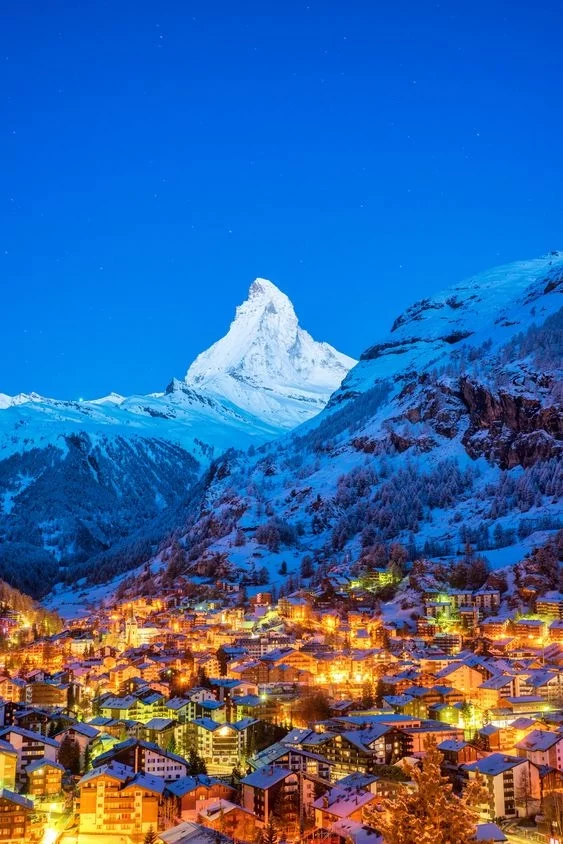
This is the single most persistent misunderstanding about this property. The name "Zermatt" carries powerful associations with the Swiss ski resort of the same name — one of the most iconic lift-accessed destinations in the world, with runs descending from the Matterhorn. Visitors who research the Utah property insufficiently sometimes arrive expecting gondola access from the hotel grounds. There is none. Zermatt Resort Utah is a hospitality property, not a ski resort. The mountains visible from the property are scenic backdrop, not operational terrain.
This distinction does not diminish the property's value — it simply defines it accurately. You are booking a high-amenity lodging base from which you access nearby mountains by vehicle. Adjust your expectations accordingly and the experience will meet or exceed them on its own terms. The most important clarification in any honest Zermatt ski resort Utah guide concerns exactly this relationship between the property and the surrounding terrain.
Misconception: Midway Is Too Remote for Daily Ski Access
The Heber Valley's geography actually positions Midway well for multi-resort access. The 30–45 minute drive to Park City or Deer Valley is comparable to the commute from many Park City lodging properties during peak-season traffic on US-40. Midway's advantage is lower congestion. You are not competing with the concentrated visitor volume funneling through Park City's main corridor, and the roads out of Midway to Sundance and south Deer Valley access points are generally less congested than the Canyons base area approach on weekend mornings.
What Midway lacks is spontaneity. You cannot decide at 2:00 p.m. to ski one additional hour without planning a return window into your schedule. Build realistic daily logistics into your itinerary and the distance becomes a non-issue.
Planning Mistakes to Avoid When Visiting Zermatt
Booking and Timing Errors
Zermatt operates as both a ski lodge and an active event venue. Peak ski weekends frequently overlap with wedding or conference bookings, which compresses availability at the spa, pool areas, and dining reservations. Review the resort's event calendar before committing to your dates. A mid-week arrival in January or February gives you quieter facilities and, in most cases, better room rates than Saturday arrivals.
- Book spa treatments at least two weeks in advance for any weekend stay — appointments fill quickly and walk-in availability is unreliable during peak periods
- Confirm shuttle service availability for your specific travel dates before treating it as a given in your logistics plan
- Request rooms in the newer building sections if quiet matters to you — proximity to the waterpark affects ambient noise levels in adjacent corridors
On-Site Logistics and Transportation
If you are renting a vehicle — which is the correct approach for any guest prioritizing daily skiing — arrive with snow tires or all-season tires rated for mountain driving. Midway Canyon road conditions deteriorate rapidly during active storm cycles, and the resort cannot guarantee shuttle access when canyon roads close. Self-sufficiency on transportation is the right posture for a ski-focused stay at Zermatt.
Target the ski area trailhead parking lots rather than base-lodge drop zones during weekend visits. Trailhead lots at Deer Valley and Park City Mountain fill by 8:30 a.m. on Saturdays — plan your departure from the resort accordingly. Early arrivals reward you with better parking position, shorter morning lift queues, and access to untracked terrain before the late-morning crowd reaches the mountain.
Frequently Asked Questions
Does Zermatt Resort Utah have ski-in/ski-out access?
No. Zermatt Resort Utah is a luxury lodging property located in Midway, not adjacent to a ski mountain. You will need to drive — or use available shuttle services — to reach any ski area. The nearest ski area, Sundance Mountain Resort, is approximately 25 minutes away under normal road conditions.
What ski areas are closest to Zermatt Resort?
Sundance Mountain Resort is the closest at approximately 25 minutes. Park City Mountain and Deer Valley Resort are both within 30 to 35 minutes under normal winter road conditions. Snowbasin and Solitude are accessible but require longer drives of 60 to 75 minutes and are best suited for dedicated day trips rather than daily rotations.
Is Zermatt Resort appropriate for families with young children?
Yes. The on-site indoor waterpark, multiple dining venues, and structured amenity programming make Zermatt well-suited for family travel. The pool complex is a particular asset for families who want active non-ski programming available on rest days or during afternoon breaks from the mountain.
What is the best time of year to visit Zermatt Resort for a ski trip?
January and February provide the best combination of snow quality at nearby ski areas and manageable crowds at the resort. Mid-week stays during these months deliver the quietest experience across both the mountain and the property's shared amenities, with room rates typically lower than weekend pricing.
Does Zermatt Resort offer ski rentals or ski equipment storage?
Ski storage is typically available on-site — confirm current arrangements with the property at booking. Ski rentals are not an on-site service; you will need to rent equipment through base lodge rental shops at Park City, Deer Valley, or through a Heber City outfitter. Ask the concierge about any current equipment partnership programs that may offer discounted rental rates.
Next Steps
- Visit the Zermatt Resort website directly and compare all room categories — suites, villas, and standard rooms differ significantly in layout, square footage, and access to on-site amenities; select based on your group size and how much time you plan to spend at the property versus on the mountain.
- Identify your target ski areas from the access table in this guide, confirm which lift tickets or pass products apply to your dates, and purchase in advance to avoid base-lodge queues and peak-period price surges.
- Review the ski resort outfit checklist on this site and cross-reference your existing gear inventory against the Wasatch-specific requirements outlined in the gear section above before you pack.
- Book spa appointments and dining reservations at Zermatt at the same time you confirm your room — peak-season slots fill weeks ahead of arrival and cannot be reliably secured upon check-in.
- Finalize your transportation plan before departure: determine whether a rental vehicle, the resort shuttle, or a rideshare service best fits your ski schedule, and confirm shuttle availability dates directly with the property to avoid logistics surprises on arrival morning.
 |
 |
 |
 |

About Frank V. Persall
Frank Persall is a lifelong skier originally from the United Kingdom who has spent years pursuing the sport across premier resorts in Europe, North America, and beyond. His passion for skiing has taken him from the Alps to the Rocky Mountains, giving him a broad perspective on resort terrain, snow conditions, gear performance across price points, and the practical realities of ski travel with a family. At SnowGaper, he covers ski resort guides, gear reviews, and skiing technique and travel resources for enthusiasts of every level.
You can get FREE Gifts. Or latest free skiing books here.
Disable Ad block to reveal all the info. Once done, hit a button below
|
|
|
|