This Wolf Ridge Ski Resort guide gives you the straight answer first: Wolf Ridge is the most capable ski mountain in western North Carolina, with a 1,200-foot vertical drop, 22 trails, and snowmaking coverage that keeps terrain skiable all season long. If you've been browsing ski resorts in the Southeast and dismissed the region as flat or limited, Wolf Ridge will change that assumption fast. Located in Mars Hill, NC, it delivers genuine Blue Ridge mountain skiing — not a hill with a lift bolted to it.
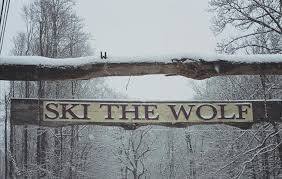
Wolf Ridge sits between 4,250 and 5,450 feet elevation. The resort offers night skiing most evenings, a full rental shop, group and private ski school lessons, a tubing park, and on-mountain lodging — making it a full weekend destination rather than a single-day drive. That combination is rare in the Southeast and worth planning around.
Whether you're making your first visit or your tenth, this guide sharpens your approach. You'll learn when to go, what to pack, how Wolf Ridge compares to regional alternatives, and how to build each visit into measurable ski improvement.
Contents
- Planning Your Wolf Ridge Season
- Solving Common Problems at Wolf Ridge
- Best (and Worst) Times to Visit Wolf Ridge
- What to Pack: Gear Essentials for Wolf Ridge
- Wolf Ridge vs. Other Southeast Ski Resorts
- Keeping Your Gear Performance-Ready
- Pro Tips for Making Every Run Count — Wolf Ridge Ski Resort Guide
Planning Your Wolf Ridge Season
Treating Wolf Ridge as a one-off trip is fine. Treating it as a home mountain you return to with a plan is what actually moves your skiing forward. Repeat visits, deliberately structured, compound fast.
Season Passes vs. Day Tickets
Wolf Ridge offers season passes and single-day tickets. The right choice depends on where you live and how committed you are:
- Buy a season pass if you're within a two-hour drive and realistically plan four or more visits. The per-day cost drops dramatically compared to window prices.
- Buy day tickets in advance online if you're visiting once. Walk-up window prices are always higher — booking ahead saves a noticeable amount per person.
- Midweek tickets cost less than weekend tickets. If your schedule allows it, Monday through Friday skiing at Wolf Ridge is a straightforward discount.
- Night skiing is often sold separately or as an add-on. If you're staying on-mountain, combining day and night sessions extracts maximum value from the trip.
- Check for military, first responder, and student discounts — Wolf Ridge, like most independent Southeast resorts, typically offers these.
Building Your Skills Over Multiple Visits
Wolf Ridge's 22-trail layout gives you a clear progression path. Structure your visits around specific goals rather than just "skiing around."
- Visits 1–2: Stay on green runs. Build confidence stopping and turning before anything else. Boredom at this stage means you're ready to move up.
- Visits 3–4: Move to blue intermediate trails. Focus on carving rather than skidding through turns. Speed management on steeper pitches is the skill to develop here.
- Visits 5+: Hit the black diamond runs. Pay attention to how the snow changes across trail aspects and times of day.
If you want to extend your mountain time beyond the resort, this beginner's guide to ski touring explains how to transition from lift-accessed skiing to backcountry travel once your resort fundamentals are solid.
Solving Common Problems at Wolf Ridge
Every mountain has predictable friction points. At Wolf Ridge, the problems most skiers encounter are almost always solvable before they happen.
Dealing with Icy Conditions
Southeast ski resorts depend heavily on machine-made snow. That snow hardens into ice — especially on groomed trails after a cold night. This is the defining challenge of skiing Wolf Ridge, and it's manageable once you know what you're working with.
- Get on the mountain early. Freshly groomed snow softens as the day warms up. The best skiing window is typically 9 a.m. to noon before the surface degrades.
- Arrive with sharp edges. Dull edges on icy snow don't grip — they slip. Tuning your skis before the trip is non-negotiable here, not optional.
- Widen your turns and reduce your speed on icy patches instead of fighting the surface directly. Fighting ice is how people fall.
- In the afternoon, shift to wooded or north-facing trails — they hold softer snow longer because they get less direct sun.
Pro tip: When conditions go icy mid-afternoon at Wolf Ridge, don't force it — switch to the tubing park or take a warm-up break inside and save your energy for the next morning's fresh grooming.
Handling Crowds on Peak Days
Holiday weekends pack Wolf Ridge hard. Christmas week and Martin Luther King Jr. weekend are the two highest-traffic periods. Your counter-moves:
- Arrive at opening time. Being first in lift line means 60–90 minutes of uncrowded runs before the crowds build.
- Take a long lunch at 11 a.m. — before the midday surge — and return when others are eating.
- Target higher-elevation lifts. The main base area lifts draw longer lines than lifts serving the upper mountain.
- If your schedule is flexible at all, weekday skiing at Wolf Ridge is a fundamentally different experience. Shorter lines, quieter trails, same terrain.
Best (and Worst) Times to Visit Wolf Ridge
Timing your Wolf Ridge visit correctly is the single biggest factor in snow quality. The Southeast's variable climate rewards skiers who pay attention to forecasts and avoid blind booking.
Peak Season Windows
Wolf Ridge typically opens in December and runs through mid-March, weather permitting. The highest-quality windows:
- January through early February — the coldest stretch of the season. Snowmaking runs at full capacity, trails are well-covered, and conditions are at their most consistent.
- After natural snowfall events — western North Carolina receives real natural snow, particularly from nor'easters and upper-level disturbances. Check the National Weather Service forecast for the Mars Hill area a week in advance and plan around approaching fronts.
- Weekday mornings in any part of the season — lightest crowds, freshest grooming, and full trail access before the weekend traffic impacts conditions.
When to Avoid the Mountain
Some conditions make Wolf Ridge a waste of a drive. Know them in advance:
- Warm snaps above 40°F — snowmaking shuts down and existing snow deteriorates within hours. Check three-day temperature forecasts before you commit to travel plans.
- Holiday Saturdays — maximum crowd pressure with lift lines that consume a meaningful chunk of your skiing time.
- Rain events at lower elevations often translate to freezing rain or sleet at mountain elevations — dangerous conditions that make skiing unpleasant and unsafe.
- Late-season periods when trail count is reduced — patchy coverage limits your options and the effort-to-reward ratio drops significantly.
What to Pack: Gear Essentials for Wolf Ridge
Summit temperatures at Wolf Ridge regularly drop into the teens. Underdressing is the most common mistake Southeast first-timers make — they assume "the South" means mild cold. The mountain elevation changes everything. Come prepared.
Clothing and Layers
Your layering system does the work at Wolf Ridge. Start with moisture-wicking base layers, add insulation, and top it with a waterproof shell. For a thorough breakdown of every garment you need on a ski day, this essential ski resort outfit checklist covers base layers to boot socks in detail.
Items you should never skip for Wolf Ridge specifically:
- Insulated waterproof ski pants rated for wind and sustained moisture — not just "snow pants"
- Neck gaiter or balaclava for summit wind exposure on upper mountain runs
- Waterproof insulated gloves with a backup pair in your pack — wet gloves in sub-20°F wind chill make the mountain miserable
- Ski goggles with interchangeable lenses — Wolf Ridge's north-facing terrain creates flat light conditions frequently, and a single-lens goggle handles this poorly
- Hand and toe warmers as cheap insurance on the coldest days
Warning: Don't skip waterproof gloves because you assume the Southeast won't be that cold — summit wind chills at Wolf Ridge routinely drop below 0°F, and wet, frozen hands can end your ski day entirely.
Equipment Checklist
Wolf Ridge runs a full rental shop with solid entry-level equipment. Here's how to think about renting versus owning:
- Rent skis if you're new — don't buy skis before you know your ability level and preferred terrain. Renting lets you try different lengths and stiffnesses.
- Own your boots as early as possible — ski boots are the most personal piece of equipment. Rental boots cause blisters, pressure points, and performance loss. Properly fitted personal boots are a transformation.
- Own your helmet — fit matters for safety and helmets are more hygienic when they're yours. This is a non-negotiable personal item.
- Poles are low-priority to own early — rental poles work fine through your first several seasons.
- If you own skis, bring your own edge sharpener or confirm your ski shop serviced them within the last few weeks before travel.
Wolf Ridge vs. Other Southeast Ski Resorts
The Southeast has more ski terrain than most people realize. Here's how Wolf Ridge stacks up against the main North Carolina alternatives so you can make an informed decision about where to put your ski days. Wolf Ridge's full history and development background is covered in its Wikipedia entry if you want the deeper context.
Reading the Numbers
| Resort | State | Trails | Vertical Drop | Night Skiing | On-Mountain Lodging | Tubing |
|---|---|---|---|---|---|---|
| Wolf Ridge | NC | 22 | 1,200 ft | Yes | Yes | Yes |
| Sugar Mountain | NC | 20 | 1,200 ft | Yes | Limited | Yes |
| Beech Mountain | NC | 17 | 830 ft | Limited | No | No |
| Cataloochee | NC | 16 | 740 ft | No | No | No |
| Appalachian Ski Mtn | NC | 12 | 365 ft | Yes | No | Yes |
Wolf Ridge leads the region in trail count and ties for vertical drop with Sugar Mountain. Its genuine differentiator is on-mountain lodging — staying steps from the lifts when you're skiing two or three consecutive days is a convenience no other NC resort matches at the same terrain level. If you want to benchmark against a very different style of mountain, our Best Ski Resorts in Lake Tahoe roundup shows what destination-level Western terrain looks like by comparison — useful context for planning larger ski trips.
Keeping Your Gear Performance-Ready
Your gear degrades every time you ski. Maintenance is not optional at a snowmaking-dependent resort like Wolf Ridge — Southeast machine snow has higher water content than natural powder, which accelerates rust on steel edges and degrades base material faster than most skiers expect.
Post-Trip Ski Tuning
Run through this checklist after every Wolf Ridge trip before you put your gear away:
- Dry your skis completely before storage. Lay them base-up in a warm space and let any moisture evaporate fully — this prevents edge rust from forming overnight.
- Inspect your edges for burrs or flat spots by running a fingernail along the length. Any catching sensation means the edge needs a file pass before your next session.
- Apply a thin coat of hot wax to your bases after drying. This seals the base material and protects it between sessions — even a quick rub-on wax is better than nothing.
- Check your binding release settings and make sure screws are snug after any hard skiing day.
If you're new to this process, this complete ski tuning guide walks through every step — edge sharpening, base repair, and waxing — in plain language without assuming prior knowledge.
Storing Gear Between Seasons
End-of-season storage done right means your gear shows up ready when Wolf Ridge opens. Cut corners here and you spend the first trip of the season skiing on degraded equipment.
- Have your skis professionally tuned and hot-waxed before off-season storage. Leave the wax on through the entire off-season and scrape it off before your first run next season — it protects the base during storage.
- Store skis horizontally in a cool, dry space. Garages with wide temperature swings stress the ski's core material over time and can delaminate edges.
- Fully loosen your boot buckles for storage. Keeping them buckled compresses the liner permanently, degrading its insulation and custom fit.
- Wash and re-treat your ski jacket and pants with a DWR (durable water repellent) product before storing. Salt, sweat, and sunscreen break down waterproofing if left untreated through the off-season.
Pro Tips for Making Every Run Count — Wolf Ridge Ski Resort Guide
A complete Wolf Ridge Ski Resort guide covers more than logistics — it covers the on-mountain decisions that separate a frustrating day from a great one. These insights come from repeated visits and knowing how this specific mountain behaves.
On-Mountain Strategies
- Start at the summit. Take the high-speed lift first thing in the morning while conditions are at their firmest and trail traffic is lowest. Work progressively down the mountain as the day advances.
- Ski with someone slightly more advanced than you. It pushes you past your comfort zone faster than self-directed practice. You'll learn more in two hours with a better skier than in two days solo.
- Take a break before you think you need one. Fatigue is when most ski injuries happen. Twenty minutes inside after two hours of hard skiing extends your afternoon significantly.
- Use the tubing park strategically — it's a legitimate active rest for your ski muscles while keeping you in mountain mode rather than sitting in the lodge.
- Check Wolf Ridge's website or social media the evening before your visit for updated trail counts and snowmaking status. Trail closures can significantly change your route planning.
Using the Ski School Effectively
Wolf Ridge's ski school offers group and private lessons. Getting value from either format requires more than just showing up:
- Choose private lessons for technical problems. One-on-one instruction fixes specific issues — edge control, mogul technique, steeps confidence — in two hours that self-teaching won't fix in two full seasons. Group lessons can't give you that focus.
- Group lessons work well for true beginners who need fundamentals. Set realistic expectations: the instructor is managing multiple students and can't work individually with each one.
- Book your lesson for the start of your season, not the middle. You build correct muscle memory from day one instead of spending the first part of the season reinforcing bad habits.
- Be specific when booking. Tell the instructor exactly what's failing — "I lose my edges on steeps and end up skidding every turn" gives them a concrete target. Vague requests produce vague results.
Next Steps
- Check Wolf Ridge's current trail status and snowmaking report before booking travel — conditions in the Southeast shift fast, and a quick check protects you from driving four hours to icy, limited terrain.
- Decide on your ticket type now — run the math on a season pass versus day tickets based on how many visits you realistically plan. If you're within two hours and ski more than three days a season, the pass almost always wins.
- Audit your gear against the checklist in this guide — particularly gloves, base layers, and goggle lenses. Replace anything worn before you arrive, not after a cold morning on the mountain taught you the lesson.
- Book your ski school lesson in advance if you're targeting your first or second visit — weekend and holiday spots fill weeks out, and showing up hoping to grab a same-day lesson usually doesn't work.
- Plan your arrival for opening hour on any weekend or holiday visit — the first 90 minutes of skiing at Wolf Ridge before crowds build are categorically better than anything you'll find mid-morning, and that window is free if you simply wake up earlier.
 |
 |
 |
 |

About Frank V. Persall
Frank Persall is a lifelong skier originally from the United Kingdom who has spent years pursuing the sport across premier resorts in Europe, North America, and beyond. His passion for skiing has taken him from the Alps to the Rocky Mountains, giving him a broad perspective on resort terrain, snow conditions, gear performance across price points, and the practical realities of ski travel with a family. At SnowGaper, he covers ski resort guides, gear reviews, and skiing technique and travel resources for enthusiasts of every level.
You can get FREE Gifts. Or latest free skiing books here.
Disable Ad block to reveal all the info. Once done, hit a button below
|
|
|
|