Ski Gear ›
Best Ski and Snowboard Impact Shorts: Reviews, Buying Guide, and FAQs 2026
by Frank V. Persall
Over 600,000 ski and snowboard injuries occur every year in the United States alone, according to the National Ski Areas Association — and a large share of those are direct hip, tailbone, and knee impacts that the right pair of impact shorts can dramatically reduce. Whether you're a weekend warrior carving groomed runs or a park rat throwing tricks on the halfpipe, the physics of falling on packed snow or ice is unforgiving. Hard falls happen fast, and unprotected tailbones and hips are the first things to absorb that energy.
Impact shorts have evolved well beyond the chunky foam diapers of the early 2000s. Today's best options use advanced materials like D3O reactive foam, G-Form compression tech, and multi-density EVA padding that stay flexible until impact, then harden to disperse force. They're thin enough to wear under your ski pants without bulk, and they wick moisture so you stay comfortable through a full day on the mountain. The 2026 lineup is stronger than ever, and this guide covers everything you need to make the right call.
This review covers seven of the top-performing impact shorts available in 2026 — from premium armored options for serious skiers to budget-friendly EVA picks for beginners. We've broken down the features, fit, protection coverage, and value so you can find the pair that matches your riding style. For a broader overview of your protective gear setup, check out our guide to the best knee braces for skiing — because impact shorts and knee protection work best together. You can also browse the full ski gear reviews section for more expert picks across every category.

Contents
- Top Rated Picks of 2026
- Detailed Product Reviews
- POC Synovia VPD Shorts — Best for Crossover MTB/Ski Use
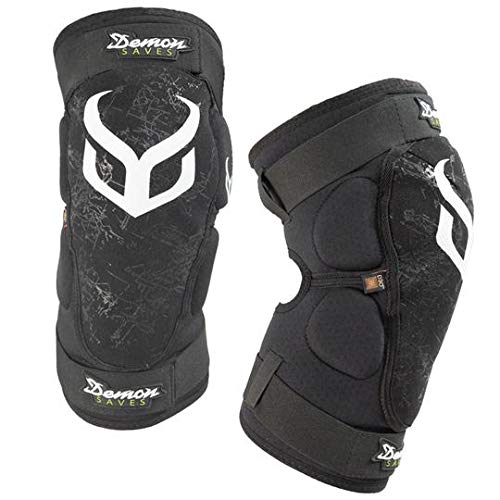
- Demon Hyper X D30 V3 Knee Pad — Best Dedicated Knee Protection
- Dainese Hard Short E1 Men's — Best Premium Build Quality
- Burton Men's Impact Shorts — Best All-Mountain Men's Pick
- TOM SHOO Hip Protection Shorts — Best Budget Option
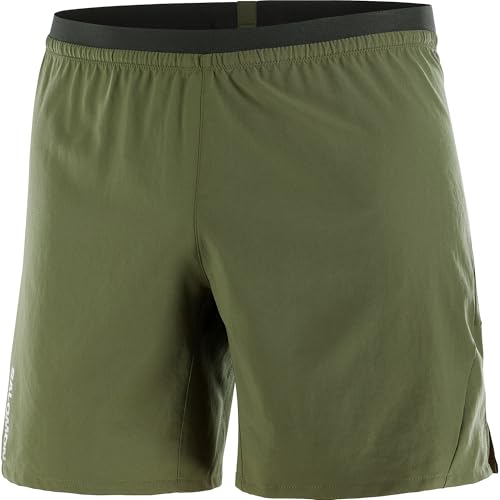
- Salomon Men's Cross 7" Shorts — Best Lightweight Active Layer
- Burton Women's Impact Shorts — Best for Women
- Key Features to Consider When Choosing
- What People Ask
- Final Thoughts
Top Rated Picks of 2026
- #PreviewProductRating
- Bestseller No. 1
 Rating:

- Bestseller No. 2
 Rating:
 - Bestseller No. 3
 Rating:
 - Bestseller No. 4
 Rating:
 - Bestseller No. 5
 Rating:
 - Bestseller No. 6
 Rating:
 - Bestseller No. 7
 Rating:
Detailed Product Reviews
1. POC Synovia VPD Shorts MTB Armor — Best for Crossover MTB/Ski Use
POC has built a reputation for no-compromise protection in both cycling and snow sports, and the Synovia VPD Shorts deliver on that reputation. The VPD (Visco-Elastic Polymer Dough) padding is the standout feature here — it's soft and pliable in normal conditions but stiffens instantly on impact to distribute force across a wider surface area. Coverage hits the outer thighs and tailbone, which are your two highest-risk contact points in ski and snowboard falls. The padding stays in place during hard movement, which matters more than most people expect — nobody wants armor that migrates during a run.
The fabric itself is highly ventilated mesh that pulls moisture away from your skin and dries quickly. This makes the Synovia an ideal base layer under any ski pant, keeping you dry whether you're hiking a backcountry ridge or lapping park features all afternoon. The integrated chamois pad adds saddle comfort for cyclists using these year-round, though for ski-only use, that's a bonus rather than a necessity. Sizing runs close to true, but go up a size if you want a more relaxed fit over a thermal base layer.
The construction quality is exactly what you'd expect from POC — tight stitching, reinforced panel junctions, and no signs of the padding shifting after repeated use and washing. These are shorts built to last multiple seasons, which justifies the price point for anyone riding regularly.
Pros:
- VPD padding is soft at rest but hardens instantly on impact for serious protection
- Excellent ventilation — stays dry and cool under ski pants all day
- Tailbone and outer thigh coverage handles the most common fall zones
- Chamois pad adds versatility for cyclists doubling up between seasons
- Durable POC build quality holds up across many seasons
Cons:
- Premium price point is a real investment for casual weekend riders
- Chamois pad is unnecessary for dedicated skiers and adds slight bulk
2. Demon Hyper X D30 V3 Knee Pad — Best Dedicated Knee Protection
While technically a knee pad rather than a hip-focused impact short, the Demon Hyper X D30 V3 earns its place on this list because many skiers and snowboarders pair it with hip impact shorts to create a complete lower-body armor system. The D3O foam insert at the front provides reactive impact protection — same principle as VPD, different formulation — while a Kevlar front panel adds a layer of abrasion resistance that straight foam simply can't match. For snowboarders who spend any time in the park or on natural features, that abrasion resistance is real-world protection, not just a spec sheet talking point.
Fit deserves a direct callout: these run tight, and Demon explicitly says to size up if you want a looser fit. That's not a flaw — a snug fit keeps the D3O pad precisely positioned over the kneecap through every turn and movement. Dual hook-and-loop straps lock the pad in place, and the terry cloth interior is soft against skin for all-day wear. Riders who complain about knee pads migrating down the leg will appreciate how locked-in these feel after proper adjustment.
The Demon Hyper X works across skiing, snowboarding, mountain biking, and BMX — it's a multi-sport pad that earns its keep year-round. For snowboarders specifically, knee protection is often overlooked in favor of hip pads, but anyone who's taken a forward kneecap slam on hardpack knows exactly why these belong in your kit. Pair them with a dedicated hip impact short and you've covered your two biggest fall risks in one setup.
Pros:
- D3O reactive foam delivers serious kneecap impact protection
- Kevlar front panel resists abrasion on rough landings
- Dual straps and terry cloth interior keep the pad secure and comfortable all day
- Works across multiple sports — great year-round value
Cons:
- Sizing runs tight — always check Demon's size chart and consider going up
- Knee pad only — won't protect hips or tailbone without a separate impact short
3. Dainese Hard Short E1 Men's — Best Premium Build Quality
Dainese is an Italian brand with decades of experience engineering protective gear for MotoGP riders, cyclists, and snow sports athletes, and the Hard Short E1 reflects that pedigree in every detail. The breathable elastic mesh chassis is engineered to move with your body without restricting range of motion, which is critical when you're carving hard edge-to-edge turns. Silicone rubber inserts on the thighs add grip to keep the shorts exactly where they should be — no bunching, no riding up, no repositioning mid-run.
The soft inserts are designed to be CE-certified protective padding that balances impact absorption with a low profile under ski pants. Dainese doesn't use foam for the sake of bulk — every element of the E1 is optimized for the minimum profile that still delivers meaningful protection. The result is shorts that genuinely disappear under your outerwear. You don't feel like you're wearing armor; you just feel protected when it counts.
Build quality is exceptional. The stitching, elastic panels, and pad integration all feel like they're designed for decades of use, not one season. Riders who are serious about protection and willing to invest in a premium product will find the Dainese E1 hard to beat. The off-road designation is a reminder that these were engineered for aggressive terrain — which translates directly to the demands of aggressive skiing and snowboarding.
Pros:
- Dainese's motorsport-derived engineering means legitimate CE-certified impact protection
- Silicone thigh grips keep the shorts locked in position through aggressive movements
- Exceptionally low profile — vanishes completely under ski pants
- Breathable mesh construction prevents overheating during sustained hard effort
Cons:
- Premium price is among the highest in the category
- Limited color options — purely functional, not fashionable
4. Burton Men's Impact Shorts — Best All-Mountain Men's Pick
Burton understands snowboarders, and the Men's Impact Shorts for 2026 show exactly that understanding. The next-to-skin compression fit hugs your body without a millimeter of extra fabric, which means zero bunching, zero friction against your ski pants, and zero distraction while you're riding. G-Form's proprietary impact protection technology powers the padding system — G-Form is the gold standard in reactive protection for action sports, and Burton's decision to partner with them rather than engineer an in-house solution pays off in real-world protection.
Four-way stretch moves in every direction you move, which sounds like marketing language until you're deep in a heel-side carve or stretching for a grab. The range of motion is genuinely unrestricted. Softlock seams eliminate chafe on long days — a detail that sounds minor until you've finished a full day with a seam rubbing your inner thigh raw. The True Black colorway keeps these visually clean and versatile under any outerwear.
For all-mountain snowboarders and skiers who want a reliable, well-engineered impact short from a brand they already trust, the Burton Men's Impact Shorts are the straightforward answer. They're not the cheapest option on this list, but they deliver premium protection and comfort in a package that integrates seamlessly into a full Burton kit. If you're building out your protective layering system, also take a look at what to layer underneath — our guide on what to wear to a ski resort covers the full base layer strategy.
Pros:
- G-Form reactive padding is one of the best impact technologies available in 2026
- Next-to-skin compression fit with zero extra fabric — disappears under ski pants
- Four-way stretch delivers full unrestricted range of motion
- Softlock seams prevent chafe on all-day wear
- Trusted Burton quality control and after-sales support
Cons:
- Compression sizing can run small — measure carefully before ordering
- Higher price point than budget alternatives
5. TOM SHOO Hip Protection Pads Shorts — Best Budget Option
If you're a beginner skier or snowboarder who needs solid hip and tailbone protection without breaking the bank, the TOM SHOO Hip Protection Shorts are the answer. The 3D EVA foam padding covers your buttocks, thighs, and lumbar spine — three zones that take the most punishment during beginner falls. EVA isn't as technologically advanced as D3O or G-Form, but it's proven, durable, and fully capable of absorbing the energy from typical learning-curve falls. For someone taking their first ski or snowboard lessons, these provide meaningful protection at a fraction of the cost of premium options.
The spandex fiber construction is highly elastic and accommodating, and the widened velcro design allows you to dial in the fit precisely. Two breathable strips on the front and inner thighs handle ventilation — not as refined as the mesh systems in the POC or Dainese options, but effective enough to keep you from overheating during moderate-intensity activity. The shorts slip easily under ski pants without bulk, which is a genuine achievement at this price point.
Be realistic about what budget protection delivers. The EVA padding won't absorb extreme impact the way reactive foam does, and the construction quality isn't going to last a decade. But for a beginner logging their first 20 or 30 days on snow, the TOM SHOO delivers real protection value. When you graduate to harder terrain and higher speeds, you can reinvest in something premium — but these will serve you well while you're learning. For beginners figuring out their full gear setup, check out our complete guide on what to wear to a ski resort to fill out the rest of your kit.
Pros:
- Outstanding value — delivers real hip, tailbone, and lumbar protection at a budget price
- 3D EVA foam covers three critical protection zones
- Highly elastic spandex construction with widened velcro for a precise fit
- Breathable strips on front and thighs keep airflow moving
- Low profile fits easily under ski pants
Cons:
- EVA foam doesn't match the impact absorption of D3O or G-Form reactive materials
- Build quality reflects the lower price — not designed for years of hard use
6. Salomon Men's Cross 7" No Liner Shorts — Best Lightweight Active Layer
Salomon's Cross 7" shorts are built for high-output activity where breathability and unrestricted movement are the priority. Made with breathable technical fabrics and optimized construction, these shorts function as an excellent warm-weather or high-exertion active layer when you're on the move — whether that's spring skiing in milder temperatures, ski touring with frequent climbs, or cross-training during the off-season. Salomon's technical fabric engineering keeps you dry and moving freely, which is exactly what you want when output is high and overheating is a risk.
The no-liner construction keeps the design clean and versatile — you layer beneath according to the conditions you're facing. The fit is generous, allowing full range of motion during dynamic movement, while the construction quality reflects Salomon's track record in technical outdoor apparel. These aren't padded impact shorts in the traditional sense, but they occupy an important role for skiers who need a durable, technical active short that travels well between training, resort days, and outdoor activity.
If you're building a layering system for ski touring or split-boarding, the Cross 7" works as a standalone warm-weather short or as the outer layer over a compression impact short when temperatures allow. The Grape Leaf colorway is subtle and pairs cleanly with most technical gear. For skiers who prioritize mobility and ventilation in a no-liner athletic short, Salomon's reputation for technical precision makes this a reliable choice.
Pros:
- Salomon technical fabric delivers serious breathability for high-output days
- Generous fit allows full unrestricted movement for dynamic activity
- Versatile no-liner design works across skiing, touring, and cross-training
- Reliable Salomon construction quality built for outdoor use
Cons:
- No integrated impact padding — not a protective short on its own
- Best suited for high-output or warm-condition use rather than all-mountain impact protection
7. Burton Women's Impact Shorts — Best for Women
Burton's Women's Impact Shorts bring the same G-Form protection technology as the men's version but in a cut and fit specifically engineered for women's anatomy. The next-to-skin compression fit is sleek and low-profile, hugging your body without restricting movement at any point in your range of motion. G-Form's reactive padding hardens on impact and softens immediately after, so you're never riding with rigid armor pressing against you — just smooth, comfortable compression that activates when you need it.
Four-way stretch in the fabric means the shorts move with you through every mogul, jump landing, and edge transfer. Softlock seams eliminate the chafe points that ruin long days on the mountain — a critical detail for women who've had lesser shorts leave marks after a full day of hard riding. The low-profile design sits cleanly under ski pants without creating pressure points or visible bunching at the waistline, which matters when your ski pants already have a fitted cut.
For women who ride hard and want protection they can trust from a brand that understands snowboarding from the inside, the Burton Women's Impact Shorts are the clear first choice in 2026. The True Black colorway is clean and universal. If you're putting together your complete women's protective kit, our guide to the best ski jackets and other gear reviews will help you round out your setup. These shorts belong in every serious female rider's kit — no debate.
Pros:
- Women's-specific cut and fit engineered for female anatomy
- G-Form reactive technology — the same premium protection as the men's version
- Four-way stretch delivers complete freedom of movement
- Softlock seams prevent chafe on full-day wear
- Ultra-low profile disappears under fitted ski pants
Cons:
- Compression sizing requires careful measurement — consult Burton's size chart
- Premium investment compared to budget EVA alternatives
Key Features to Consider When Choosing Ski and Snowboard Impact Shorts
Protection Technology: What's Inside the Padding
The padding material is the single most important variable in any impact short. You'll encounter three main technologies in 2026:
- D3O reactive foam — soft and flexible at rest, hardens instantly on impact to distribute force. Returns to soft immediately after. The gold standard for active protection.
- G-Form reactive compression — similar reactive principle to D3O, applied in a compression-style format. Excellent for next-to-skin wear where minimal bulk is essential.
- EVA foam — traditional multi-density foam that always provides passive cushioning. Less sophisticated than reactive materials but proven, durable, and affordable.
For beginners logging their first seasons, EVA delivers real protection at a realistic price. For intermediate and advanced riders who fall harder and faster, the reactive materials from D3O and G-Form are worth the investment. Reactive padding that hardens on impact and softens immediately is the clearest performance upgrade you can make over basic foam shorts.
Coverage Zones: Hip, Tailbone, and Thigh
Not all impact shorts protect the same areas. Check the coverage map before you buy:
- Tailbone/coccyx — the most common impact zone in skiing and snowboarding. Every quality impact short should cover this.
- Hip/outer thigh — critical for side falls, which are extremely common in snowboarding. Look for padding that wraps around the hip bone, not just the top of the thigh.
- Lumbar/lower back — some shorts extend coverage up to the lumbar spine, which adds value for hard backward falls.
- Knees — typically covered by a separate knee pad (like the Demon Hyper X) rather than built into shorts. Pair dedicated knee pads with hip shorts for complete lower-body coverage.
If you're a snowboarder who falls forward and backward with equal opportunity, prioritize hip and tailbone coverage above everything else. If you ski steep terrain and are more likely to tumble sideways, outer thigh coverage becomes equally important.
Fit and Profile: Will These Work Under Your Ski Pants?
Impact shorts are base-layer garments. They need to fit under your ski pants without creating bulk, pressure points, or restricted movement. There are two fit approaches:
- Compression fit — hugs the body like a second skin, minimal extra fabric, ideal for fitted ski pants. Burton's G-Form shorts use this approach.
- Relaxed/standard fit — sits looser against the body, may be more comfortable for longer wear but can bunch slightly under tight-cut pants.
Silicone grip strips on the thighs (like those on the Dainese E1) actively prevent the shorts from riding up during movement. If you're wearing shorts without grip strips, check that the waistband is substantial enough to hold position through a full day of aggressive riding. One day of constantly pulling your shorts back into position will convert you to grip-strip believers permanently.
Breathability and Moisture Management
You're wearing these under a full base layer and ski pants for hours. Poor breathability turns impact shorts into a sweaty, uncomfortable problem. Look for:
- Ventilated mesh panels (especially at the thighs and seat) that allow heat to escape
- Moisture-wicking fabric that pulls sweat away from skin and dries quickly
- Breathable strips in high-sweat zones (inner thighs, front waistband)
Moisture management is particularly critical on high-output touring days where you're generating significant body heat during uphill climbs, then cooling rapidly on descents. For a complete look at how to layer for these conditions, the guide on ski touring gear covers the full system approach to technical layering in demanding conditions.
What People Ask
Do impact shorts really work for skiing and snowboarding?
Yes — quality impact shorts with reactive padding (D3O or G-Form) are clinically proven to reduce peak impact force in falls by absorbing and distributing energy across a larger surface area. They won't prevent every injury, but they meaningfully reduce the severity of hip, tailbone, and thigh impacts that are the most common in skiing and snowboarding. The technology is validated by data, not just marketing claims.
Can I wear impact shorts under regular ski pants?
Yes — that's exactly how they're designed to be worn. Quality impact shorts have a low enough profile to fit under standard-fit and slim-cut ski pants without creating visible bulk or restricting movement. Compression-fit styles (like Burton's G-Form shorts) are the most seamless option under fitted pants. Always try the combination before your first day on the mountain to confirm the fit works for your specific pants.
What's the difference between D3O and G-Form padding?
Both are reactive impact materials that soften at rest and harden on impact. D3O is a polymer dough formulation developed in the UK, used by POC, Demon, and many other brands. G-Form uses a proprietary reactive compression technology with a different formulation and delivery method. Both are legitimate premium protection technologies — the choice often comes down to brand integration and fit style rather than a clear winner in terms of raw protection performance.
How do I choose the right size for impact shorts?
Always consult the specific brand's size chart using your waist and hip measurements — don't assume your standard shorts size translates directly. Compression-fit shorts (Burton G-Form) should feel snug but not restrictive; you should be able to move freely through a full squat. Demon's knee pads run tight by design — size up if you want less compression. For brands like TOM SHOO with adjustable velcro, you have some range, but start with your accurate measurements.
Should beginners wear impact shorts?
Beginners should wear impact shorts more than anyone. The learning curve in skiing and snowboarding involves a predictable pattern of falls — mostly backward and sideways — that impact shorts are specifically designed to protect against. The tailbone and hip impacts that beginners experience repeatedly in their first 10 to 20 days on snow are exactly the scenarios where impact padding delivers the most value. Budget-friendly EVA options like the TOM SHOO are specifically well-suited for beginners who need real protection without a large investment.
How do I wash and care for impact shorts?
Most impact shorts with foam or reactive padding should be machine washed on a gentle cycle in cold water and air-dried — never put them in a dryer at high heat, as heat degrades both the elastic fabric and the foam padding over time. Check the specific care label for your shorts, as some brands (Dainese in particular) have specific recommendations for their proprietary padding materials. Lay flat or hang to dry, and avoid wringing reactive foam pads. Proper care extends the useful life of these shorts significantly.
Buy on Walmart
- POC Synovia VPD Shorts MTB Armor Uranium Black MED — Walmart Link
- Demon Hyper X D30 V3 Mountain Bike Knee pad | BMX | MX | Sno — Walmart Link
- Dainese Hard Short E1 Men's Off-Road Undergarment - Black/X- — Walmart Link
- Burton Men's Impact Shorts, True Black, Large — Walmart Link
- TOM SHOO Hip Protection Pads Shorts Upgrade Hip Pads 3D EVA — Walmart Link
- Salomon Men’s Cross 7” No Liner Shorts, High-Performance Ath — Walmart Link
- Burton Women's Impact Shorts, True Black, Medium — Walmart Link
Buy on eBay
- POC Synovia VPD Shorts MTB Armor Uranium Black MED — eBay Link
- Demon Hyper X D30 V3 Mountain Bike Knee pad | BMX | MX | Sno — eBay Link
- Dainese Hard Short E1 Men's Off-Road Undergarment - Black/X- — eBay Link
- Burton Men's Impact Shorts, True Black, Large — eBay Link
- TOM SHOO Hip Protection Pads Shorts Upgrade Hip Pads 3D EVA — eBay Link
- Salomon Men’s Cross 7” No Liner Shorts, High-Performance Ath — eBay Link
- Burton Women's Impact Shorts, True Black, Medium — eBay Link
Final Thoughts
The right pair of impact shorts is one of the smartest investments you'll make in your ski or snowboard kit — protecting the areas that take the most punishment every time you ride. Whether you go with the premium reactive technology of the Burton G-Form shorts, the battle-tested protection of the POC Synovia VPD, or the budget-smart coverage of the TOM SHOO, choose the option that matches your riding level, terrain, and budget, then get out and ride with confidence. Don't wait for your first serious fall to wish you'd geared up — your tailbone will thank you on the very first run.
 |
 |
 |
 |

About Frank V. Persall
Frank Persall is a lifelong skier originally from the United Kingdom who has spent years pursuing the sport across premier resorts in Europe, North America, and beyond. His passion for skiing has taken him from the Alps to the Rocky Mountains, giving him a broad perspective on resort terrain, snow conditions, gear performance across price points, and the practical realities of ski travel with a family. At SnowGaper, he covers ski resort guides, gear reviews, and skiing technique and travel resources for enthusiasts of every level.
You can get FREE Gifts. Or latest free skiing books here.
Disable Ad block to reveal all the info. Once done, hit a button below
|
|
|
|