What separates a passionate weekend rider from an athlete who actually earns a living on snow? For most people, the professional skier annual salary feels like a distant mystery — something reserved for Olympic medalists with multi-million-dollar brand deals. We've pulled together the real numbers, the income tiers, and the career strategies that actually pay, because the full picture is more nuanced — and more reachable — than most people expect. The answer starts with understanding that sponsorships, not prize checks, drive the money.

The range is enormous. A mid-level competitor on the World Cup circuit might clear $40,000 in a solid season, while elite names earn seven figures when prize money and endorsements stack together. Our team's research consistently shows the average falls well below the headline numbers — but with the right approach, a financially sustainable career on snow is absolutely achievable.
Whether anyone is weighing a competitive path or simply curious how the economics work, this breakdown covers every angle. For context on the discipline differences that shape career trajectories from the start, our overview of Nordic vs Alpine Skiing is worth reading alongside this post.
Contents
Types of Professional Skiing Careers
Not all pro skiers compete on the same stage. The career path — and the paycheck — looks radically different depending on the discipline. Our team breaks professional skiing into four primary tracks:
- Alpine Racing — FIS World Cup, World Championships, Olympics. Highest prize ceiling, most grueling qualification ladder.
- Freestyle and Freeski — Halfpipe, slopestyle, big air. Strong sponsorship culture; judged events mean income fluctuates with scoring.
- Ski Cross — Head-to-head racing. Smaller prize pools but growing X Games and Olympic presence.
- Freeride — Freeride World Tour events. Prize money is modest; sponsors and content creation drive most income here.
Each discipline has its own sponsorship ecosystem. Alpine racers benefit from national federation funding and established FIS prize pools. Freestylers often earn more through brand partnerships than competition wins. Freeride athletes lean hardest on content revenue — YouTube, Instagram, and media licensing can outpace competition earnings entirely at that level.
The Ski Instructor Track
Technically, ski instructors are paid professionals on snow — but their income structure is entirely different from competitive athletes. Most people curious about teaching paths will find our guide on how to become a ski instructor covers the certification ladder and realistic earnings in detail. It's a stable, accessible career with far less financial risk than competitive skiing.
Breaking Down the Professional Skier Annual Salary
The professional skier annual salary isn't a single number — it's a composite of prize money, federation support, endorsements, appearance fees, and content revenue. The table below shows realistic ranges across career levels:
| Career Level | Annual Prize Money | Sponsorship / Endorsements | Estimated Total |
|---|---|---|---|
| Elite / World Cup Top 10 | $80,000–$300,000+ | $200,000–$2,000,000+ | $300,000–$2,500,000+ |
| Mid-Tier World Cup | $15,000–$80,000 | $20,000–$150,000 | $35,000–$230,000 |
| National / Regional Circuit | $2,000–$15,000 | $5,000–$40,000 | $7,000–$55,000 |
| Freeride / Content Creator | $0–$20,000 | $10,000–$100,000+ | $10,000–$120,000 |
| Professional Ski Instructor | N/A | N/A | $30,000–$75,000 |
According to the U.S. Bureau of Labor Statistics, the median annual wage for athletes and sports competitors broadly hovers around $77,000 — but skiing sits well below that median for most competitors outside the elite tier.
Prize Money and Federation Bonuses
FIS World Cup events distribute prize money across top finishers, but the amounts taper sharply below the podium. A race winner might collect $10,000–$45,000 per event depending on discipline. National federations — US Ski and Snowboard, for example — add performance bonuses for podiums and Olympic results. These bonuses are meaningful but rarely sufficient as a standalone income.
Endorsement Contracts
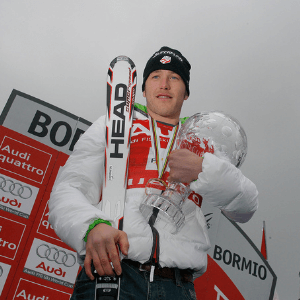
Bode Miller is the canonical example of endorsement-driven wealth in skiing. At his peak, combined income from sponsors — Red Bull, Barilla, equipment partners — dwarfed his prize earnings by a wide margin. For most elite skiers, endorsements represent 60–80% of total income. Ski brands, apparel companies, goggles, bindings, and lifestyle labels all compete for athletes who carry credibility and genuine audience reach.
Pro insight: Athletes who build a real social media audience before reaching the top tier consistently negotiate better initial sponsorship terms — media reach is now a line item in athlete contracts.
How Pro Skiers Maximize Their Earnings
The athletes who earn the most aren't always the fastest — they're the ones who treat their career as a business. Our team has identified the strategies that consistently separate mid-tier earners from those who build real financial security.
Brand Positioning and Social Media
Every athlete with a strong personal brand earns more than equally skilled peers who lack one. Sponsors now calculate audience value directly into contract offers, and athletes who ignore this leave money on the table. Consistent, high-quality content — even during the off-season — compounds into leverage at contract renewal time.
- Post race recap content within 24 hours while the moment is still relevant
- Behind-the-scenes training footage builds the parasocial connection sponsors want
- Partner with smaller brands early to build a track record before approaching major sponsors
Diversifying Income Streams
Relying on a single sponsor or one prize circuit is fragile. The athletes who last longest financially run multiple parallel income streams. Ski clinics, coaching camps, and media licensing all generate income that doesn't depend on any single race result — and those streams continue even through injury recovery seasons.
Gear, Sponsors, and the Equipment Factor
Equipment sponsorship is often the first financial relationship a young skier secures — and it matters far beyond just the gear itself. Ski, boot, and binding sponsors frequently provide a base stipend alongside free equipment, covering a significant portion of training costs that athletes would otherwise self-fund.
What Equipment Sponsorships Actually Cover
Our team estimates that a fully self-funded competitive skier spends $15,000–$40,000 per season on equipment, travel, coaching, and entry fees before earning a single dollar in prize money. A solid ski or boot deal changes that math entirely — covering $8,000–$20,000 in annual expenses and often including access to prototype equipment that improves results.
Warning: Equipment-only sponsorships with no cash component are extremely common at junior and regional levels — most athletes need to factor the full cost of competing into their financial plan before assuming these deals make the career viable.
Gear considerations extend beyond sponsorship. Boot fit directly affects race performance, and sponsors expect athletes to compete exclusively in their product line. Our broader skiing coverage addresses gear selection fundamentals that apply whether someone is chasing a sponsorship or buying retail.
Managing Finances and Career Longevity
Professional skiing careers are short. Most competitive athletes peak in their mid-to-late twenties, and injuries accelerate that timeline without warning. Financial planning from day one is non-negotiable. Our team's consistent finding is that athletes who treat their peak earning years as a finite window — and save aggressively during them — fare dramatically better post-career than those who don't.
- Injury insurance is expensive but critical — one major crash can end a career without it
- Off-season income during non-competition months smooths cash flow year-round
- Athletes who earn coaching certifications early have a direct post-career income bridge
- Appearance fees from events, expos, and brand activations accumulate meaningfully over time
Planning the Post-Career Transition
The average World Cup-level career lasts seven to ten years. At the national circuit level, it's often shorter. Anyone projecting lifetime earnings needs to treat that career window realistically. The athletes our team has tracked who transition smoothest into post-career income — coaching, clinics, brand consulting — are the ones who built those relationships while still actively competing.
Fast Tracks to Supplemental Income
Not every athlete reaches the World Cup. For those competing at regional or national levels, supplemental income isn't just helpful — it's often essential. The fastest and most reliable paths our team has identified:
- Ski instruction and coaching — Certifiable skills with immediate marketability in any resort market
- Ski camp directing — Running youth or adult camps generates $5,000–$30,000 per season depending on scale
- Ski patrol — Steady seasonal income, free mountain access, and valuable medical training
- Product testing and consulting — Gear brands pay for expert athlete feedback, especially those with racing backgrounds
Digital and Content Income
Content creation has moved from side hustle to primary income for many mid-tier athletes. YouTube ad revenue, brand partnerships, and affiliate income from gear recommendations can generate $10,000–$60,000 annually for athletes with engaged audiences. The barrier to entry is low — consistent quality and niche expertise matter more than production budget. The most financially stable mid-tier athletes we've tracked combine two or three of these streams with their competition income, rather than relying on any single source.
Frequently Asked Questions
What is the average professional skier annual salary?
The average professional skier annual salary varies enormously by discipline and level. Mid-tier World Cup competitors typically earn $35,000–$230,000 when combining prize money and sponsorships. Elite athletes at the very top can earn $300,000 to several million dollars annually. Below the World Cup level, most competitive skiers earn under $55,000 in total combined income.
Do pro skiers receive a base salary?
Most pro skiers do not receive a traditional base salary. Income comes from prize money, federation bonuses, endorsement contracts, appearance fees, and supplemental work. National federations sometimes provide modest athlete stipends, but these rarely cover full living expenses. Sponsorship contracts are the closest equivalent to a guaranteed income floor for most competing athletes.
Who is the highest-paid professional skier?
Bode Miller is widely regarded as one of the highest-earning skiers in history, with career endorsements from major brands supplementing his extensive World Cup and Olympic results. Mikaela Shiffrin, with her record-breaking win totals, has commanded elite-level sponsorship income across her career. Both athletes demonstrate that longevity and marketability drive lifetime earnings more than any single result.
How much do Olympic skiers earn per medal?
Olympic skiers earn medal bonuses from their national Olympic committees, not directly from the IOC. The U.S. Olympic Committee pays approximately $37,500 for gold, $22,500 for silver, and $15,000 for bronze. These figures are significant but modest compared to the endorsement uplift that typically follows an Olympic medal — which is where the real financial reward materializes.
Can a skier make a living without consistently winning races?
Absolutely. Many professional skiers build sustainable incomes through a combination of mid-field results, solid sponsorships, content creation, and supplemental work like coaching or clinics. Brand appeal and social audience size matter as much as podium results for many sponsors. A skier with a strong following and consistent top-20 results can often command better endorsement terms than a one-hit podium finisher with no audience.
How does skiing compare to other winter sports for athlete pay?
Alpine skiing sits in the mid-tier of winter sports pay. Ice hockey commands broader global audiences and larger total prize structures. Nordic skiing and biathlon pay comparably to alpine at the World Cup level. Snowboarding, particularly in freestyle disciplines, can rival alpine pay due to the strong youth demographics that lifestyle brands prize. Overall, skiing offers more career income stability than most winter sports thanks to its well-established World Cup circuit and sponsorship infrastructure.
Key Takeaways
- The professional skier annual salary ranges from under $10,000 for regional competitors to several million dollars for elite athletes — endorsements, not prize money, drive the top end of that range.
- Equipment sponsorships are the first and most critical financial relationship most competitive skiers secure, often eliminating $8,000–$20,000 in annual out-of-pocket expenses.
- Most World Cup careers last seven to ten years, making aggressive financial planning and off-season income essential from the very start — not something to figure out later.
- Mid-tier athletes who combine coaching, content creation, and competition income build the most financially stable and sustainable careers in the sport.
 |
 |
 |
 |

About Frank V. Persall
Frank Persall is a lifelong skier originally from the United Kingdom who has spent years pursuing the sport across premier resorts in Europe, North America, and beyond. His passion for skiing has taken him from the Alps to the Rocky Mountains, giving him a broad perspective on resort terrain, snow conditions, gear performance across price points, and the practical realities of ski travel with a family. At SnowGaper, he covers ski resort guides, gear reviews, and skiing technique and travel resources for enthusiasts of every level.
You can get FREE Gifts. Or latest free skiing books here.
Disable Ad block to reveal all the info. Once done, hit a button below
|
|
|
|