More than 10 million Americans hit the slopes every ski season, and nearly every one of them has to answer the same question before they ever clip into their bindings: what is a ski pass? A ski pass is your official access credential for a ski resort — it grants you the right to ride the lifts, use the trails, and sometimes take advantage of other resort amenities. Whether you're planning your first trip or your fiftieth, knowing your pass options can save you real money and real frustration. Explore the full world of snow sports at our skiing guides to build your knowledge from the ground up.
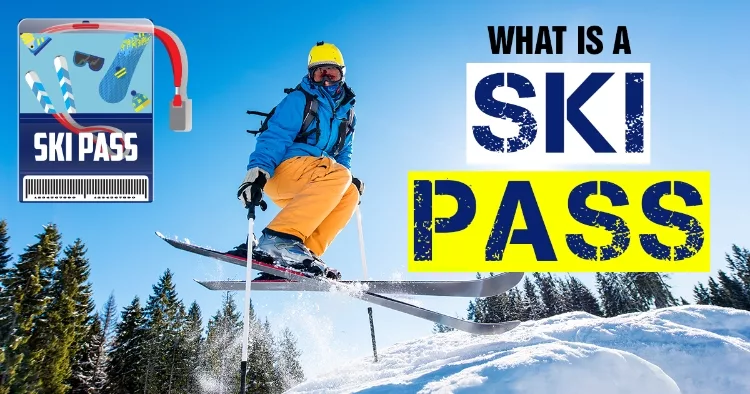
Ski resorts sell passes in a wide range of formats — from a single-afternoon lift ticket to a multi-resort season pass that unlocks hundreds of mountains across the country and beyond. Prices swing just as widely. A walk-up day ticket at a popular destination resort can run $200 or more, while a pre-purchased season pass at a smaller regional hill might cost less than $300 for unlimited access all winter. The spread is significant, and it pays to know your options before you hand over your card.
This guide covers everything: what a ski pass actually is, the main categories available, a head-to-head comparison of the top options, tips for finding the best deal, and how to handle the most common problems that come up during the season.
Contents
What a Ski Pass Is and How It Works
At its most basic level, a ski pass is a prepaid access token that a resort scans at the base of every lift. You buy the pass, the skiing days are loaded onto it, and the resort's scanner verifies your access every time you step into a lift line. Simple in theory — though the details vary quite a bit depending on the resort and the type of pass you're holding.
The Basic Mechanics
Modern ski passes almost universally use RFID (radio frequency identification) technology. A small chip embedded in the card communicates with a gate reader at each lift entrance without you needing to take it out of your pocket. You walk through, the light goes green, and you're on your way. Older resorts may still rely on barcodes or magnetic stripes, but RFID has become the industry standard.
When you buy a pass, you typically pick it up at the resort's ticket window on your first day, or you order it in advance and receive it by mail. Some resorts now let you upload a photo and have the card shipped before the season starts. If your pass is digital, the resort's app can display a scannable code directly on your phone.
According to Wikipedia's overview of ski resorts, modern resorts have grown significantly in infrastructure complexity — and the ticketing system is a core part of managing access across hundreds of lifts and trails at any given mountain.
What Your Pass Actually Covers
The base ski pass covers lift access — that's it. Every lift, every run, all day (or for however many days your pass is valid). What it typically does not include:
- Ski rental equipment
- Ski lessons or ski school enrollment
- Parking fees
- Food and beverage
- Terrain park access at some resorts
- Locker rentals
Some premium passes bundle in perks like free lessons for kids, discounted rentals, or complimentary lodging nights. Read the fine print before you buy — these extras can meaningfully change the value equation. If you're just getting started on the mountain, these 8 tips for beginner skiers will help you figure out exactly what else you'll need beyond a pass.
The Main Types of Ski Passes
Not all ski passes work the same way. The category you choose determines your flexibility, your commitment level, and your cost per ski day. Here's a plain breakdown of what's actually available.
Day Tickets and Multi-Day Options
A day ticket (sometimes called a lift ticket) is the most flexible option — you buy access for one day with no long-term commitment. It's ideal if you only ski once or twice a season, or if you're trying a new resort for the first time. The downside? Day tickets are almost always the most expensive option on a per-day basis.
Multi-day tickets bundle two to seven consecutive days at a discount over buying individually. Most major resorts offer three-day, five-day, and seven-day packages. If you're planning a dedicated ski vacation and sticking to one resort, a multi-day ticket is usually your best bet. Figuring out where to go? The top 5 family ski resorts in the USA breaks down the best destination options by resort profile.
Season Passes
A season pass gives you unlimited access to one resort (or a defined group of resorts) for the entire ski season — typically from late October or November through April. Once you've hit the break-even point, which is usually somewhere between five and ten ski days depending on the resort, every additional day is effectively free.
Season passes frequently include perks like early-season access, free bring-a-friend days, and discounts at the resort's lodges and ski school. Many resorts reward early buyers with the lowest prices, so committing in the spring for the upcoming season can save you a significant chunk of money.
Multi-Resort Passes
Multi-resort passes — the two biggest being the Epic Pass and the Ikon Pass — are the game changers of the modern ski industry. These passes give you access to dozens or even hundreds of resorts across the country and internationally, all for one flat price. The Epic Pass, operated by Vail Resorts, covers over 40 resorts. The Ikon Pass, run by Alterra Mountain Company, covers a comparable network.

Both mega-passes also offer lower-tier versions — the Epic Local Pass and the Ikon Base Pass — at reduced prices with some blackout date restrictions during peak holiday periods. If you plan to ski more than a handful of times and don't mind a few limitations, these tiered options often represent the best value available in skiing today.
Pro tip: Buy your multi-resort pass in the spring for the biggest discount — both Epic and Ikon prices step up multiple times as the following season approaches.
Season Pass vs. Day Ticket: Side by Side
The question of whether to buy a season pass or stick with day tickets comes down to math and flexibility. Here's how the numbers typically look across the main pass categories:
| Feature | Day Ticket | Season Pass | Multi-Resort Pass |
|---|---|---|---|
| Typical cost | $80–$200+ per day | $400–$1,200 | $600–$1,000+ |
| Commitment | None | One resort / season | Resort network / season |
| Best for | 1–3 days per year | 5+ days at one mountain | 5+ days at multiple destinations |
| Flexibility | High | Low–Medium | Medium–High |
| Blackout dates | None | Rare (base passes only) | Sometimes (base/local tier) |
| Break-even point | N/A | ~5–8 ski days | ~6–10 ski days |
One useful benchmark: if day tickets at your resort run $150 and the season pass costs $800, you break even around day six. Ski seven or more days and the pass saves you real money. Knowing how long the ski season actually runs in the USA can help you estimate how many ski days you're realistically going to squeeze in — and whether a pass makes financial sense for your schedule.
Which Pass Fits Your Skiing Style
There's no universal right answer. The best ski pass for you depends on your habits, your budget, and how flexible your plans are. Here's how to think through it.
Casual Skiers
If you ski one to three times a year without a strong preference for a specific resort, day tickets or short multi-day packages are probably your best move. You preserve flexibility, avoid upfront commitment, and can shop around for the best conditions each season.
That said, even casual skiers should look at the Ikon Base Pass or Epic Local Pass if they happen to live near a resort in those networks. At $400–$600, these base passes often pay for themselves in just a few visits — and they eliminate the decision fatigue of buying tickets individually each time.
Frequent Skiers
If you ski five or more days in a season, a season pass or multi-resort pass is almost certainly your best financial move. You'll hit the break-even point quickly, and every day on the mountain after that effectively costs you nothing extra.
- Ski mostly one resort? Get that resort's direct season pass — you'll pay less than a multi-resort option.
- Like variety and travel? A full Epic or Ikon pass opens the whole network with no date restrictions.
- On a budget but still want variety? The base and local versions are worth the small holiday trade-off.
- Live near a smaller independent resort? Their local pass may beat the mega-passes on price.
Families and Groups
Families with kids under a certain age — usually 12 or younger — often get free or heavily discounted passes at most resorts. This changes your math dramatically. Two adults buying season passes plus two kids skiing free means the family's cost per ski day drops to almost nothing once you've gotten past the first few outings.
Group discounts are also worth investigating if you're organizing a trip with friends. Many resorts offer group rates on day tickets when you purchase ten or more. If you're planning a dedicated family trip, the guide to the best family ski resorts in the USA has resort-by-resort breakdowns to help you compare kid-friendly amenities alongside pass pricing.
How to Get the Best Deal on Your Ski Pass
Ski passes are one of the most price-variable products in outdoor recreation. The same pass can cost wildly different amounts depending entirely on when and how you buy it.
Buy Early
This is the single most consistent way to save money on any ski pass. Both Epic and Ikon offer their lowest prices in the spring and early summer, before the upcoming season begins. Prices step up multiple times as the season approaches, and window pricing on the day you arrive is almost always the most expensive option of all.
Local resort season passes follow the same pattern — early bird pricing in spring, regular pricing in the fall, and full price once the snow flies. Commit early and you'll almost always save at least 20–30%.
Warning: Many passes are non-refundable once purchased — check the cancellation and insurance policies carefully before you commit, especially if your ski plans are subject to change.
Multi-Resort Pass Value
Before buying an Epic or Ikon pass, map out which resorts in the network are actually within your realistic travel range. The value of a multi-resort pass depends entirely on whether you'll visit the included mountains. A pass loaded with resorts you'll never reach isn't a deal — it's just expensive.
Look at the resort list for each pass, identify five to eight mountains you'd genuinely visit in a season, and then compare that to buying day tickets at each. If the pass comes out ahead, it's a buy.
Look for Included Extras
Season passes often include perks that aren't advertised as loudly as the lift access. Before dismissing a slightly higher-priced pass, check whether it includes:
- Free or discounted ski lessons (especially valuable if you're still learning)
- Buddy tickets or bring-a-friend days
- Discounts on rentals, food, and on-mountain lodging
- Access to summer activities at the same resort
- Early-open or late-close season access before and after the public season dates
These extras can meaningfully shift the value comparison — sometimes a pass that looks pricier upfront actually delivers more total value once you factor in what's bundled in.
Common Pass Problems and How to Handle Them
Even with good planning, things go wrong. Here's how to deal with the most common ski pass headaches before they derail your day on the mountain.
Lost or Stolen Passes
Don't panic. Most modern RFID passes can be deactivated and reissued at the resort's guest services window. You'll typically need your confirmation email, a photo ID, and sometimes a small reissue fee. The turnaround is usually same-day. Keep your order confirmation accessible — it's your proof of purchase if something goes wrong and you need a replacement quickly.
Some resorts allow you to link your pass to a photo in their system. If you opt into this, the scanner flags anyone who doesn't match the photo on file, which adds a useful layer of theft protection on multi-day or season-length passes.
Blackout Dates
Base and local tier passes often block access during peak holiday periods — typically Christmas week, New Year's, Presidents' Day weekend, and spring break. If you ski over the holidays, make absolutely sure the pass you're buying allows access on those specific dates before you commit. The full Epic Pass and full Ikon Pass have no blackout restrictions; the base and local versions do.
Blackout date confusion is one of the most common complaints from skiers arriving at a resort over a holiday weekend expecting access they don't have. Read the pass terms carefully — it's not fine print you want to discover at the lift gate.
Protecting Your Pass
Physical ski passes are durable, but they can be damaged by a few common culprits:
- Demagnetization from sitting directly against a phone or stack of credit cards
- Cracking from extreme cold or being sat on repeatedly
- Water infiltration if the card casing isn't fully sealed
Keep your pass in a dedicated slot in your jacket, away from electronics. Many ski jackets include a pass pocket near the left sleeve specifically for quick scanning — use it. If your pass comes with a plastic holder or protective sleeve, don't discard it. Replacing a damaged pass mid-season is a hassle you don't need when you're trying to maximize your time on the hill.
Frequently Asked Questions
What exactly is a ski pass?
A ski pass is an access credential — usually a plastic card with an RFID chip or a digital barcode — that grants you the right to ride the lifts at one or more ski resorts. You present or scan it at the base of each lift to verify your access. Some passes cover a single day; others cover an entire season or a full network of resorts.
What is the difference between a ski pass and a lift ticket?
The terms are often used interchangeably. Technically, a lift ticket usually refers to a single-day or short-term purchase, while a ski pass more often implies a season-long or multi-resort product. In practice, resorts and skiers use both terms to describe the same thing — your prepaid access to the mountain's lift system.
How many days do I need to ski to make a season pass worth it?
The break-even point varies by resort and pass price, but a solid rule of thumb is five to eight ski days. If a day ticket costs $150 and a season pass costs $800, you break even around day six. Every day after that, the season pass is saving you money. Run the specific numbers for your resort before committing.
What is the Epic Pass and how does it work?
The Epic Pass is a multi-resort season pass operated by Vail Resorts. It gives holders unlimited access to over 40 ski resorts across the USA and internationally for one flat annual fee. A discounted Epic Local Pass is also available with some blackout dates during peak holiday periods. You buy it online, then receive the physical card by mail or pick it up at any participating resort on your first visit.
Can I get a refund on a ski pass if I get injured?
Most major ski pass providers offer optional pass insurance — sometimes called Ski Pass Protection — at an additional cost at checkout. This covers you for a partial or full refund if you can't ski due to injury, illness, or other qualifying events. Without that insurance, passes are typically non-refundable. Always check the cancellation policy and seriously consider the add-on if there's any chance your season plans could fall through.
Do kids ski for free with an adult ski pass?
Many resorts offer free or heavily discounted passes for children, but the terms vary widely by resort and pass type. Some mountains offer free skiing for kids under five or under ten when accompanied by an adult holding a full-price pass. Others require a separate kids' season pass purchase. Check the specific resort's current policy rather than assuming your child's access is included.
What are blackout dates on a ski pass?
Blackout dates are specific days when a pass is not valid for lift access — typically the busiest holiday periods of the ski season such as Christmas week, New Year's, and Presidents' Day weekend. They appear most often on base-tier or local-tier versions of multi-resort passes like the Epic Local Pass or Ikon Base Pass. Full versions of those passes carry no blackout restrictions. Always verify which dates your pass excludes before booking any holiday travel.
Key Takeaways
- A ski pass is your RFID or barcode-based access credential for a resort's lift system — understanding what is a ski pass and which type fits your habits is the foundation of smarter ski trip planning.
- Day tickets offer maximum flexibility but cost the most per day; season passes and multi-resort passes like Epic and Ikon reward anyone who skis five or more times in a season.
- Buying your pass in the spring or early summer is the single most reliable way to lock in the lowest price before seasonal price increases kick in.
- Always check for blackout dates, bundled extras, and pass insurance options before you finalize your purchase — the fine print matters more than most skiers expect.
 |
 |
 |
 |

About Frank V. Persall
Frank Persall is a lifelong skier originally from the United Kingdom who has spent years pursuing the sport across premier resorts in Europe, North America, and beyond. His passion for skiing has taken him from the Alps to the Rocky Mountains, giving him a broad perspective on resort terrain, snow conditions, gear performance across price points, and the practical realities of ski travel with a family. At SnowGaper, he covers ski resort guides, gear reviews, and skiing technique and travel resources for enthusiasts of every level.
You can get FREE Gifts. Or latest free skiing books here.
Disable Ad block to reveal all the info. Once done, hit a button below
|
|
|
|