The first time a spectator witnesses the start of the Hahnenkamm Downhill — competitors launching into a near-vertical pitch at speeds exceeding 130 kilometers per hour — competitive skiing takes on an entirely different dimension. The noise, the velocity, the collective tension of tens of thousands of fans packed into the Kitzbühel finish area: it is a spectacle that demands deeper understanding. For anyone seeking to explore the best world ski tournaments, the global competition calendar offers a rich landscape spanning alpine speed events, ski jumping marathons, and championship showdowns across three continents. Those planning a visit can browse the full selection of ski resorts that host or neighbor these landmark events.

The Fédération Internationale de Ski, universally known as the FIS, governs the international structure connecting these events into a coherent season. Across alpine, ski jumping, Nordic combined, and freestyle disciplines, athletes accumulate points through individual races en route to coveted season-long crystal globe titles. The circuit spans Europe, North America, and select venues beyond, running from late autumn through early spring.
Professional competitors in these tournaments operate at the intersection of athletic excellence and technological precision. The speeds they achieve and the margins that separate them are genuinely remarkable — those curious about the exact velocities involved should read How Fast Do Downhill Skiers Go? for a detailed breakdown. Understanding those performance thresholds adds considerable depth to any appreciation of the competitive calendar.
Contents
- The Equipment That Defines Elite Ski Competition
- How Elite Ski Tournaments Are Organized
- A Comparative Overview of Premier Ski Tournaments
- Making the Most of the Ski Tournament Experience
- Separating Fact From Fiction in World Ski Competition
- The 10 Best World Ski Tournaments: A Closer Look
- Frequently Asked Questions
- Key Takeaways
The Equipment That Defines Elite Ski Competition
Skis, Boots, and Bindings at the World Level
At the elite competition level, ski equipment is purpose-built for specific disciplines. Downhill skis typically range from 218 to 235 centimeters and incorporate layers of wood core, fiberglass, carbon fiber, and titanal for a balance of rigidity and vibration damping. Binding release values are calibrated with laboratory precision, set to retain the athlete through forces encountered in racing while releasing cleanly during a fall. Boots used by World Cup competitors carry flex ratings well above 130, meaning almost zero lateral movement — every input from the athlete transfers directly and immediately to the ski edge.
Slalom equipment differs from speed gear in meaningful ways. Slalom skis are shorter and carved with tighter sidecut radii that enable rapid direction changes around closely spaced gates. Giant slalom skis sit between slalom and speed disciplines in geometry. Each event essentially demands a specialized instrument, and top competitors carry complete equipment sets for every discipline they enter.
Protective Gear and Course Preparation
Modern competitive skiing places significant emphasis on athlete protection. Full-face helmets with visors, back protectors, reinforced shin guards for slalom, and air fence systems at critical points on downhill courses form a comprehensive safety framework developed over decades of painful lessons. Course preparation has become a discipline in itself — crews inject water into snow surfaces over multiple nights to create an ice-like base that standardizes conditions and prevents rutting as a large race field passes through.
How Elite Ski Tournaments Are Organized
The World Cup Circuit Model
The FIS World Cup season operates as a cumulative points competition spanning dozens of individual events. Points are awarded to the top finishers at each race, with the overall crystal globe going to the athlete with the highest total across all disciplines. Separate globes are awarded for each individual discipline, meaning a specialist can secure a category title without competing seriously for the overall. The structure rewards sustained consistency as much as raw speed, which distinguishes World Cup champions from athletes who peak only at championship events.
Championship Events Versus Circuit Races
The FIS Alpine World Ski Championships, held in odd-numbered years at rotating venues, award medals rather than circuit points and carry enormous historical prestige. The Winter Olympic Games, staged every four years, represent the single highest-profile event in the skiing calendar. The contrast between formats matters enormously: the circuit tests athletes across a full season's worth of races, while championships compress everything into a single high-stakes week. A racer can dominate the season circuit for years and never secure an Olympic gold — the record of near-misses is long and instructive.
A Comparative Overview of Premier Ski Tournaments
Key Events at a Glance
| Tournament | Discipline | Location | Frequency | Prestige Level |
|---|---|---|---|---|
| Hahnenkamm Downhill | Alpine Downhill | Kitzbühel, Austria | Annual | Iconic |
| Four Hills Tournament | Ski Jumping | Germany & Austria | Annual | Iconic |
| Lauberhorn, Wengen | Alpine DH / Slalom | Switzerland | Annual | Very High |
| Val d'Isère World Cup | Alpine (multi-discipline) | France | Annual | Very High |
| Planica World Cup | Ski Flying / Jumping | Slovenia | Annual | Very High |
| Birds of Prey, Beaver Creek | Alpine Speed Events | Colorado, USA | Annual | High |
| Audi FIS World Cup, Aspen | Alpine (multi-discipline) | Colorado, USA | Annual | High |
| Lillehammer World Cup | Ski Jumping | Norway | Annual | High |
| Sölden Giant Slalom | Alpine GS — Season Opener | Austria | Annual | High |
| FIS World Ski Championships | Alpine (all events) | Rotating | Biennial | Elite |
What Sets Each Tournament Apart
Beyond raw statistics, each event carries a personality shaped by terrain, local tradition, and decades of competitive history. Kitzbühel's Streif is feared and revered in equal measure by the athletes who race it. The Four Hills Tournament builds a compelling multi-week narrative across four distinct jumps. Val d'Isère sets the tone for the technical alpine season from its opening weekend. No single tournament fully captures what professional skiing is — taken together, they reveal its complete complexity.
Making the Most of the Ski Tournament Experience
Planning a Visit to a World Cup Event
Attending a World Cup race requires considerably more preparation than a standard ski holiday. Hospitality packages at marquee events like Kitzbühel sell out months in advance, and standing-room areas at finish corrals can become densely crowded on race day. Spectators should plan for early arrivals, unpredictable alpine weather, and extended periods outdoors without access to warming facilities on the slope. Those wishing to align event attendance with broader skiing plans should consult the guidance found in Planning a Ski Trip? Here's a Helpful Checklist of Factors to Consider for a thorough approach to logistics.
Experienced race spectators consistently recommend staking out a position at a technical section — a compression, a major jump, or a tight gate combination — rather than crowding the finish area, where distance from the course dilutes the visceral sense of speed.
Following Tournaments Without Traveling
Broadcast and streaming access has improved substantially in recent seasons. The FIS website provides live timing and real-time results, while dedicated sports broadcasters across multiple regions offer full coverage with expert commentary. Fantasy skiing platforms and dedicated fan communities have cultivated engaged global audiences around the World Cup season, making it possible to follow the circuit closely from any time zone. Remote followers often develop a nuanced understanding of racer form, course tendencies, and team dynamics that rivals that of many in-person attendees.
Separating Fact From Fiction in World Ski Competition
Myth: Alpine Racing Is the Only Serious Discipline
Many casual observers associate world-class ski competition exclusively with alpine events — Downhill, Super-G, Giant Slalom, and Slalom. In practice, the global circuit encompasses ski jumping, Nordic combined, cross-country skiing, biathlon, freestyle skiing, and snowboard disciplines, each carrying its own dedicated World Cup series and substantial international viewership. Ski jumping's Four Hills Tournament alone draws hundreds of thousands of in-person spectators across its four venues, exceeding the crowd figures at many prominent alpine events. Treating alpine as the only legitimate form of ski competition overlooks a vast portion of the sport's global reach and heritage.
Myth: Only Traditional Ski Nations Can Win
The assumption that Austria, Switzerland, Norway, France, and the United States hold a permanent lock on podium positions no longer holds under scrutiny. Recent World Cup seasons have produced victories from nations without historically deep skiing traditions, the result of targeted national investment in coaching infrastructure, training facilities, and talent identification programs. The ongoing globalization of elite sport development has distributed competitive ability more broadly than at any previous point in the sport's recorded history. The results sheet at any given World Cup race increasingly reflects this widening competitive landscape.

The 10 Best World Ski Tournaments: A Closer Look
European Alpine Classics
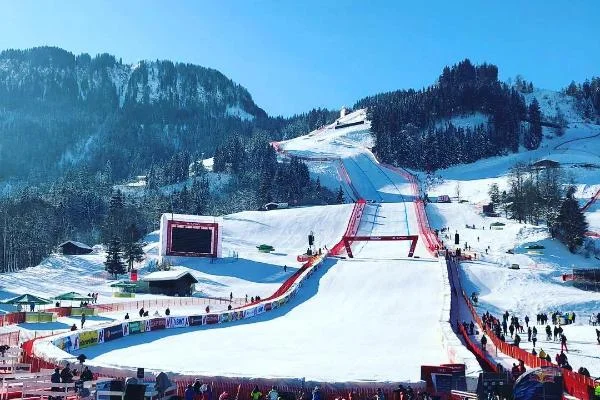
The Hahnenkamm Downhill at Kitzbühel occupies a singular position in the sport's mythology. The Streif course descends over 860 meters of vertical across 3.3 kilometers, with passages that expose racers to sustained speeds exceeding 130 kilometers per hour. Winning here is considered among the highest individual achievements in alpine racing. The Lauberhorn at Wengen, Switzerland, hosts the longest downhill course on the World Cup circuit — a technically demanding run through the Bernese Oberland with a storied history stretching back nearly a century. Val d'Isère traditionally opens the alpine technical season and sets early standings with authority. The Sölden Giant Slalom on the Retenbach Glacier serves as the ceremonial start of the entire alpine calendar each autumn.

Ski Jumping Showcases
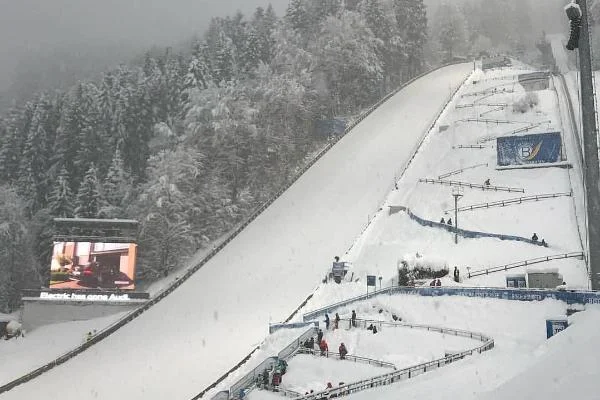
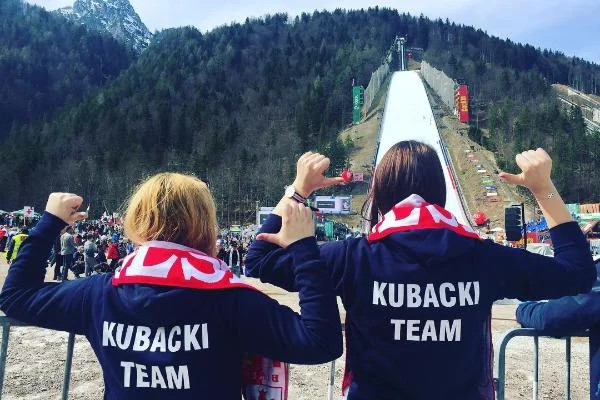
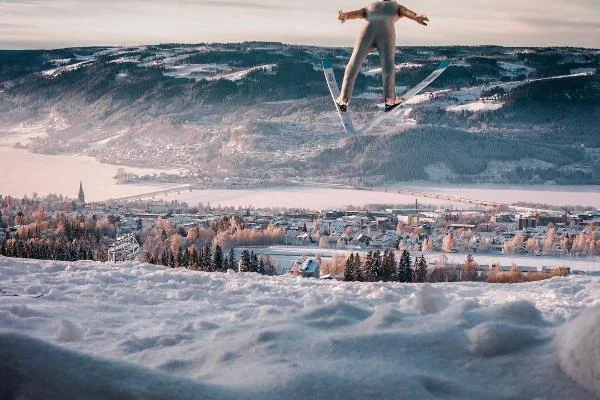
The Four Hills Tournament runs across four legendary jumping hills in Germany and Austria — Oberstdorf, Garmisch-Partenkirchen, Innsbruck, and Bischofshofen — over the holiday period. Completing all four events and topping the combined standings is a feat accomplished by very few athletes in the competition's long history, making it one of the most contested titles in the sport. The Planica World Cup in Slovenia closes the jumping season at one of the world's most celebrated ski flying hills, where competitors regularly exceed 240 meters in distance. Lillehammer brings the jumping circuit to Norway, where the sport holds near-mythological cultural status and crowds turn out in exceptional numbers.
North American Venues
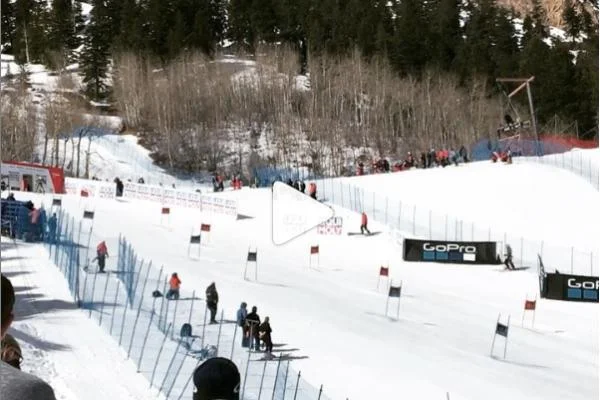
The Birds of Prey World Cup at Beaver Creek, Colorado, has established itself as North America's most respected alpine speed event. The Birds of Prey downhill course is technically demanding, and the event draws strong international fields eager to perform on a course that rewards committed line choices and precise edge control. The Audi FIS World Cup at Aspen Snowmass traditionally closes the alpine season with slalom and giant slalom events, giving the circuit a dramatic final chapter in front of engaged American crowds. Both venues demonstrate that competitive skiing commands genuine passion outside its European heartland.
Championship-Level Competition
The FIS Alpine World Ski Championships stands apart from the regular circuit as a pure medal competition held every two years at rotating venues. Nations and individual athletes orient portions of their training cycles specifically around this event, and results here carry lasting historical weight that circuit victories alone cannot replicate. The financial dimensions of competing at this professional level are explored in depth in How Much Do Professional Skiers Earn? — the economics of the sport at its highest tier are considerably more nuanced than most observers assume. The Winter Olympic Games, meanwhile, represent the ultimate quadrennial stage: victories there carry cultural resonance that transcends the sport itself and defines careers permanently.

Frequently Asked Questions
What is considered the most prestigious alpine ski race in the world?
The Hahnenkamm Downhill at Kitzbühel, Austria, is widely regarded as the most prestigious individual race on the alpine circuit. The Streif course's combination of extreme gradient, technical complexity, and historical significance places a victory there at the pinnacle of alpine racing achievement.
How often do the FIS Alpine World Ski Championships take place?
The FIS Alpine World Ski Championships are held every two years, in odd-numbered years, at a rotating host venue selected by the FIS. Unlike the World Cup circuit, the Championships award medals rather than season points, and participation represents a distinct competitive objective for national teams.
What is the Four Hills Tournament and why is it significant?
The Four Hills Tournament is an annual ski jumping competition held across four venues in Germany and Austria — Oberstdorf, Garmisch-Partenkirchen, Innsbruck, and Bischofshofen. Its significance stems from the challenge of maintaining consistent performance across all four events; winning the combined overall title is among the rarest achievements in jumping.
What makes the Planica venue in Slovenia special for ski jumping?
Planica hosts one of the world's premier ski flying hills, where competitors regularly exceed 240 meters in distance. The venue traditionally closes the FIS Ski Jumping World Cup season and draws enormous crowds. Its long history of distance records and season-ending drama has made it a beloved fixture of the sport's calendar.
What disciplines are included in the FIS Alpine Ski World Cup?
The FIS Alpine Ski World Cup comprises five core disciplines: Downhill, Super-G, Giant Slalom, Slalom, and Alpine Combined. Points are awarded at each event toward both discipline-specific standings and an overall season ranking, with crystal globe trophies presented to leaders in each category at season's end.
Is it possible for spectators to attend a World Cup race in person?
Attending a World Cup race in person is entirely feasible, though popular events like Kitzbühel require advance planning for tickets and accommodation. General admission areas are typically available, while premium hospitality packages sell out quickly. Spectators should prepare for alpine weather conditions and plan arrival well before race start to secure good viewing positions.
What is ski flying, and how does it differ from regular ski jumping?
Ski flying uses larger hills with longer in-run tracks, enabling competitors to achieve distances far beyond those possible in standard jumping. While regular ski jumping competitions use hills with K-points around 120 meters, ski flying hills are designed for distances well above 200 meters. The discipline requires the same fundamental technique but demands exceptional aerodynamic control and composure at significantly higher speeds.
Key Takeaways
- The best world ski tournaments span multiple disciplines — alpine, ski jumping, and beyond — with each event carrying its own heritage and competitive character that no single race fully captures alone.
- The FIS World Cup circuit rewards season-long consistency across dozens of events, while championship competitions like the World Ski Championships and Winter Olympics test peak performance under concentrated pressure.
- Iconic venues such as Kitzbühel, Planica, and Wengen define the soul of competitive skiing, combining extreme terrain with decades of accumulated tradition that athletes and spectators alike regard with reverence.
- Following the global ski tournament calendar — whether in person or remotely — offers a far broader and more rewarding engagement with the sport than focusing on any single event or discipline in isolation.
 |
 |
 |
 |

About Frank V. Persall
Frank Persall is a lifelong skier originally from the United Kingdom who has spent years pursuing the sport across premier resorts in Europe, North America, and beyond. His passion for skiing has taken him from the Alps to the Rocky Mountains, giving him a broad perspective on resort terrain, snow conditions, gear performance across price points, and the practical realities of ski travel with a family. At SnowGaper, he covers ski resort guides, gear reviews, and skiing technique and travel resources for enthusiasts of every level.
You can get FREE Gifts. Or latest free skiing books here.
Disable Ad block to reveal all the info. Once done, hit a button below
|
|
|
|