The best ski resorts in Italy deliver world-class terrain, iconic Dolomite scenery, and an après-ski culture that rivals anything France or Switzerland has to offer. Italy is an easy answer when you're deciding where to ski in the Alps. Explore our full collection of ski resort guides to compare destinations worldwide before you book.
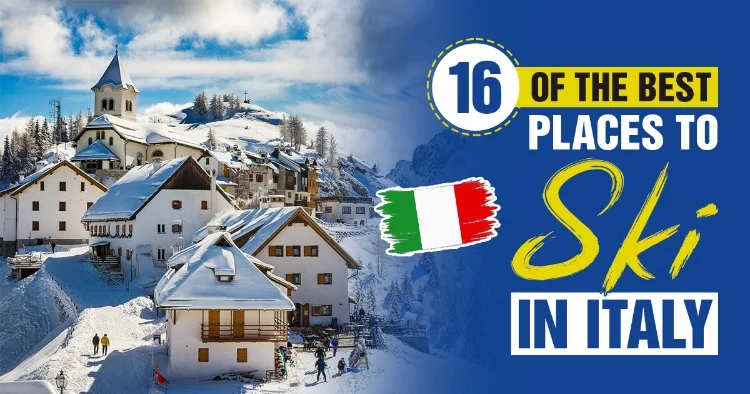
Italy's ski terrain stretches from the Aosta Valley in the west — sharing glaciers with France and Switzerland — to the eastern Dolomites, a UNESCO World Heritage Site that hosts over 1,200 km of connected runs through the famous Sellaronda circuit. These two zones produce wildly different skiing experiences, and the 16 resorts in this guide represent the full spectrum of what Italian skiing delivers.
Below you'll find the top picks broken down by region, a clear cost guide, the mistakes to avoid, and everything you need to plan a trip worth repeating.
Contents
- The Best Ski Resorts in Italy, Region by Region
- Best Time to Ski Italy (And When to Avoid)
- Mistakes That Will Hurt Your Italy Ski Trip
- What Skiing in Italy Actually Costs
- Italy vs. Other Alpine Destinations: Honest Assessment
- How to Build Your Italy Ski Experience Over Time
- Frequently Asked Questions
- Key Takeaways
The Best Ski Resorts in Italy, Region by Region
Italy's 16 standout resorts fall into three geographic clusters. Each cluster has its own terrain character, infrastructure, and price point. Here's what you need to know about each one.
Dolomites & South Tyrol
The Dolomites are the center of gravity for Italian skiing. Jagged limestone peaks, interconnected lift systems, and the Sellaronda circuit make this region a must-visit destination for any serious skier.
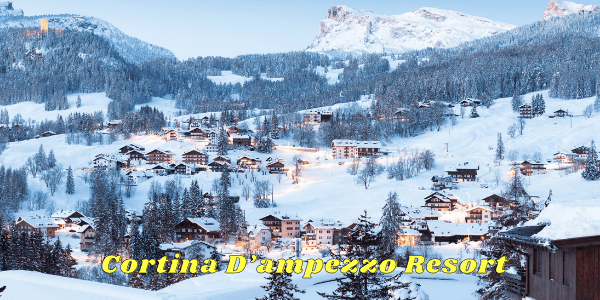
- Cortina D'Ampezzo — Italy's most glamorous resort. Hosted the 1956 Winter Olympics and has the prestige to match. 120 km of runs, top-tier infrastructure, and a town center that competes with Courchevel for style. Best for intermediate to advanced skiers who want substance alongside the scenery.
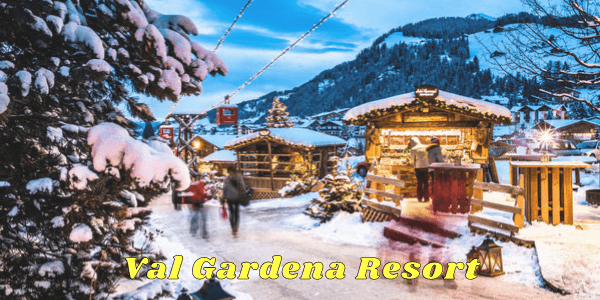
- Val Gardena — Gateway to the Sellaronda circuit with 175 km of linked runs across three interconnected villages: Ortisei, Santa Cristina, and Selva. The Saslong World Cup downhill course runs through here. Excellent value compared to Cortina for almost as much terrain.
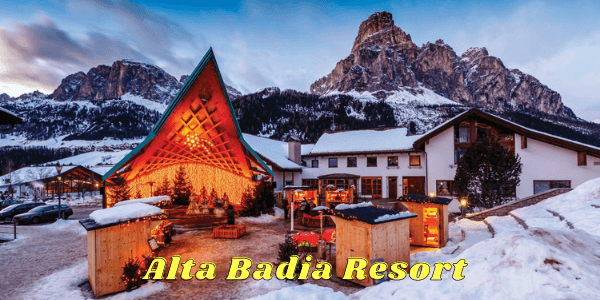
- Alta Badia — Arguably the most beautiful skiing in the Dolomites. 130 km of perfectly groomed blue and red runs, and the famous Gourmet Skisafari trail where mountain restaurants actually earn their reputation.
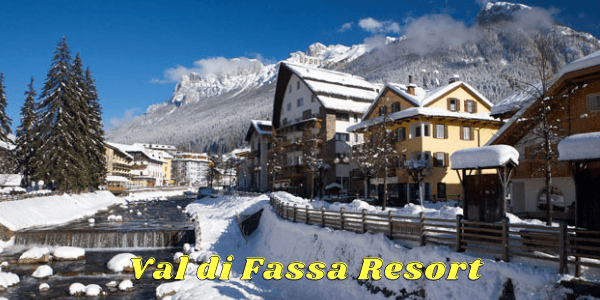
- Val di Fassa — Connected to the Sellaronda at multiple entry points, with 140 km of varied terrain. The Canazei and Campitello lifts offer fast access to the high-altitude Belvedere zone. Meaningfully cheaper than Cortina for a nearly identical experience.
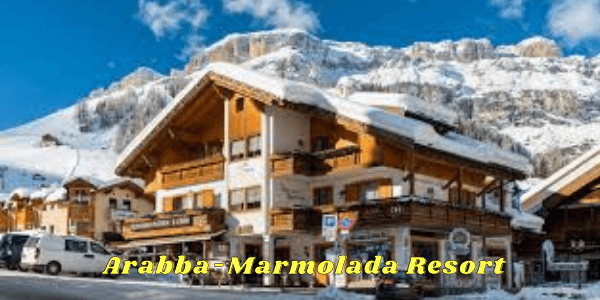
- Arabba-Marmolada — The steepest skiing in the Dolomites. Arabba's short but punishing black runs combined with the Marmolada glacier at 3,342 m create a challenging combo. Intermediates should approach with respect.
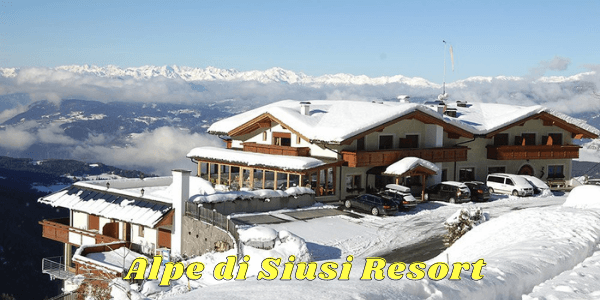
- Alpe di Siusi (Seiser Alm) — Europe's largest high-altitude plateau at 56 km² of skiable terrain. Mostly beginner to intermediate, with stunning views of the Langkofel peaks. A natural choice for families and Nordic enthusiasts alongside the downhill skiing.
Aosta Valley
Italy's northwestern corner presses against the French and Swiss Alps. Resorts here sit higher, get more reliable snowfall, and several share lift systems with neighboring countries. The terrain here rewards adventurous skiers.
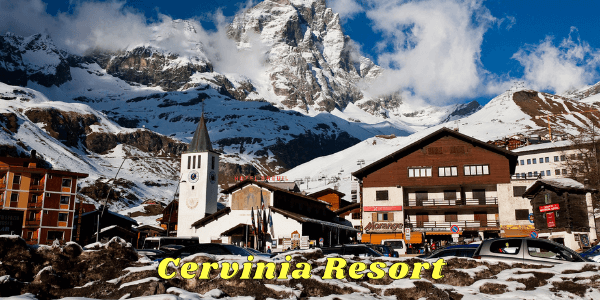
- Cervinia — Sits at the foot of the Matterhorn at 2,050 m base elevation, with lifts connecting to Zermatt in Switzerland. Glacier skiing reaches 3,883 m and runs are possible year-round. Long cruising runs suit intermediates perfectly, though expert terrain is limited compared to Courmayeur.
- Courmayeur — The Italian side of Mont Blanc. 150 km of runs with phenomenal off-piste potential and one of the most acclaimed mountain restaurants in the Alps. Attracts a stylish crowd but justifies it with genuine quality terrain and reliable snow.
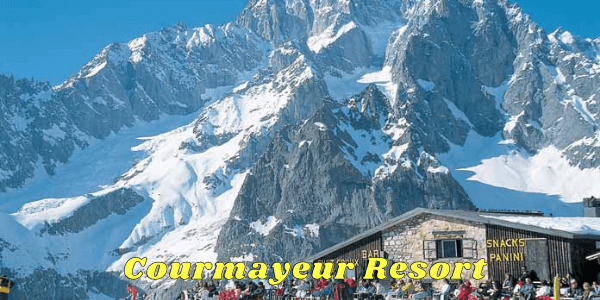
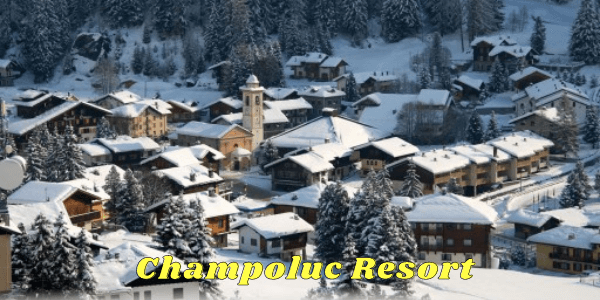
- Champoluc — Part of the Monterosa Ski area with 180 km of combined terrain across three valleys. Less crowded than Cervinia and more affordable, with excellent intermediate runs and underrated off-piste opportunities.
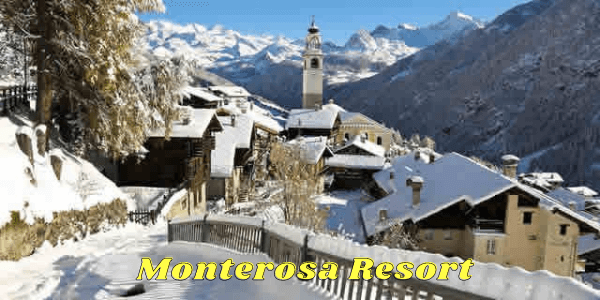
- Monterosa — The full Monterosa Ski area (Champoluc, Gressoney, Alagna) ranks among Italy's largest connected ski zones. Alagna is a dedicated freerider's resort — steep, raw, ungroomed terrain for experienced skiers only.
Piedmont, Lombardy & Trentino
This cluster includes some of Italy's most diverse resorts — from budget-friendly party towns to glacier skiing above 3,000 m. The range in price and character here is wider than anywhere else in the country.
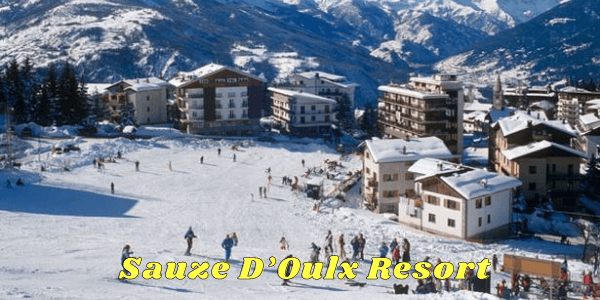
- Sauze D'Oulx — Part of the Via Lattea (Milky Way) circuit with 400 km of runs linked to Sestriere and across the French border to Montgenèvre. Budget-friendly, lively nightlife, and some of the most affordable lift passes in Italy.
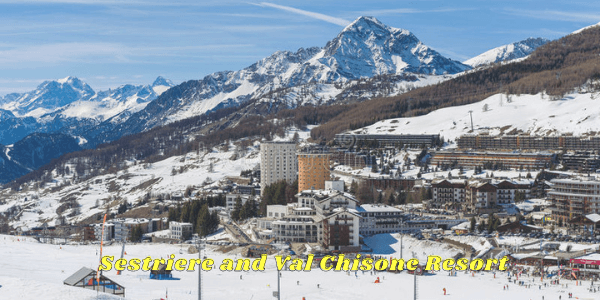
- Sestriere & Val Chisone — Purpose-built at 2,035 m, former host of the 2006 Turin Winter Olympics. Reliable snow, wide open intermediate runs, and direct access to the full Via Lattea circuit. Good for all-mountain skiers who want a high-altitude base.
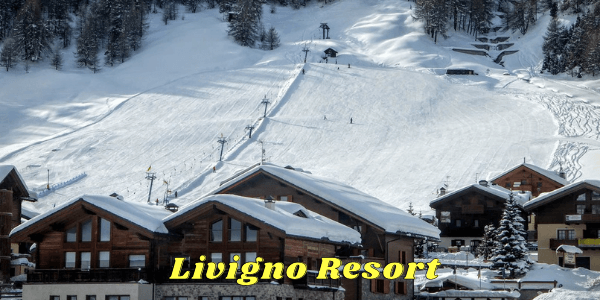
- Livigno — Tax-free resort near the Swiss border with 115 km of runs between 1,800 and 2,800 m. Duty-free fuel, gear, and alcohol make it a budget skier's destination. The upper lifts deliver genuine steeps for advanced skiers while the flat valley floor suits beginners.
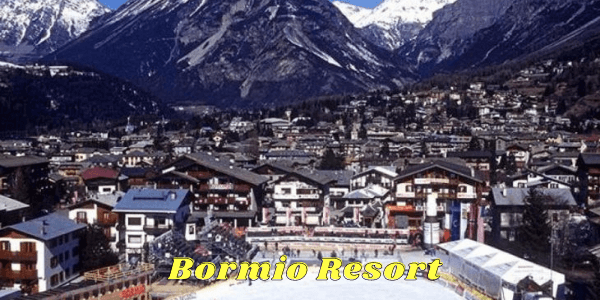
- Bormio — Home of the World Cup downhill "Stelvio" course. Just 50 km of runs, but what runs: 1,800 m of vertical drop from top to bottom. Thermal baths in the medieval village make it an ideal multi-day destination for skiing and recovery.
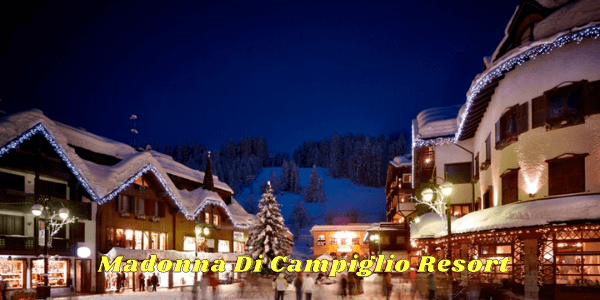
- Madonna di Campiglio — Trentino's most prestigious resort. 60 km of immaculately groomed terrain, a world-class snowpark, and a village that balances upscale with authentic. Best suited to confident intermediates and advanced skiers.
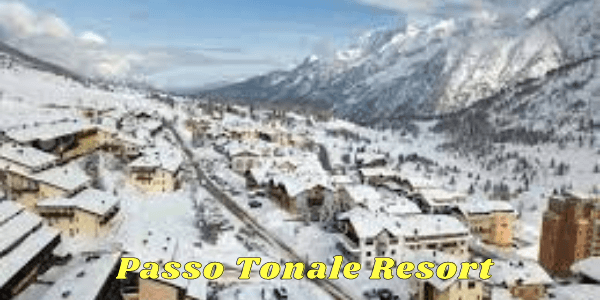
- Passo Tonale — A glacier resort at 1,884 m with skiing available on the Presena glacier well into spring. Consistent beginner terrain, reliable snow from November through April, and significantly lower prices than Madonna di Campiglio just up the road.
Best Time to Ski Italy (And When to Avoid)
Peak Season: January Through February
This is when you should be in Italy's mountains. Snow conditions are at their best, all lifts run full schedules, and the mountain restaurants are fully operational. Mid-January through mid-February is the sweet spot — you get peak snow quality after the Christmas rush subsides and before school holidays drive prices back up.
- Best snow coverage across all 16 resorts
- All lifts and facilities running full daily schedules
- Shorter daylight hours but more stable cold temperatures
- Ideal for high-altitude resorts like Livigno, Cervinia, and Sestriere
Pro tip: Book the last two weeks of January for the best combination of snow quality, manageable crowds, and off-peak pricing — this window consistently outperforms any other period on the Italian ski calendar.
Shoulder Season: December and March
December is hit or miss before Christmas. Lower-altitude resorts like Sauze D'Oulx can have thin coverage early in the month. March is a different story — it's often the best-value month of the entire season.
- Longer days, softer spring snow, and warmer temperatures by late March
- Prices drop 20–30% after school holidays end in early March
- Glacier resorts — Cervinia, Passo Tonale, Marmolada — stay strong well into April
- Avoid Easter week entirely: crowded, expensive, and snow conditions are unreliable
Mistakes That Will Hurt Your Italy Ski Trip
Booking and Planning Mistakes
- Staying in the valley to save money — Road transfers to Italian resorts eat directly into your ski time. Slope-side accommodation at Cortina, Madonna di Campiglio, or Courmayeur is worth the premium when you factor in transfer costs and lost runs.
- Underestimating travel time from major airports — Dolomite resorts require 3+ hours by car from Venice or Verona. Factor a full travel day into your arrival schedule.
- Not pre-buying lift passes online — Italian resorts regularly offer 10–15% discounts for advance online purchases. Walk-up prices are always higher, especially on weekends.
- Choosing a resort on prestige alone — Cortina is iconic but relatively compact for its reputation. Val Gardena gives you more kilometres of skiing for less money.
On-Slope Mistakes
- Skipping the midday break — Italian lunch culture is real on the mountain. Rifugios fill by noon. Eat at 11:30 or after 1:30 to avoid the queue and secure a table.
- Ignoring afternoon snow quality — South-facing Dolomite slopes turn icy fast after midday. Plan your technically demanding runs in the morning while the snow is still firm and predictable.
- Not checking the Sellaronda direction — The circuit alternates direction by day. Check before planning your route or you'll fight the flow for hours.
- Packing the wrong layers — Italian mornings at altitude can hit -10°C while afternoons in the village reach +5°C. Read our guide on what to wear to a ski resort to build the right layering system before you go.
What Skiing in Italy Actually Costs
Lift Pass Pricing
Costs vary significantly by resort and circuit size. The Dolomiti Superski pass is the most significant investment — but it covers 1,200 km of runs across 12 valleys and is worth every euro for a week-long trip.
| Resort / Area | Day Pass (Approx.) | 6-Day Pass (Approx.) | Best For |
|---|---|---|---|
| Dolomiti Superski (full circuit) | €65–75 | €290–330 | Intermediate, advanced |
| Cortina D'Ampezzo (local) | €55–65 | €250–280 | Intermediate, leisure |
| Via Lattea (Sestriere / Sauze D'Oulx) | €45–55 | €210–240 | All levels, budget |
| Cervinia (local + Zermatt link) | €55–70 | €270–310 | Intermediate, glacier |
| Courmayeur | €55–65 | €260–290 | Intermediate, advanced |
| Livigno | €45–55 | €200–230 | All levels, budget |
| Passo Tonale | €40–50 | €185–210 | Beginner, family |
Accommodation and Food Costs
Italy's ski resorts range from genuinely budget-friendly to eye-wateringly expensive. Here's a realistic picture:
- Budget tier: Sauze D'Oulx, Livigno, and Passo Tonale offer 3-star B&Bs from €60–90/night. Self-catering apartments cut costs further and suit groups well.
- Mid-range: Most Dolomite resorts average €120–200/night for a comfortable hotel. Val di Fassa and Alpe di Siusi offer better value than Cortina or Alta Badia for essentially the same mountain access.
- Luxury: Cortina, Courmayeur, and Madonna di Campiglio routinely charge €250–600+/night for ski-in/ski-out properties.
- Mountain lunches run €20–35 per person at a mid-range rifugio. Pack snacks if you're skiing on a tight budget.
- Village dinners average €30–60 per person at a solid trattoria, wine included.
Italy vs. Other Alpine Destinations: Honest Assessment
Why Italy Wins
- Terrain variety — No other country combines the Dolomites circuit, glacier skiing, and steep Aosta Valley freeride within a single destination. The range is genuinely unmatched.
- Food quality — Mountain restaurants in Italy operate at a different standard than their French or Swiss equivalents at the same price point. This isn't marketing; it's consistently measurable.
- Value in the right resorts — Livigno's tax-free status, Sauze D'Oulx's budget pricing, and Passo Tonale's low pass costs make Italy competitive for cost-conscious skiers who know where to look.
- Scenery — The Dolomites UNESCO landscape is unique. The limestone formations, the light at golden hour, and the dramatic verticality aren't replicated anywhere else in the Alps.
For a broader comparison of how Italian resorts stack up against the world's elite destinations, see our guide to the top ski mountaineering destinations in the world.
Where Italy Falls Short
- Snow reliability at lower altitudes — Resorts with a base below 1,500 m can struggle in warm winters. Choose Cervinia, Livigno, or Sestriere if guaranteed snow coverage is your top priority.
- Older lift infrastructure at smaller resorts — A few resorts still run dated chairlifts that French mega-resorts replaced a decade ago. Check resort maps before booking.
- Transfer distances from airports — Getting to Dolomite resorts from Venice or Verona takes 3–4 hours by car. French resorts near Geneva don't demand that kind of travel investment.
- Language barrier in rural areas — Outside major resorts, English proficiency drops noticeably. Learning basic Italian mountain phrases pays dividends at smaller rifugios.
How to Build Your Italy Ski Experience Over Time
Structuring Your Itinerary Across Trips
Italy's resorts reward a multi-trip strategy. Trying to cover everything in one go is a mistake. Here's how experienced Italy skiers approach building their experience:
- Trip 1: Base yourself in Val Gardena and ski the Sellaronda circuit. This single experience justifies Italy over any other Alpine country for most skiers.
- Trip 2: Pair Courmayeur with Cervinia. Two to three days at Courmayeur, then a 90-minute drive to Cervinia. Two completely different mountain characters in one trip.
- Trip 3: Head south — Livigno for tax-free shopping and budget skiing, Bormio for pure vertical and thermal spa recovery in the same week.
- Use the Dolomiti Superski pass for any stay of five or more days in the Dolomites — it covers Cortina, Val Gardena, Alta Badia, Val di Fassa, Arabba, and Alpe di Siusi in a single purchase.
Gear Strategy for Italian Skiing
Italian resort skiing covers wide-ranging conditions — hardpack groomers in the morning, heavy spring snow by afternoon on south-facing slopes, and occasionally wind-blasted ridgelines above 3,000 m. Your gear must handle all of it.
- All-mountain skis in the 80–90 mm underfoot range cover 90% of what Italian resorts demand.
- A quality insulated ski jacket handles both freezing morning starts and warm afternoon cruising — check our reviews of the best men's ski jackets for options built for Alpine conditions.
- Helmet and high-contrast goggles are non-negotiable — UV intensity at Dolomite altitude is serious, and flat-light conditions in cloud regularly catch skiers off guard.
- Heated gloves make a real difference on first-chair lifts when temperatures are coldest — worth the investment for skiers who regularly push early morning runs.
Frequently Asked Questions
What is the best ski resort in Italy for beginners?
Alpe di Siusi and Passo Tonale are the top choices for beginners. Both offer wide, gentle terrain at high altitude with reliable snow, affordable lift passes, and well-developed ski schools. Alpe di Siusi adds stunning Dolomite scenery to the mix, while Passo Tonale offers glacier access for guaranteed coverage from November onward.
When is the best time to visit Italy's ski resorts?
Mid-January through mid-February delivers the best snow conditions across all resorts with manageable crowd levels. Late March offers excellent value — prices drop significantly and spring snow conditions on the groomers are often the most enjoyable of the season, especially at glacier resorts like Cervinia and Passo Tonale.
Which Italian ski resort has the most runs?
The Dolomiti Superski circuit, which includes Val Gardena, Alta Badia, Val di Fassa, Cortina, Arabba, and Alpe di Siusi under one pass, covers over 1,200 km of marked runs across 12 connected valleys. As a single resort, Val Gardena offers 175 km of runs within its own lift network and serves as the main entry point to the full Sellaronda circuit.
How much does a week-long ski trip to Italy cost?
A realistic budget for one person for seven nights including accommodation, a 6-day lift pass, equipment rental, and food ranges from around €900–1,200 at budget resorts like Sauze D'Oulx or Passo Tonale, up to €2,500–4,000+ at premium destinations like Cortina D'Ampezzo or Courmayeur. Booking accommodation and lift passes in advance and targeting mid-January travel consistently brings costs down by 20–30%.
Can you ski in Italy without speaking Italian?
Yes, easily at major resorts. Cortina, Courmayeur, Val Gardena, Livigno, and Madonna di Campiglio all have English-speaking staff across hotels, lift offices, and ski schools. At smaller or more rural resorts, basic Italian phrases for ordering food and asking about trail conditions will serve you well and are genuinely appreciated by locals.
Key Takeaways
- The best ski resorts in Italy fall into three distinct zones — the Dolomites, the Aosta Valley, and the Piedmont/Lombardy/Trentino cluster — each offering different terrain profiles, price points, and ideal skier types.
- Mid-January through mid-February is the optimal window for snow quality and crowd levels; late March delivers the best value for budget-conscious skiers willing to accept spring conditions.
- Val Gardena and the Dolomiti Superski pass represent the single best-value proposition in Italian skiing — 1,200 km of connected runs under one lift ticket at competitive prices compared to Cortina or Courmayeur.
- Avoiding common mistakes — valley accommodation, walk-up lift pass prices, and ignoring afternoon snow quality on south-facing slopes — separates a frustrating Italian ski trip from an exceptional one.
 |
 |
 |
 |

About Frank V. Persall
Frank Persall is a lifelong skier originally from the United Kingdom who has spent years pursuing the sport across premier resorts in Europe, North America, and beyond. His passion for skiing has taken him from the Alps to the Rocky Mountains, giving him a broad perspective on resort terrain, snow conditions, gear performance across price points, and the practical realities of ski travel with a family. At SnowGaper, he covers ski resort guides, gear reviews, and skiing technique and travel resources for enthusiasts of every level.
You can get FREE Gifts. Or latest free skiing books here.
Disable Ad block to reveal all the info. Once done, hit a button below
|
|
|
|