When Is the Best Time to Ski in Australia? Weather and Price Explained
by Frank V. Persall
Australia's ski resorts collectively draw over 1.5 million visitors every winter season, yet the vast majority show up during the exact same four-week window and pay top dollar for it. Finding the best time to ski in Australia comes down to two factors — when snow conditions peak and when prices drop — and those two windows don't always line up the way you'd expect. Get the timing right, and you'll ski well-groomed runs with thinner crowds for significantly less money. Get it wrong, and you're battling school holiday gridlock on icy slopes. This guide breaks it all down so you can make a smart decision before you book. If you want to scope out the options first, browsing our full list of ski resorts is a good starting point.

The Australian ski season runs from roughly early June through early October across New South Wales and Victoria. That's the entire window. Resorts like Thredbo, Perisher, Falls Creek, Mount Hotham, and Mount Buller all follow the Southern Hemisphere calendar — flipping the Northern Hemisphere skiing experience by six months. If you're used to hitting the slopes in December through March, this takes some mental recalibration. The upside is that you can ski twice in a single calendar year without ever leaving Earth's atmosphere.
Australian ski terrain is distinctly different from alpine skiing in Europe or North America. Most Australian ski areas top out between 1,200 and 2,200 metres — considerably lower than the Alps. That elevation ceiling makes natural snowfall less predictable than you might assume. Every major resort invests heavily in snowmaking to keep runs open through the season. According to the Australian Bureau of Meteorology, snowfall across the Australian Alps varies dramatically year to year, reinforcing why timing — not just showing up in winter — matters so much here.
Contents
- Peak Season vs. Shoulder Season: What the Australian Ski Calendar Really Offers
- Australia's Top Ski Resorts and When They Shine
- Timing Mistakes That Cost Australian Skiers Big
- How to Plan and Book Your Australian Ski Trip for Best Value
- Insider Strategies to Stretch Your Budget and Maximize Snow Time
- Frequently Asked Questions
- Final Thoughts
Peak Season vs. Shoulder Season: What the Australian Ski Calendar Really Offers
The Australian ski season doesn't operate on a neat bell curve. You have a distinct peak, a soft opening, and a closing stretch that each offer something different. Understanding which phase fits your priorities determines whether you walk away satisfied or frustrated.
Why July Dominates the Booking Charts
July is the undisputed peak of the Australian ski season. Snowfall historically concentrates in mid-July through early August, temperatures are reliably cold enough to support both natural and machine-made snow, and the school holidays in New South Wales and Victoria drive demand to its highest point. If you're chasing the best snow depth, July is your window. But peak snow and peak prices arrive together, and accommodation at resorts like Thredbo and Falls Creek can cost two to three times more than it does in June. Lift tickets also carry weekend surcharges that add up fast, particularly if you're traveling with a family.
Compare this to the typical USA ski season, where the peak window stretches across four months — Australia compresses that intensity into roughly eight weeks. Everything moves faster here, which means good snow disappears and prices drop within the same short span.
Pro tip: If you must ski in July, aim for the last week of the month — school holidays wrap up, crowds thin out, and snowpack is usually at its fullest.
The Case for June and September
June and September represent the true shoulder season, and both have distinct advantages. June offers lower prices and a quieter mountain, but you're gambling on snowpack. The season officially opens in early to mid-June, but coverage is often patchy in the first two weeks. If early snowfall has been strong, June can deliver exceptional skiing at dramatically reduced rates. September, on the other hand, comes with more reliable coverage from accumulated snow, fewer crowds than July or August, and noticeably cheaper accommodation. The risk in September is warming temperatures — some lower-elevation runs start to deteriorate as the month progresses.
Australia's Top Ski Resorts and When They Shine
Australia's ski areas aren't all created equal when it comes to timing. Each resort has a different elevation profile, snowmaking capacity, and peak demand window. Knowing which resort matches your preferred travel dates makes a real difference to your experience.
New South Wales: Thredbo and Perisher
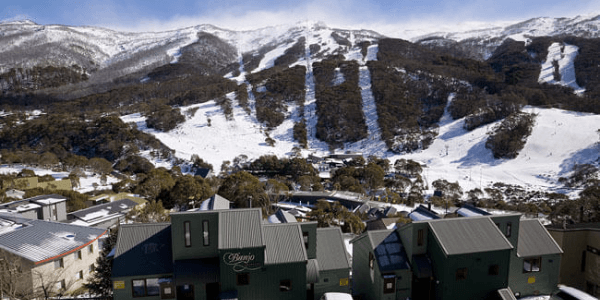
Thredbo sits at the highest skiable elevation in Australia, which gives it a slight edge in natural snow accumulation. Its longest run — Crackenback — stretches nearly 5.9 kilometres, making it genuinely impressive by Australian standards. The sweet spot for Thredbo is the last two weeks of July and the first week of August: snowpack is typically deepest, all lifts are running, and the grooming team has had weeks to optimize the mountain. Thredbo also tends to hold snow well into September on its upper slopes, which gives late-season skiers real options.
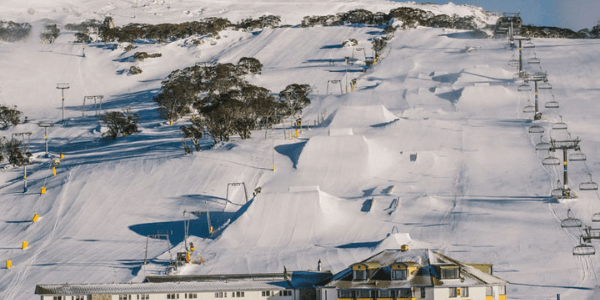
Perisher is the largest ski resort in the Southern Hemisphere by skiable area, covering over 1,245 hectares across four interconnected resort areas. That scale means Perisher rarely feels completely skied out, even during peak weeks. The resort benefits from heavy snowmaking investment, so it tends to open more terrain earlier in June than most of its competitors. If you're planning a ski vacation with mixed ability levels, Perisher's sheer variety of terrain makes it a particularly smart choice.
Victoria: Falls Creek, Mount Hotham, and Mount Buller
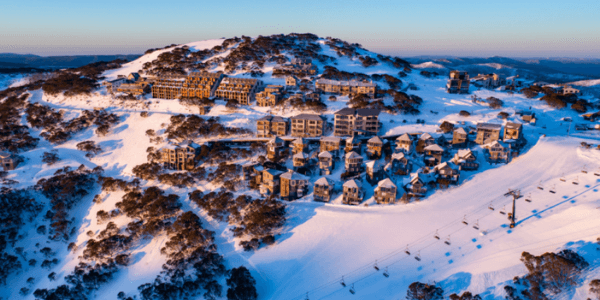
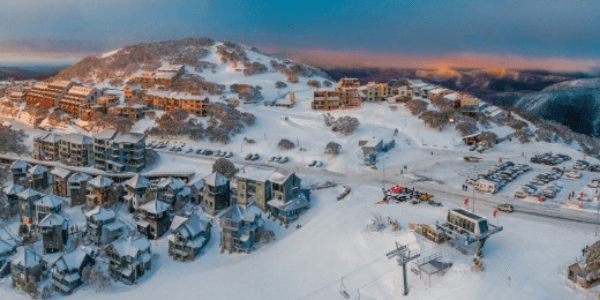
Falls Creek is one of Victoria's most consistent performers. Its village sits on the snow — meaning no bus transfers once you arrive — which makes the overall experience unusually smooth. Peak conditions typically arrive in late July. Mount Hotham earns its reputation as the "powder capital of Australia," sitting high enough to catch storm systems before they dissipate. August can be exceptional at Hotham when cold fronts push in from the Southern Ocean. Mount Buller, the closest major resort to Melbourne, benefits enormously from its proximity — driving time from the CBD is under three hours — which keeps it busy on weekends throughout the season.
| Resort | Best Month(s) | Peak Elevation (m) | Snowmaking Coverage | Relative Price (Peak Week) |
|---|---|---|---|---|
| Thredbo (NSW) | Late July – Aug | 2,037 | High | $$$ |
| Perisher (NSW) | July – Aug | 2,034 | Very High | $$$ |
| Falls Creek (VIC) | Late July – Aug | 1,840 | High | $$ |
| Mount Hotham (VIC) | July – Aug | 1,861 | High | $$ |
| Mount Buller (VIC) | July | 1,804 | High | $$ |
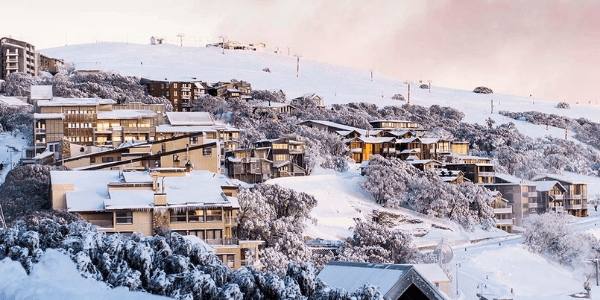
Timing Mistakes That Cost Australian Skiers Big
Experience watching other skiers plan Australian ski trips reveals the same errors over and over. These aren't obscure pitfalls — they're common miscalculations that hit your wallet and your enjoyment simultaneously.
Booking School Holiday Weeks Without Checking the Dates
School holiday schedules in New South Wales and Victoria drive resort demand more than any other single factor. The winter school holiday period — typically two weeks in July — coincides with peak snowfall and turns every resort into a sold-out, lift-queue nightmare. Accommodation prices during school holidays can be 40–60% higher than the week immediately before or after. The specific holiday dates shift slightly each year, so checking the relevant state education department calendars before you book is non-negotiable. Even a three-day offset from the school break can save hundreds of dollars on accommodation alone.
Warning: Never book Australian ski accommodation in July without first confirming the state school holiday dates — arriving one day into the peak period can double your costs overnight.
Underestimating Early Season Conditions
A lot of skiers assume that once a resort opens in June, it's ready for full operation. That's rarely true. Early June often means limited terrain, patchy coverage on lower runs, and lifts operating on reduced schedules. Understanding how warm temperatures affect skiing is critical here — when daytime temperatures push above 5°C in June, fresh snowmaking efforts melt faster than crews can replace them. If you're set on early June, target resorts with strong snowmaking infrastructure at higher elevations, and set realistic expectations about the terrain you'll access.
How to Plan and Book Your Australian Ski Trip for Best Value
Timing your trip correctly is only half the equation. How you execute the booking process determines whether you lock in good value or scramble for overpriced options. Follow these steps in order.
Lock In Accommodation First
At every popular Australian resort, accommodation books out months in advance for the July peak window. Start with accommodation, not lift tickets. On-snow lodging at resorts like Falls Creek and Thredbo fills up earlier than most people anticipate — sometimes by April. Staying in nearby towns like Cooma (for Thredbo and Perisher) or Bright (for Falls Creek and Hotham) offers significantly cheaper rates, but factor in daily drive times on mountain roads that can be icy and require snow chains.
Choose Your Pass Wisely
Understanding what a ski pass actually covers before you pay is essential. Australian resorts offer single-day tickets, multi-day passes, and season passes at different price points depending on when you purchase. Season passes purchased before June often represent the best value if you plan to ski more than seven days across the season. Multi-resort passes covering both New South Wales and Victorian resorts also exist and make sense if you intend to sample more than one mountain. Always compare what's included — some passes exclude peak weekend days or specific lifts.
Pro insight: Pre-season pass discounts close weeks before opening day — set a reminder in April so you don't miss the window and end up paying rack rate.
Monitor Snow Reports Before You Go
Every major Australian resort publishes daily snow depth reports on their websites, and independent services track rolling averages. Check reports two to three weeks before your trip, not just two days before. A resort that's been reporting 80–100cm base depth consistently through July is a safer bet than one with fluctuating numbers. If a warm spell dropped base depth significantly in the week before your arrival, lower-elevation runs may be compromised regardless of what the calendar says about "peak season."
Insider Strategies to Stretch Your Budget and Maximize Snow Time
Once you've nailed the timing and the booking mechanics, a few tactical moves can meaningfully improve your trip without adding cost.
Midweek Skiing Makes a Real Difference
The difference between a Tuesday at Perisher and a Saturday at Perisher is staggering. Midweek lift queues are often non-existent, even during the peak July window. If your schedule allows any flexibility — especially if you're coming from interstate — building your ski days around Tuesday through Thursday cuts wait times dramatically and often comes with cheaper lift ticket pricing at the window. The mountain is the same; the experience is fundamentally different.
For those who want to explore what Australia's ski scene has to offer across multiple mountains, a resource like our guide to top alpine ski destinations worldwide puts the Australian experience in useful global perspective. And if you're brand new to the sport, brushing up on beginner skiing tips before you hit the slopes will make your first days on Australian snow considerably more enjoyable.
Gear and Clothing Prep Before You Arrive
Resort rental shops at Australian ski areas are convenient but expensive, and availability tightens significantly during peak weeks. If you're a regular skier, bringing your own boots, helmet, and gloves is worth the checked baggage fee. If you need to rent skis or a board, book rental equipment online before you travel — most resorts offer pre-booking discounts of 10–20% over walk-in rates. Layering is particularly important in Australian conditions, where morning temperatures can be well below zero while afternoon sun makes the snow soft and temperatures climb sharply.
Frequently Asked Questions
What month has the best snow in Australia?
Late July through early August consistently delivers the deepest snowpack across Australian ski resorts. This window aligns with the coldest temperatures of the Southern Hemisphere winter and the highest historical snowfall totals. Resorts like Mount Hotham and Thredbo typically report their maximum base depths during this period.
Is June too early to ski in Australia?
June is not too early, but it requires careful resort and date selection. Early June often means limited terrain and patchy coverage. The final two weeks of June tend to offer more reliable conditions as snowmaking crews build up the base and natural snowfall accumulates. Check daily snow reports and target higher-elevation resorts if you're committed to early season skiing.
Which Australian ski resort is best for beginners?
Perisher and Mount Buller both offer strong beginner programs with dedicated learning areas separate from the main runs. Perisher's scale means beginners have plenty of gentle terrain to develop confidence without competing for space with advanced skiers. Both resorts have well-regarded ski schools with structured lesson programs for first-timers.
How do Australian ski prices compare to peak season in Europe?
Australian ski resorts are generally more expensive per day than mid-range European destinations, largely due to the shorter season and high infrastructure costs. A single-day lift ticket at a major Australian resort during peak season is comparable in price to a day at a popular French or Swiss resort. Shoulder season pricing brings costs closer to budget-friendly European options.
Final Thoughts
The best time to ski in Australia is the last week of July through early August if you want the best snow — or the weeks flanking school holidays if you want the best value. Now that you have the full picture, pick your target window, check resort snow reports from April onward, and lock in accommodation before the school holiday rush consumes available inventory. Head to our ski resorts guide to start comparing your options and build an itinerary that actually delivers on the mountain.
 |
 |
 |
 |

About Frank V. Persall
Frank Persall is a lifelong skier originally from the United Kingdom who has spent years pursuing the sport across premier resorts in Europe, North America, and beyond. His passion for skiing has taken him from the Alps to the Rocky Mountains, giving him a broad perspective on resort terrain, snow conditions, gear performance across price points, and the practical realities of ski travel with a family. At SnowGaper, he covers ski resort guides, gear reviews, and skiing technique and travel resources for enthusiasts of every level.
You can get FREE Gifts. Or latest free skiing books here.
Disable Ad block to reveal all the info. Once done, hit a button below
|
|
|
|