If you're trying to figure out how to ski in the rain, here's the direct answer: yes, you can do it, and with the right preparation it can still be a worthwhile day on the mountain. Rain changes the conditions — snow gets heavy, visibility drops, and staying warm takes real effort — but none of that is a dealbreaker if you show up ready. The skiers who handle wet days best aren't necessarily the most experienced; they're just the most prepared. If you're newer to the sport, start with our full guide to skiing to build your foundation before you tackle variable weather.
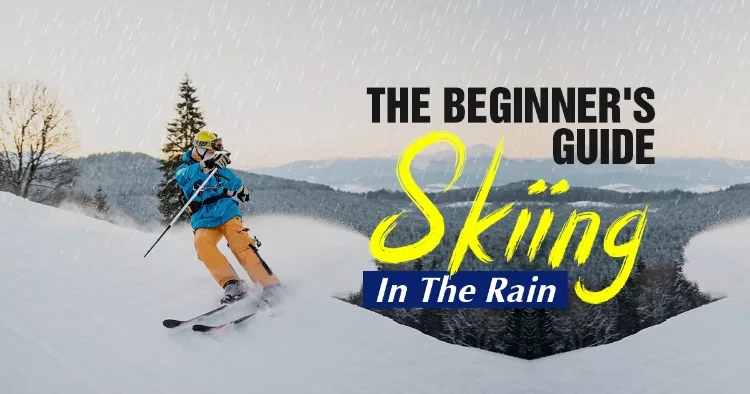
Rain on the mountain is more common than most people plan for, especially in spring when temperatures climb and the snowpack shifts. Lower elevation runs often get hit first, turning firm morning groomers into thick afternoon slush. The skiers who keep going — carefully — are the ones who packed the right gear and adjusted their expectations before the lifts even opened.
This guide covers exactly what you need: what rain does to snow, how your skill level affects the decision, what gear you need, how to adjust your technique, and when it's genuinely smart to call it a day and head inside.
Contents
- What Rain Actually Does to the Mountain
- Beginners vs. Experienced Skiers on a Rain Day
- The Right Gear for Wet-Weather Skiing
- How to Stay Safe When You Ski in the Rain
- Simple Adjustments That Immediately Improve Your Rain Day
- Technique Adjustments That Make a Real Difference
- Frequently Asked Questions
- Key Takeaways
What Rain Actually Does to the Mountain
How Rain Changes Snow Conditions
Rain transforms snow in predictable ways, and knowing those changes helps you ski smarter. When rain hits the surface, the top layer absorbs water and gets dense. What was firm, grippy snow in the morning becomes thick, wet slush by midday. Slush is slower — your skis drag instead of glide — but it's also more forgiving. You can drive your edges into it aggressively without as much risk of catching a tip.
The bigger concern is what happens underneath. Sustained rainfall saturates the snowpack deeper down, weakening it and creating unstable pockets in some spots. Here's a quick breakdown of what changes when rain arrives:
- Snow surface becomes heavier and significantly slower
- Visibility drops, especially in overcast flat-light conditions
- Ice forms quickly if temperatures fall at the end of the day
- Groomers lose their edge-holding texture faster
- Moguls round out and become easier to navigate — one genuine upside
When Rain Is Worth Skiing In
Rain at the base doesn't always mean rain at the summit. Mountain weather is layered, and a warm front dumping rain at the lodge can drop fresh snow at higher elevations. Always check the snow report for summit conditions before you give up on the day. A few inches of new snow above 7,000 feet while it drizzles at the lodge is actually a setup — the crowds pack up and you get the fresh runs to yourself.
Light mist or drizzle is also very different from a sustained downpour. A gray, overcast day with temperatures just above freezing is completely manageable with proper gear. Heavy rain with lightning nearby is a different story — that's a lodge day, no question.
Beginners vs. Experienced Skiers on a Rain Day
If You're New to Skiing
As a beginner, wet conditions add a layer of difficulty you don't need when you're still working on fundamentals. Heavy slush is harder to control. Flat light makes it nearly impossible to read terrain. Cold and wet together drain your energy faster, which leads to sloppy form — and that's exactly when ski injuries are most likely to happen.
That doesn't mean beginners should automatically skip a rain day. It means you need to be smart about it:
- Stick to easier green runs where the terrain is wide and forgiving
- Take breaks every 45 minutes to warm up and stay sharp
- Shorten your session compared to a typical dry day
- Avoid runs that funnel water runoff across the trail
If it's your first or second season, a heavy rain day might be better used to visit the shop, get your boot fit dialed in, and read up on how to choose the right ski length. Save the slopes for a day when conditions let you actually practice and improve.
If You're Intermediate or Advanced
Experienced skiers actually benefit from rain days in ways beginners can't. The slopes thin out fast when weather turns. Lift lines disappear, runs open up, and you get conditions that genuinely test your skill. Wet snow rewards committed, clean turns and exposes sloppy technique immediately, making rain days one of the better feedback tools available on the mountain.
That said, even advanced skiers need to respect the conditions. Wet snow increases stopping distance, icy patches hide under slush, and flat light catches good skiers off guard. Drop your speed from your normal pace and pick your lines carefully.
The Right Gear for Wet-Weather Skiing
Waterproof Outerwear That Actually Works
This is where most skiers go wrong on a rain day. There's a real difference between water-resistant and waterproof. A water-resistant jacket handles light snow fine, but in steady rain, it soaks through within an hour. You need fully waterproof outerwear with sealed seams — look for a waterproof rating of at least 10,000mm on both the jacket and pants. Anything below that and you'll feel the wet long before lunch.
Layer smart underneath that shell:
- Base layer: Moisture-wicking synthetic or merino wool — no cotton, ever
- Mid layer: Fleece or an insulated vest for core warmth
- Outer shell: Waterproof hardshell with a helmet-compatible hood
If you've ever thought about skiing in jeans — don't. On a dry day it's already a bad idea. In the rain it becomes a hypothermia risk. Our post on whether you can ski in jeans explains exactly why wet denim is one of the worst things you can wear on the mountain.
Goggles, Gloves, and the Details That Matter
Goggles are non-negotiable in wet weather. Rain plus wind equals zero visibility without proper eye protection. Choose goggles with a low-light or all-condition lens — rose, amber, or clear tint — since rain almost always means overcast skies. Anti-fog coating is critical too, because temperature differences between your face and the cold air cause fogging fast when moisture is involved.
Waterproof gloves with a gauntlet cuff (the style that fits over your jacket sleeve) are essential. Water running down your jacket sleeve into a regular glove ruins your day within the first run. Carry a spare pair in your backpack or locker — it's a simple habit that completely changes a rain day. When you're back inside, check out our guide on how to dry ski gloves properly so they're ready for your next run.
| Gear Item | Minimum Standard for Rain | What to Avoid |
|---|---|---|
| Jacket | 10,000mm+ waterproof rating, sealed seams, hood | Water-resistant only, no hood |
| Pants | 10,000mm+ waterproof, reinforced cuffs | Softshell, cotton, denim |
| Base Layer | Merino wool or synthetic moisture-wick | Cotton in any form |
| Gloves | Waterproof shell, gauntlet cuff, insulated | Knit or thin leather gloves |
| Goggles | Low-light lens, anti-fog coating | Sunglasses, uncoated fashion goggles |
| Helmet | Fits over goggle strap, moisture-wicking liner | Uncovered foam liner exposed to rain |
How to Stay Safe When You Ski in the Rain
Adjusting Your Speed and Technique
Wet snow is slower, but it's unpredictable at higher speeds. Heavy slush can grab your ski tip and pitch you forward. Icy patches hiding just under the surface can send you sideways without warning. The safest adjustment is to reduce your speed by roughly 20–30% compared to what you'd ski in the same terrain on a dry day.
Shorter, more deliberate turns keep you centered and in control. Don't lean back — keep your weight balanced and slightly forward so your tips stay engaged with the snow surface. If you feel uncertain about handling a fall in tricky conditions, refresh yourself on how to fall on skis without hurting yourself before heading out on a wet day. Knowing how to go down safely makes a real difference when conditions catch you off guard.
Watching Out for Hypothermia
Cold and wet is a genuinely dangerous combination. Hypothermia — a dangerous drop in your core body temperature — can develop faster than most people realize when you're wet and exposed to wind. Early warning signs include persistent shivering, foggy thinking, and clumsy movements. If you notice any of these in yourself or someone you're skiing with, get inside immediately and get warm.
If you're shivering hard and can't warm up after a few minutes inside, stop skiing for the day — hypothermia escalates quickly once your core temperature drops, and no run is worth that risk.
Prevention is straightforward: stay dry from the outside using waterproof layers, change out of wet gloves and base layers at your midday break, and drink something hot before heading back out. A 15-minute warm-up inside resets your core temperature and keeps your afternoon session safer and more enjoyable.
Simple Adjustments That Immediately Improve Your Rain Day
Choosing the Right Runs
Not all runs handle rain the same way. Groomed blue runs tend to hold up best because their compacted surface doesn't absorb water as fast as looser snow. South-facing runs soften and slush up faster in warm rain. North-facing and higher-altitude runs often stay firmer and more skiable for longer into the day.
Avoid runs that cross natural drainage paths. Water collects in those low points and creates icy channels or deep slush pockets mid-run. Stick to main groomed arteries early while conditions are still manageable, then evaluate whether you want to venture onto more variable terrain later.
Breaks, Warmth, and Staying Dry
On a good dry day, you might push through two hours between breaks. On a rain day, cut that to 45–60 minutes. Your body loses heat faster in wet conditions, and fatigue builds quicker than you realize — which is exactly when mistakes happen. Regular warm-up breaks aren't optional; they're how you ski better and safer through the afternoon.
- Keep a dry change of gloves and base layer in your locker or car
- Pack a small thermos of hot coffee or tea in your bag
- Remove your boots during the lunch break so your feet breathe and dry out
- Use the lodge boot dryer if the resort has one available
Technique Adjustments That Make a Real Difference
Edge Control in Slushy Snow
Slushy snow requires a more deliberate edge set than firm packed snow. Your edges need to engage fully at the start of each turn, or the ski will skid sideways instead of carving cleanly. Focus on driving your knees into the hill and committing to the turn from the beginning. Half-hearted edge sets in slush lead to wipeouts.
If your skis feel sluggier than expected, check your base. Wet snow sticks to an unwaxed base and creates drag. A fresh coat of all-temp glide wax before a rain day makes a noticeable difference in how your skis run and respond through turns.
Reading the Mountain in Flat Light
Rain almost always brings flat light — that gray, shadowless sky that flattens terrain and makes it nearly impossible to see bumps, dips, and icy patches before you're on them. This is where knowing your runs ahead of time pays off. Study the trail map before you go out, not while you're on the hill mid-run.
Slow down more than feels necessary, especially on unfamiliar runs. Watch other skiers ahead of you — their body movements reveal terrain changes that you can't see from a distance. Flat-light days are not the days to push speed limits.
Frequently Asked Questions
Is it safe to ski in the rain?
Yes, in most cases — with the right gear and adjusted expectations. Light to moderate rain is manageable if you wear fully waterproof outerwear, reduce your speed, and take regular breaks to stay warm. Heavy sustained rainfall, lightning, or rapidly deteriorating visibility are signals to get off the mountain.
Does rain ruin snow conditions for skiing?
Rain changes conditions significantly but rarely makes the entire mountain unskiable. It makes snow heavier and slower, reduces visibility, and can create icy patches as temperatures drop in the afternoon. Higher-elevation runs typically stay better than lower slopes during a rain event.
What should I wear to ski in the rain?
Wear a fully waterproof jacket and pants rated at 10,000mm or higher, waterproof gloves with gauntlet cuffs, low-light goggles with anti-fog coating, and moisture-wicking base layers in merino wool or synthetic fabric. Avoid cotton at every layer — it retains moisture and accelerates heat loss.
Can skiing in the rain cause hypothermia?
It can, especially if your outer layers become saturated and temperatures are low. Wet clothing pulls heat away from your body significantly faster than dry clothing. Watch for persistent shivering, confusion, or loss of coordination, and get inside immediately if those signs appear.
Should beginners skip skiing on rainy days?
Beginners can ski in light rain with caution — stick to easy runs, take more frequent breaks, and cut the session shorter than usual. Heavy rain with poor visibility is genuinely harder to manage when you're still learning, and a rest day in those conditions is a smart call.
How does skiing in the rain differ from skiing in regular snow?
Rain produces heavier, wetter snow that's slower and less predictable than groomed powder or packed conditions. Stopping distance increases, visibility drops, and staying warm requires more deliberate effort. The core technique stays the same, but every challenge is amplified — so your preparation needs to be too.
Key Takeaways
- Knowing how to ski in the rain starts with gear — fully waterproof outerwear with sealed seams and a 10,000mm+ rating is the single most important thing you can bring to a wet day on the mountain.
- Rain turns snow heavy and slow, which rewards committed edge control and punishes sloppy technique, so reduce your speed and make deliberate turns from start to finish.
- Beginners should stick to easy terrain and shorter sessions in wet conditions, while intermediate and advanced skiers can use rain days to develop skill and enjoy thinner crowds.
- Watch for hypothermia, take breaks every 45–60 minutes, and carry dry gloves and a spare base layer so you stay warm and safe through the full day.
 |
 |
 |
 |

About Frank V. Persall
Frank Persall is a lifelong skier originally from the United Kingdom who has spent years pursuing the sport across premier resorts in Europe, North America, and beyond. His passion for skiing has taken him from the Alps to the Rocky Mountains, giving him a broad perspective on resort terrain, snow conditions, gear performance across price points, and the practical realities of ski travel with a family. At SnowGaper, he covers ski resort guides, gear reviews, and skiing technique and travel resources for enthusiasts of every level.
You can get FREE Gifts. Or latest free skiing books here.
Disable Ad block to reveal all the info. Once done, hit a button below
|
|
|
|